Leave Your Message

China Top Large Building Signs Manufacturers?

Choosing China’s top large building signs manufacturers requires more than comparing attractive factory photos. It demands practical knowledge of materials, engineering, lighting, installation, and long-term maintenance. Large Building Signs must remain visible across changing weather, traffic noise, and busy commercial surroundings. A reliable manufacturer should explain each decision clearly.

This guide explores suppliers that produce facade letters, rooftop logos, monument signs, digital displays, and illuminated business identities. It considers aluminum, stainless steel, acrylic, channel letters, paint systems, LED modules, and waterproof construction. It also examines production experience, quality controls, design support, packaging, and export communication. Factory capabilities matter. So does evidence.

Look for manufacturers that provide drawings, material samples, lighting tests, and installation instructions before production. Ask how they control color consistency, weld quality, electrical safety, and drainage. Request project photographs with identifiable details, not only polished showroom images. Certifications can support trust, but they should match the actual product and market requirements.

No supplier is perfect.

A low quotation may exclude structural calculations, spare LEDs, or future service. A famous portfolio may hide weak communication after payment. This comparison therefore focuses on verifiable experience and realistic project fit, rather than exaggerated rankings. Readers should still confirm local building codes, wind loads, permits, and electrical requirements with qualified professionals. The best choice balances design impact, engineering confidence, transparent pricing, and dependable support throughout the sign’s working life.
China Top Large Building Signs Manufacturers?

Types of Large Building Signs Manufactured in China

China’s large building sign manufacturers produce several distinct formats for commercial towers, hotels, hospitals, and transport facilities. Channel-letter signs use aluminum or stainless-steel bodies with acrylic faces and internal LEDs. They suit entrance walls and rooftop identities. Cabinet signs provide deeper dimensions and stronger night visibility. Some factories add returns, halo lighting, or painted metal edges for a more architectural finish.

Large LED displays serve façades, atriums, and public information zones. Grand View Research reported that the global digital signage market reached about USD 27.1 billion in 2023, with continued growth expected through 2030. This supports demand for weather-resistant LED cabinets, front-service modules, and remote monitoring systems. China-based production commonly includes pixel testing, brightness calibration, waterproof sealing, and aluminum frame assembly. Small details matter. Uneven brightness is immediately visible on a tall façade.

Other manufactured types include illuminated logos, monument signs, pylon signs, projection letters, and flexible mesh displays. Pylon structures need engineered steel frames, anchor plans, and wind-load calculations. Illuminated letters need careful cable routing and heat control. The International Sign Association’s industry research also shows that signage influences business visibility and customer recognition, although results vary by location and design quality. A larger sign is not always better. Poor spacing can make a building look crowded. I have seen impressive samples lose impact after careless installation planning. Buyers should request material specifications, lighting tests, structural drawings, and inspection records before approving production.
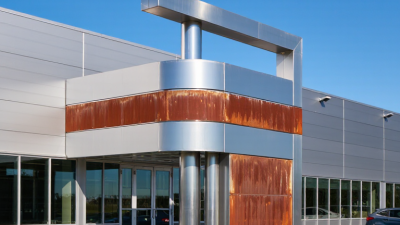

Key Capabilities of China’s Leading Building Sign Manufacturers

China Top Large Building Signs Manufacturers?

Leading Chinese building sign manufacturers combine design knowledge, engineering control, and practical production experience. They usually begin with drawings, site dimensions, viewing distance, and local climate data. This prevents attractive concepts from failing during installation.

Their capabilities often include aluminum fabrication, stainless steel work, acrylic forming, LED integration, and precision coating. Experienced teams check material thickness, weld quality, color consistency, and electrical access before production. They can also prepare shop drawings, structural details, installation guides, and sample approvals. These documents help architects, contractors, and property owners coordinate with fewer surprises.

Large projects require more than a large workshop. Manufacturers need project managers who track revisions, packaging, shipping schedules, and on-site requirements. Factory inspections and lighting tests can reveal uneven brightness or small surface defects. These issues are easy to miss in digital renders. No factory gets every detail right. Strong suppliers admit this and correct problems before delivery. However, buyers should still verify certificates, production photos, material samples, and previous project evidence. Clear communication matters too. A capable manufacturer asks difficult questions about wind loads, maintenance access, and nighttime visibility. That practical caution often separates reliable building sign production from simple fabrication.

Materials, Technologies, and Customization Options

Large building signs from China are often made from aluminum, stainless steel, acrylic, or mixed metal panels. Each material suits a different site condition. Aluminum reduces structural weight, while stainless steel offers a stronger premium appearance. Acrylic creates clean illuminated faces but may require careful protection during transport.

Modern manufacturers use CNC routing, laser cutting, vacuum forming, and robotic welding. LED modules can provide even lighting across deep channel letters. Check the power supply, heat management, and waterproof rating before approval. A bright sample does not guarantee stable outdoor performance. Ask for night photographs, wiring diagrams, and aging-test records.

Customization usually covers letter depth, surface finish, color matching, logo proportions, mounting frames, and illumination styles. Options may include front-lit, halo-lit, edge-lit, or non-illuminated lettering. For tall facades, engineers should review wind load, anchor placement, lifting access, and maintenance space. A detailed shop drawing prevents expensive changes later. It should show dimensions, materials, cable routes, and fixing points.

In practical sourcing, factory capability matters as much as appearance. Review material certificates, welding quality, coating thickness, and packaging methods. A site audit can reveal weak inspection habits that photos hide. I have found that small errors, such as uneven letter spacing, become obvious from street level. That detail is easy to underestimate. Suppliers should also provide installation guidance and replacement plans for damaged LED components.

China Top Large Building Signs Manufacturers? – Materials, Technologies, and Customization Options

Material selection strongly affects the weight, durability, corrosion resistance, and visual finish of large building signs. The chart compares commonly used sign materials by typical density. Aluminum is lightweight and corrosion-resistant, stainless steel provides a premium and durable finish, while acrylic and polycarbonate are suitable for illuminated lettering and translucent panels. Available customization options include CNC cutting, laser cutting, bending, powder coating, anodizing, brushed finishes, LED illumination, 3D lettering, and custom colors.

Quality Standards, Certifications, and Production Processes

China Top Large Building Signs Manufacturers: Quality Standards, Certifications, and Production Processes
Large building signs require more than attractive design. They must withstand wind, rain, sunlight, and daily temperature changes. Experienced manufacturers usually control material thickness, welding quality, coating adhesion, and LED performance. A reliable factory should provide inspection records for aluminum, stainless steel, acrylic, and electrical parts. Small details matter. Uneven edges can expose weak workmanship.
Quality systems often follow ISO 9001 principles, covering purchasing, production, inspection, and corrective action. Electrical signs may require relevant safety testing and market-specific certifications. Certification alone is not enough. Buyers should verify certificate numbers, testing scope, and issuing organizations. For outdoor signs, ask for water-resistance data, grounding methods, and structural load calculations. These documents show professional control, not just sales claims.
Production normally begins with drawings, color samples, and site measurements. CNC cutting creates accurate panels, while skilled workers handle bending and welding. Surface treatment may include cleaning, powder coating, or painted finishes. Before shipment, technicians should test illumination, wiring, timers, and control systems. A practical factory also uses protective packaging around corners and fragile faces. No factory is flawless. I would still check random units, because one polished sample can hide inconsistent batches. On-site installation feedback should return to production teams, even when the mistake seems minor.

How to Select a Reliable Chinese Building Sign Manufacturer

China Top Large Building Signs Manufacturers?

How to Select a Reliable Chinese Building Sign Manufacturer

China’s building sign sector is broad, but factory size alone proves little. Grand View Research valued the global digital signage market at about USD 27.1 billion in 2023. It also forecasts an 8.1% annual growth rate through 2030. This growth increases supplier choices, but also raises quality risks. Request factory videos, production records, material certificates, and recent project references. A reliable manufacturer should explain aluminum grades, acrylic thickness, LED protection, wiring, and surface treatment clearly.

Technical control matters outdoors. Check wind-load calculations, drainage design, corrosion resistance, and color consistency under daylight. Ask for a measured sample before approving mass production. The U.S. Department of Energy reports that LED lighting can use at least 75% less energy than incandescent lighting. However, poor heat management can shorten LED life. That detail is often overlooked. Verify testing procedures, warranty exclusions, spare-part availability, and packaging protection. ISO 9001 certification can support process control, but it does not replace physical inspection.

Tips: Compare at least three quotations with identical specifications. Visit the factory, or hire an independent inspector. Confirm drawings before payment. Use a small pilot order when possible. Do not select the lowest price automatically; cheap stainless steel, weak adhesives, or thin wiring may create expensive repairs. I have seen attractive samples fail during installation because mounting details were unclear. That is an uncomfortable lesson. Ask who owns the final drawings, who checks dimensions, and who responds when a shipment arrives damaged. Reliability is demonstrated through records, testing, and honest communication.

China Top Large Building Signs Manufacturers? – How to Select a Reliable Chinese Building Sign Manufacturer

Evaluation Dimension Practical Benchmark Evidence to Request Recommended Weight Selection Guidance
Relevant Manufacturing Experience At least 3–5 years of documented experience in architectural, wayfinding, or building identification signs. Project portfolio, dated production photographs, customer references, and factory audit records. 15% Prioritize experience with projects of similar size, materials, installation conditions, and destination market.
Production Capacity Dedicated metal, acrylic, LED, painting, assembly, and quality-control processes with adequate production space. Workshop tour, equipment list, monthly capacity statement, production schedule, and subcontracting disclosure. 12% Confirm that capacity covers peak production without compromising inspection or delivery dates.
Engineering and Shop Drawings Complete drawings should define dimensions, materials, finishes, illumination, fixing points, cable routes, and tolerances. Sample shop drawings, structural details, installation drawings, and revision-control procedure. 12% Do not approve production from artwork alone; require technical drawings and written sign-off.
Material Traceability Material grade, thickness, coating system, acrylic type, fasteners, and electrical components should be specified before production. Material certificates, purchase records, coating data sheets, and batch or lot identification. 10% Reject quotations using vague terms such as “premium metal” or “outdoor paint” without measurable specifications.
Outdoor Durability Design should address UV exposure, rain, humidity, wind load, drainage, corrosion, and access for maintenance. Environmental assumptions, coating specification, drainage details, corrosion protection plan, and warranty terms. 12% For coastal or humid locations, require compatible metals, sealed electrical areas, and a documented corrosion-control method.
Lighting and Electrical Safety Illuminated signs should include correctly rated power supplies, accessible wiring, ventilation or heat management, and protection against moisture. Electrical diagrams, component datasheets, IP-rating information where applicable, insulation or safety test reports, and conformity documents required by the destination country. 12% Verify local electrical requirements before ordering; certificates must match the actual components supplied.
Quality-Control System Inspection should cover incoming materials, dimensions, welding, surface finish, color, illumination, packing, and final assembly. Inspection and test plan, quality checklist, nonconformance procedure, inspection photographs, and pre-shipment report. 12% An ISO 9001 certificate can support process verification, but it should not replace product inspection.
Prototype and Sample Approval A physical sample or production mock-up should be approved before mass fabrication for complex or illuminated signs. Approved sample, color reference, illumination test, dimensional inspection, and signed approval record. 8% Use the approved sample as the production reference and document any later design changes.
Installation and Site Coordination The supplier should provide fixing details, installation instructions, packing labels, lifting information, and technical support. Installation manual, anchor recommendations, site interface schedule, and remote or on-site support plan. 7% Clarify responsibility for foundations, electrical connections, access equipment, permits, and final commissioning.
Packaging and Export Readiness Large signs require protected surfaces, moisture-resistant packing, clear identification, and secure internal bracing. Packing specification, container-loading plan, export documentation sample, and damage-prevention photographs. 5% Confirm shipping dimensions, gross weight, crate treatment requirements, and unloading limitations at the project site.
Commercial Transparency The quotation should separate fabrication, electrical parts, tooling, packaging, freight, installation, taxes, and warranty coverage. Itemized quotation, payment schedule, lead-time commitment, change-order terms, and warranty conditions. 5% Compare total delivered cost and technical scope rather than selecting solely on the lowest initial price.
Total Evaluation Weight 100% Use a documented scorecard and verify critical claims independently.

Note: The benchmarks above are practical procurement references rather than universal legal requirements. Final material, structural, electrical, fire-safety, certification, and installation requirements must be confirmed for the sign location and destination market.