Leave Your Message

What Is a Business Logo Wall Sign?

A Business Logo Wall Sign is a branded display mounted on an interior or exterior wall. It presents a company’s name, symbol, colors, or tagline in a visible, lasting format. Unlike temporary posters, it becomes part of the building’s identity. It works quietly.

These signs may use dimensional letters, acrylic panels, metal, wood, illuminated elements, or painted graphics. Material choice depends on the wall surface, viewing distance, lighting, weather exposure, and brand style. For example, brushed aluminum can create a precise corporate appearance, while raised acrylic letters may feel cleaner and more modern. Business Logo Wall Signs also help visitors locate reception areas, reinforce brand recognition, and create a consistent customer experience.

A reliable sign begins with accurate measurements and a practical installation plan. Professionals should check mounting strength, cable placement, surface condition, and lighting performance before production. They should also review color accuracy and logo proportions carefully. Small errors can look surprisingly obvious on a large wall. Details matter.

Still, a wall sign is not automatically effective. An oversized logo may overwhelm a small lobby, while weak contrast can reduce visibility. I have seen attractive concepts fail because the sign was designed without considering real viewing angles. That limitation deserves attention. A thoughtful design balances brand expression, readability, durability, and maintenance. Understanding these factors makes it easier to choose a wall sign that looks professional today and remains dependable over time.
What Is a Business Logo Wall Sign?

Definition and Purpose of a Business Logo Wall Sign

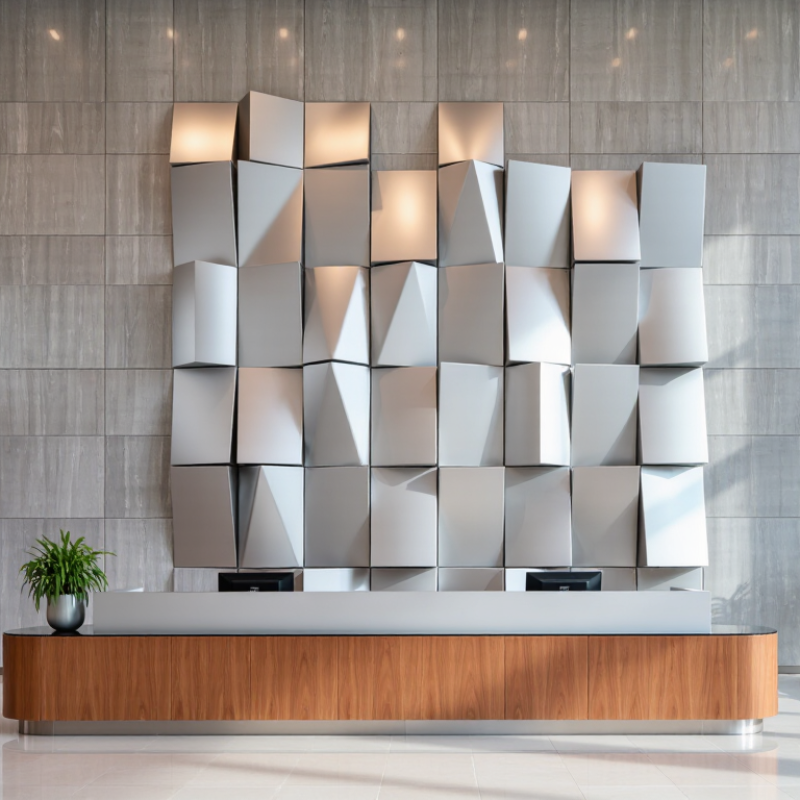
A business logo wall sign is a fixed display showing a company’s name, symbol, or visual mark. It usually sits behind a reception desk, above an entrance, or on an exterior wall. Unlike temporary advertising, it remains part of the building’s identity. Materials may include acrylic, metal, wood, illuminated letters, or dimensional lettering. The sign should match the space, viewing distance, lighting, and wall structure.

Its main purpose is recognition. A clear logo helps visitors confirm they have reached the right location and remember the business later. A widely cited 2012 consumer signage survey, published through the International Sign Association, reported that 76% of consumers had entered a business because of its sign. The same survey found that 68% believed signage reflected business quality. These figures suggest that a wall sign communicates before staff members speak.

The sign also shapes perceived professionalism. A University of Cincinnati study commissioned by the Signage Foundation reported that 60% of businesses experienced sales increases after installing or improving on-premise signage. That result does not guarantee success. Placement, contrast, maintenance, and readable sizing still matter. A beautiful logo can fail on a dark wall. It can also look careless when dust collects around raised letters.

In my experience, the most useful sign is not always the largest one. It is the one visitors can identify quickly, from the correct distance, without asking for directions.

Key Elements That Make Up a Logo Wall Sign

What Is a Business Logo Wall Sign?

Key Elements That Make Up a Logo Wall Sign

A business logo wall sign is a fixed display that places a company’s visual identity directly on an interior or exterior wall. It usually combines a symbol, wordmark, chosen colors, materials, depth, and lighting. The logo file is only the starting point.

A strong sign begins with legibility. At three meters, thin lettering can disappear against textured walls. High contrast helps, but excessive contrast may feel harsh. Acrylic letters create a clean, lightweight appearance. Brushed metal adds visual weight. Halo lighting can produce a soft glow around each character. Direct lighting appears brighter and more commercial. The choice should match the building, audience, and viewing distance.

Scale also matters. The sign should relate to nearby doors, reception desks, and ceiling height. A small logo may look lost in a wide lobby. An oversized logo may dominate the room.

A 2012 national consumer signage survey reported that 76% of people had entered a business because of its signs. The same report found that 68% viewed signage as evidence of business quality.

These figures support signage investment, but they are not a guarantee of sales.

Installation details often decide the final result. Designers should check wall strength, cable routes, glare, cleaning access, and nighttime visibility. I would not approve a sign from a screen proof alone. Real materials reflect light differently. Even a perfect brand color can look wrong under warm LEDs. A test sample is worth the extra time.

Common Materials and Production Methods

What Is a Business Logo Wall Sign?

Common Materials and Production Methods

A business logo wall sign turns a plain exterior into a recognizable visual point. Common materials include acrylic, aluminum, stainless steel, PVC, wood, and illuminated components. Acrylic creates clean, colored faces with a polished edge. Aluminum handles outdoor exposure well and supports crisp cut lettering. Stainless steel offers a refined finish, though fingerprints can become a maintenance issue. Wood adds warmth, but moisture may cause swelling or fading.

Production usually begins with vector artwork, material selection, CNC routing, laser cutting, or waterjet cutting. Fabricators may add paint, vinyl, raised lettering, or internal LEDs. A 2023 global signage market analysis estimated the sector above US$50 billion, with continued growth expected through 2030. Another consumer signage survey reported that 68% of customers associate sign quality with business quality. These figures suggest that material decisions influence more than appearance. They affect trust, maintenance, and visibility. In my experience, small mounting errors can make an expensive sign look uneven. That detail deserves more attention.

Tips: Match the material to the wall and climate. Test colors under daylight and nighttime lighting. Keep a full-size installation drawing. Check screw locations before drilling. Leave access for LED repairs. Do not choose the brightest option automatically; glare can weaken readability and disturb nearby viewers. A modest design may perform better. Sometimes, I still prefer a physical sample before approving production. Digital previews can hide texture, shadows, and imperfect edges.

Where Businesses Use Logo Wall Signs

A business logo wall sign is a fixed display showing a company’s name, symbol, or visual identity. It usually sits behind a reception desk, beside an entrance, or on an exterior wall. Unlike temporary advertising, it remains part of the physical environment. Materials may include acrylic, metal, wood, dimensional lettering, or illuminated components.

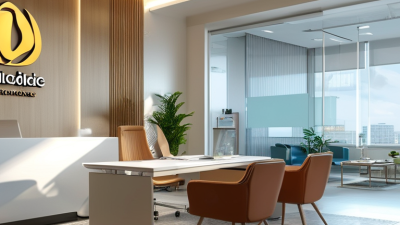
Businesses use logo wall signs in reception areas to create an immediate point of recognition. A visitor may see the logo before speaking with staff. Offices, clinics, hotels, restaurants, studios, and retail spaces often place signs near waiting areas or customer service counters. Exterior wall signs help customers identify the correct entrance, especially on busy streets or shared commercial properties. Directional signs can support the logo, but they should not compete with it.

The 2012 FedEx Office survey reported that 76% of consumers had entered a store because its sign attracted their attention. The same survey found that 68% believed a business’s signage reflected its service quality. These figures suggest that wall signage influences early impressions, not just decoration. Still, a polished sign cannot repair poor lighting, confusing access, or weak customer service. That is an uncomfortable limitation. In practice, a logo may look impressive in a design file but feel too small on a wide wall. Measure viewing distance, glare, mounting height, and nighttime visibility before production. A useful sign should be recognizable within seconds, even when visitors are carrying bags or checking directions.

What Is a Business Logo Wall Sign? - Where Businesses Use Logo Wall Signs
Business Setting Typical Wall-Sign Location Primary Purpose Common Sign Types Suitable Materials and Finishes Important Planning Considerations
Corporate Offices Main lobby, reception wall, visitor welcome area, or executive floor entrance Create a professional first impression and identify the organization at the point of arrival Dimensional lettering Backlit logo Flat wall panel Painted acrylic, brushed metal, aluminum, PVC, wood veneer, or layered dimensional letters Coordinate the sign with reception furniture, wall color, lighting, and the available viewing distance
Retail Stores Exterior storefront, entrance wall, checkout area, or feature wall inside the store Help customers recognize the location and reinforce a consistent visual identity Channel letters Illuminated sign Cut-out logo Aluminum, acrylic, stainless steel, painted metal, or weather-resistant composite panels Check local sign regulations, pedestrian sightlines, weather exposure, and nighttime visibility
Restaurants and Cafés Dining-room feature wall, host stand, entrance, patio wall, or exterior façade Support wayfinding while adding a recognizable decorative element to the customer environment Neon-style LED Dimensional logo Decorative plaque Acrylic, powder-coated metal, reclaimed wood, PVC, or sealed wood-based materials Use finishes that tolerate cleaning routines, humidity, food-service conditions, and heat from nearby equipment
Hotels and Hospitality Venues Lobby, concierge desk, guest entrance, conference area, or amenity floor Welcome guests, identify service areas, and contribute to the overall atmosphere of the property Halo-lit letters Metal logo Inlay sign Brass, bronze, stainless steel, acrylic, stone-look panels, or high-quality wood finishes Consider glare, accessibility, cleaning requirements, interior design standards, and visibility from major circulation paths
Medical and Dental Practices Reception desk, waiting-room wall, building directory, or treatment-area entrance Provide clear identification and create a calm, trustworthy, and organized environment Flat panel sign Raised letters Directory sign Acrylic, aluminum, PVC, solid-surface panels, or nonporous easy-clean finishes Prioritize legibility, low-glare surfaces, accessible placement, hygiene, and compatibility with interior regulations
Fitness Centers and Wellness Studios Reception wall, training area, locker-room corridor, or exterior entrance Establish a visible identity and create a motivating, energetic setting for members LED logo Metal lettering Acrylic graphic Powder-coated aluminum, acrylic, PVC, rubber-compatible panels, or durable laminated materials Account for vibration, moisture, cleaning chemicals, impact risk, and lighting visible in both bright and dim conditions
Educational Facilities Administration building, reception area, auditorium entrance, or campus welcome wall Identify the institution and provide a clear landmark for students, staff, visitors, and event guests Dimensional logo Directional sign Wall-mounted plaque Aluminum, acrylic, PVC, painted metal, or durable exterior-grade panels Use sturdy construction, accessible placement, high contrast, and mounting methods suitable for high-traffic areas
Professional Service Offices Reception wall, shared-office entrance, meeting-room corridor, or lobby directory Make the business easy to identify and support a polished, credible client experience Metal letters Acrylic logo Framed sign Brushed aluminum, acrylic, wood veneer, PVC, glass, or painted dimensional letters Match the sign scale to the room, maintain comfortable reading contrast, and allow sufficient clearance around the logo
Industrial and Commercial Facilities Building façade, employee entrance, reception area, warehouse office, or loading-area access point Identify the facility, improve site navigation, and provide a durable business marker Exterior panel Channel letters Metal logo Powder-coated aluminum, galvanized steel, stainless steel, outdoor acrylic, or weather-resistant composites Evaluate wind, rain, ultraviolet exposure, mounting substrate, electrical access, maintenance, and viewing distance
Shared Offices and Coworking Spaces Common reception desk, member lounge, meeting-room wall, or building directory Identify the operator and create a professional, welcoming environment for members and visitors Modular logo Wall graphic Dimensional letters Acrylic, PVC, aluminum, wood, felt panels, or removable graphic systems Consider frequent tenant changes, flexible mounting, low-damage installation, shared branding zones, and future reconfiguration

How to Choose and Install the Right Logo Wall Sign

What Is a Business Logo Wall Sign?

How to Choose and Install the Right Logo Wall Sign

A business logo wall sign displays a company’s visual identity on an interior or exterior wall. It may use dimensional letters, acrylic panels, metal shapes, or illuminated elements. The best choice starts with the viewing distance. A sign seen from a parking lot needs stronger contrast and larger lettering than one beside a reception desk.

Review the wall before ordering. Check its material, moisture exposure, sunlight, and nearby lighting. A site survey can reveal hidden wiring, uneven surfaces, or weak mounting points. Choose finishes that match the building, but avoid excessive decoration. Clear visibility matters more than expensive materials. The Sign Research Foundation’s Economic Value of On-Premise Signage report found that improved on-premise signs can increase sales by about 10% in some locations. That figure is useful, not guaranteed.

Keep installation practical. Create a full-size template first, then mark every fixing point. Use suitable anchors for masonry, drywall, or cladding. Illuminated signs require safe cable routing and qualified electrical work. The U.S. Department of Energy reports that LED lighting uses at least 75% less energy than incandescent lighting, making it a sensible option for long operating hours. Test the sign from several angles at night. One mistake deserves attention: a beautiful logo can still disappear against a busy wall. Even careful planning sometimes misses that.