2026 Top Business Wall Sign Ideas for Global Buyers?
In the evolving landscape of global business, a well-crafted Business Wall Sign can dramatically enhance brand visibility. David Rhodes, a leading expert in signage solutions, once stated, “An impactful wall sign can speak volumes about your brand’s identity.” This insight highlights the profound role that wall signage plays in shaping perceptions.
As companies look to connect with diverse audiences, the significance of a memorable Business Wall Sign becomes evident. Color, typography, and placement are crucial elements that can attract attention and convey messages clearly. However, it’s important to recognize that not every design will resonate with all viewers. Some signs may fall short of expectations, failing to deliver their intended message or impact.
Considering various styles and themes can help businesses identify their unique voice. While some signs may appear modern and sleek, others might opt for a vintage charm. There’s a balance to master—between creativity and effectiveness. Reflecting on past examples can provide valuable insights. After all, a Business Wall Sign should not only inform but also inspire.
Trendy Wall Sign Ideas for Businesses in 2026
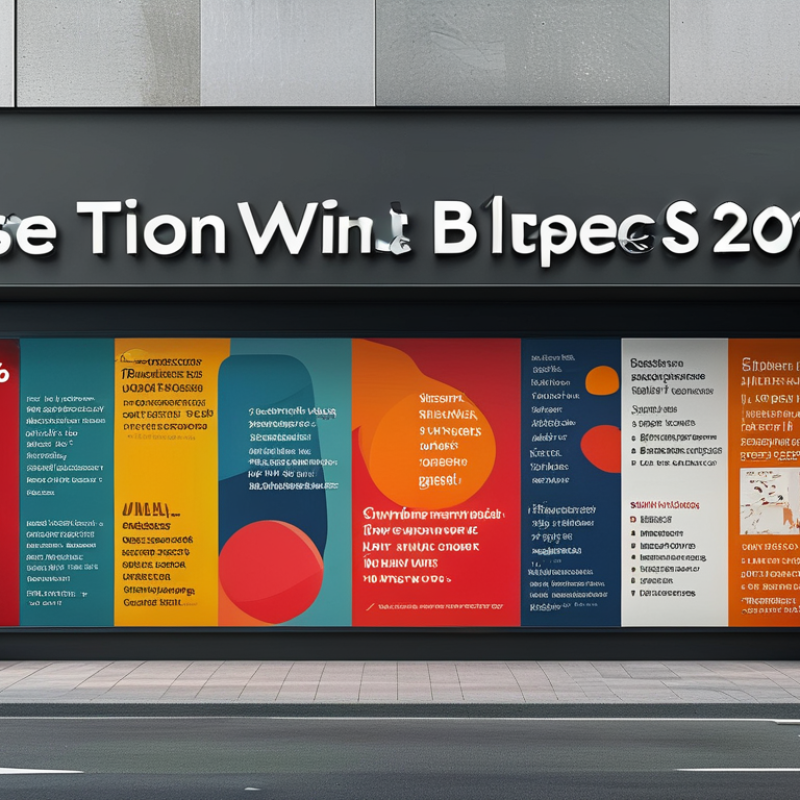
The landscape of business wall signs is evolving rapidly. In 2026, companies will prioritize eye-catching designs that resonate with their brand identity. According to a recent report by Grand View Research, signage can influence first impressions for about 68% of consumers. This statistic underscores the importance of choosing the right wall sign that reflects a business’s values. Modern businesses may explore sustainable materials, like reclaimed wood or eco-friendly paints, which align with growing consumer preference for environmentally conscious practices.
Trendy wall sign ideas will incorporate technology. Interactive digital signs are gaining traction, allowing businesses to update messages easily. In fact, a study by the Signage Foundation found that digital signs can increase customer engagement by up to 400%. Meanwhile, traditional signage, like hand-painted designs, can evoke nostalgia and charm. The challenge lies in balancing the innovative with the familiar. Many businesses may struggle to determine what style best fits their unique brand voice. A blend of both approaches could lead to captivating results. Creating that perfect sign is not just about aesthetics; it's about connection.
2026 Top Business Wall Sign Ideas for Global Buyers
| Sign Type |
Material |
Size (inches) |
Color Option |
Ideal Business Type |
| LED Neon Sign |
Acrylic |
24 x 18 |
Multicolor |
Bars & Restaurants |
| Wooden Lettering |
Plywood |
36 x 12 |
Natural Finish |
Cafés & Boutiques |
| Printed Vinyl Banner |
Vinyl |
48 x 24 |
Custom Colors |
Events & Promotions |
| Metal Plaque |
Aluminum |
30 x 15 |
Silver |
Corporate Offices |
| Frosted Glass Sign |
Tempered Glass |
24 x 24 |
Translucent |
Spas & Salons |
Eco-Friendly Materials for Sustainable Business Signs
In today’s business landscape, eco-friendly materials are becoming increasingly important for signage. Sustainable options can reflect a brand’s commitment to the environment. Choices like bamboo, recycled plastics, and biodegradable composites are ideal for creating attractive signs. These materials not only help reduce waste but also promote a positive image.
However, not all sustainable materials are created equal. Some eco-friendly options may not perform as well outdoors. For instance, while biodegradable plastics break down, they might not withstand harsh weather. Business owners need to weigh durability against sustainability. Each material has its pros and cons, so careful choice is essential.
Design can also impact sustainability. Utilizing local suppliers can reduce transportation emissions. Additionally, opting for minimalistic designs may use less material overall. It's crucial to consider both the aesthetic and environmental footprint when crafting business signs. Balancing these factors requires introspection and adjustment of traditional practices.
Cultural Considerations in Global Sign Design
Designing signs for global markets requires deep cultural awareness. Each culture has unique symbols, colors, and meanings. What works in one region may confuse or offend in another. For instance, colors like white symbolize purity in some cultures but represent mourning in others. Understanding these nuances is essential to create effective signage.
Language plays a critical role in sign design. Text should be clear and appropriate for the target audience. Avoiding jargon or regional slang can prevent misunderstandings. Icons and images can help bridge language barriers. However, even universally recognized symbols can have different interpretations. A thumbs-up may signify approval in one culture but be seen as offensive in another.
Flexibility and research are key in global designs. Collaboration with local experts can offer valuable insights. Designers should not assume their knowledge is complete. Testing designs with local audiences can reveal unexpected reactions. By prioritizing cultural sensitivity, businesses can create signs that resonate well across diverse markets.
Digital vs. Traditional Wall Signage: Pros and Cons
In the world of signage, the debate between digital and traditional formats intensifies. Digital signs offer dynamic content and easy updates. They attract attention with colorful displays and animations. However, they require a power source and regular maintenance. On the other hand, traditional signage boasts simplicity and craftsmanship. They are often made from durable materials, leading to long-term use. Yet, updating such signs may be costly and time-consuming.
When considering signage options, weigh the benefits carefully. Digital signage can enhance customer engagement. For high-traffic areas, they can deliver timely promotions. Traditional signs maintain a classic appeal that resonates with certain audiences. They often reflect a brand's identity through design.
Tip: Assess your target demographic before deciding. Understanding their preferences will inform your choice. A mix of both formats could serve diverse audiences effectively. Choose wisely to enhance visibility and communication.
Innovative Lighting Solutions for Business Wall Signs
Innovative lighting solutions for business wall signs can significantly impact visibility and brand recognition. According to a recent report by the Sign Research Foundation, effective signage can increase visibility by 75%. This highlights the importance of well-lit signs in attracting customers and enhancing business appeal.
Implementing LED technology for wall signs is a growing trend. LEDs consume less energy and have longer lifespans compared to traditional signage options. A study by the Department of Energy found that LED signage can reduce energy costs by up to 80%. Businesses can also choose dynamic lighting features that change colors or brightness, creating a captivating display. Tips: Ensure your signage complements the overall brand identity.
While the benefits of innovative lighting are clear, not every design will work for all businesses. Some may find that extensive lighting may overpower their branding message. It's essential to balance creativity with clarity. Analyze your target audience to find the right approach for your unique needs. Remember also to prioritize maintenance, as poorly maintained signs can detract from your image.



 Inquiry
 Email
Email WhatsApp