How to Choose an Acrylic LED Sign Board in 2026?
Choosing an Acrylic Led Sign Board in 2026 requires more than comparing brightness or surface appearance. Buyers must evaluate light quality, material durability, energy use, maintenance access, and installation conditions. A sign may look impressive in a showroom but appear uneven beside a sunlit storefront. Small details matter.
Industry forecasts confirm why this decision deserves careful attention. MarketsandMarkets estimates that the global LED lighting market could grow from about USD 78 billion in 2024 to more than USD 118 billion by 2029. Its scope includes broader lighting applications, not only signage. That limitation matters. Meanwhile, the U.S. Department of Energy continues to report major efficiency gains across solid-state lighting, including improved efficacy and longer operating life. These trends support LED signage, but they do not guarantee a reliable product.
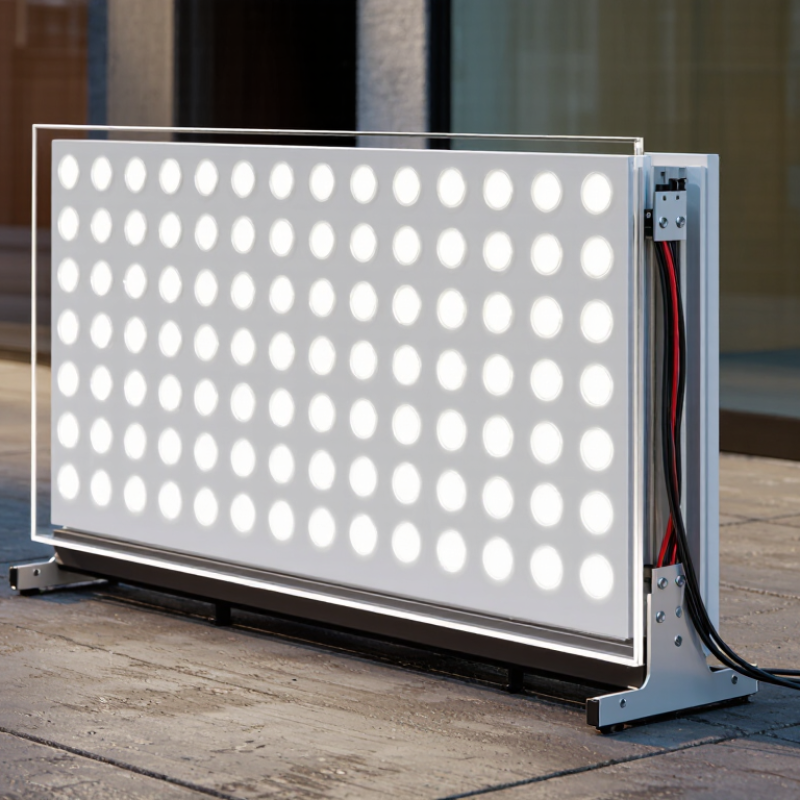
This guide examines practical selection criteria for an Acrylic Led Sign Board, including acrylic thickness, LED spacing, color consistency, ingress protection, power supply quality, and serviceability. For example, closely spaced LEDs can reduce bright spots across a 10-millimeter acrylic face. However, excessive brightness may create glare and waste energy. I have also included lessons from real installation conditions, where heat, dust, rain, and difficult wiring often expose weaknesses earlier than expected. Some recommendations remain judgment-based, because published reports rarely isolate acrylic signage as a separate market category. Readers should verify supplier specifications, test samples after dark, and request documented warranties before committing to a large order.
Define Signage Goals: Size, Viewing Distance, Brightness, and 2026 Use Cases
How to Choose an Acrylic LED Sign Board in 2026?
Define the viewing distance before choosing the acrylic LED sign board. The International Sign Association commonly suggests one inch of letter height for every ten feet of viewing distance. A sign read from 100 feet therefore needs letters near ten inches tall. Measure from the driver’s eye level, not the property entrance. Size also depends on traffic speed, viewing angle, and nearby visual clutter. I have seen attractive signs fail because their text was technically large, but placed too high.
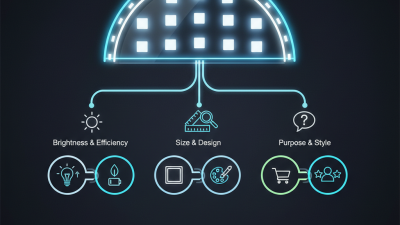
Brightness must match the environment. Indoor signs often work near 500–1,000 nits, while sunlit outdoor locations may require 3,000–7,000 nits. These figures are starting points, not guarantees. The U.S. Department of Energy reports that LED packages can exceed 150 lumens per watt in laboratory conditions. Acrylic diffusion, heat, wiring, and power supplies reduce real-world output. Nighttime dimming matters. Excessive brightness can create glare and weaken readability.
Tips: For 2026 use cases, test the board in its actual setting. Retail entrances need fast recognition. Hotels may prefer softer illumination. Event displays often need portability and quick installation. Request measured brightness, viewing-angle data, and energy consumption. Ask for a daylight photograph and a nighttime photograph. Small details matter. My own selection process would include a mock-up at full size, because digital previews often look clearer than installed signs.
Evaluate Acrylic Quality: 92% Light Transmittance and UV-Resistant PMMA
How to Choose an Acrylic LED Sign Board in 2026?
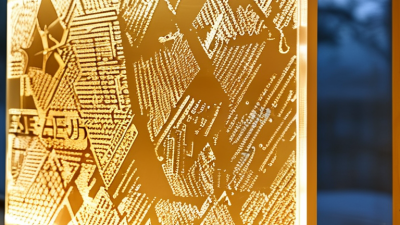
Clear PMMA should transmit about 92% of visible light, according to common optical-grade industry specifications. This figure matters because higher transmission can produce brighter letters with less LED energy. However, 92% is not automatic. Sheet thickness, surface texture, tint, and scratches can reduce actual brightness.
Ask for test results based on ASTM D1003, which measures luminous transmittance and haze. A reliable supplier should provide readings for the exact sheet thickness used in your sign. Check the sample under white and colored LEDs. It should look clean, not smoky or yellow. Small flaws become obvious at night.
UV resistance deserves equal attention. ASTM G154 testing can expose PMMA to repeated ultraviolet cycles, heat, and moisture. Outdoor signs need documented color and clarity retention after testing. Market research from Grand View Research estimated the global PMMA market at about USD 5.98 billion in 2023, with continued growth through 2030. That growth does not guarantee every panel performs well. Cheap sheets may still pass a basic visual check. Inspect the edges, mounting holes, and exposed faces carefully. Real installations are less forgiving.
Compare LED Performance: 80–150 lm/W Efficacy and 50,000-Hour L70 Life
When choosing an acrylic LED sign board in 2026, start with measured light performance, not brightness claims alone. A practical target is 80–150 lm/W system efficacy. This figure should include LEDs, drivers, wiring, and optical losses. Ask for test conditions, input power, ambient temperature, and the measurement method. Without those details, comparisons become unreliable.
L70 indicates useful light retention over time. A rated 50,000-hour L70 life means average output may reach 70% after that period. It does not mean the sign will suddenly stop working. Heat is the quiet enemy. Inspect the aluminum backing, ventilation, LED spacing, and driver location. Acrylic can look evenly illuminated during a showroom test. Trapped heat may still accelerate aging. In outdoor trials, thermal readings matter more than appearance alone.
Check brightness at the actual viewing distance. A narrow cabinet with high efficacy may outperform a larger, brighter-looking board. Ask for illuminance readings across the face, not only at the center. Review dimming stability and color consistency during long operation. I have learned that a neat specification sheet can still mislead. That is an imperfect shortcut, but field conditions expose it quickly. A slightly lower rated output with better heat control may deliver steadier light, lower electricity use, and more dependable performance over years.
How to Choose an Acrylic LED Sign Board in 2026?
Compare LED performance using luminous efficacy and L70 lifetime. Higher efficacy can reduce power consumption for the same brightness, while an L70 rating of 50,000 hours indicates the expected operating time before light output falls to approximately 70% of its initial level.
Selection guide: For efficient acrylic LED sign boards, consider systems delivering approximately 80–150 lm/W and a rated L70 lifetime of at least 50,000 hours. Actual performance can vary with LED current, thermal management, optical design, installation conditions, and operating temperature.
Verify Safety and Weatherproofing: UL 48 Compliance and IP65 Protection
How to Choose an Acrylic LED Sign Board in 2026?
Safety should be verified before brightness or design. For an acrylic LED sign board, request evidence of UL 48 evaluation from the manufacturer. Do not rely on a printed logo alone. Check the certification scope, electrical ratings, wiring methods, and installation instructions. UL 48 addresses important risks in electric signs, including enclosure safety, current leakage, and fire resistance. A qualified electrician should confirm that the sign matches local installation requirements. Small details matter.
IP65 protection means the enclosure is dust-tight and protected against water jets. It does not mean the sign can be submerged. It also does not guarantee protection from coastal salt, freezing rain, or poor installation. Look for sealed cable glands, intact gaskets, drainage design, and UV-resistant acrylic. In field inspections, loose screws and cracked seals often create more trouble than the LED modules. Weatherproofing can fail slowly.
Tips: Ask for an IP test report, wiring diagram, and maintenance schedule. Inspect the rear cabinet, not only the front face. Confirm that the mounting surface prevents water from collecting behind the sign. Leave room for thermal movement. I would also question vague claims such as “waterproof for all weather.” They sound convenient, but they are rarely precise. Check twice.



 Inquiry
 Email
Email WhatsApp