7 Best Acrylic Office Signs for Global Buyers
Office Signs Acrylic has become a practical choice for global workplaces seeking clarity, durability, and controlled brand presentation. Its clean edges, polished surfaces, and layered lettering suit reception desks, corridor walls, meeting rooms, and directional points. More than decoration, these signs shape the first three seconds of a visitor’s experience.
Grand View Research valued the global signage market at approximately USD 49 billion in 2023. Its report also forecasts continued growth through 2030, supported by corporate expansion, retail investment, and digital-printing improvements. Smithers’ research on printed signage highlights personalization and shorter production runs as important market trends. These findings matter to international buyers. Acrylic allows custom colors, frosted finishes, raised logos, and multilingual layouts without making every sign look temporary.
The details still matter.
Paul Rand, a leading corporate identity designer, wrote, “Design is the silent ambassador of your brand.” His principle remains relevant when selecting Office Signs Acrylic for a global facility. A two-millimeter alignment error can look minor online, yet appear obvious beside a reception counter. Material thickness, UV stability, mounting hardware, readability, and packaging should therefore guide each purchase. Supplier claims require verification, especially when reports use different market definitions and regional samples. That is an uncomfortable limitation, but a useful one.
This guide reviews seven strong acrylic office sign options for global buyers. Each selection considers visual consistency, installation practicality, customization, shipping protection, and long-term workplace value. Some offices need understated frosted panels. Others need bold, dimensional lettering. The best choice is rarely the most expensive one.
Acrylic Sign Materials: 3–25 mm Thickness and ASTM D4802 Standards
7 Best Acrylic Office Signs for Global Buyers
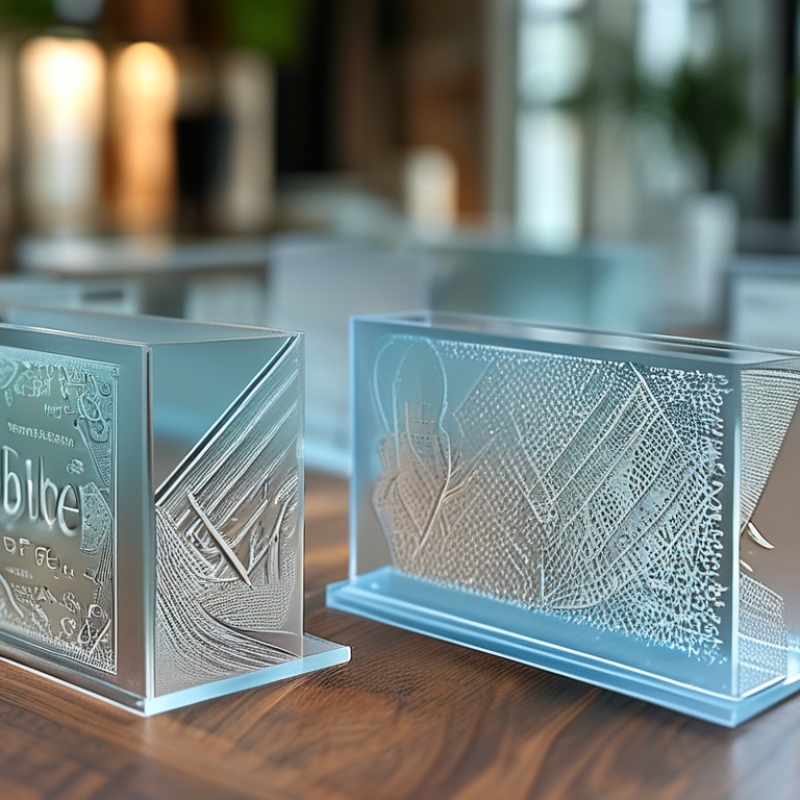
Acrylic signs can make reception areas, meeting rooms, and corridors feel cleaner. The seven strongest options include door plaques, desk signs, wall logos, directional panels, room numbers, safety notices, and hanging signs. Their performance depends heavily on sheet selection. For most office projects, 3 mm acrylic suits lightweight door and desk signs. Thicker 5–10 mm sheets create stronger wall lettering and premium reception panels. Large freestanding or suspended signs may require 15–25 mm material, depending on size and support design.
ASTM D4802 helps buyers evaluate acrylic cast sheet for general use. It addresses important requirements such as appearance, dimensions, and physical performance. However, a reference to the standard does not replace inspection. Request the material grade, thickness tolerance, color details, surface finish, and test documentation. Clear acrylic should show minimal haze, clean edges, and consistent polishing. White or colored sheets need stable pigmentation across the production batch. Small variations can still appear.
From practical sourcing experience, packaging deserves equal attention. Protective film, corner guards, and rigid cartons reduce scratches during international transport. Ask for a sample before approving a large order. I would also compare the sign size with its thickness, because a thin sheet may flex under its own weight. That mistake is easy to overlook. Environmental exposure, mounting hardware, and cleaning chemicals also deserve review before production. A reliable supplier should explain these limits clearly, even when the answer is inconvenient.
Seven Office Sign Formats: Lobby, Door, Wayfinding, Safety, and Room Signs
7 Best Acrylic Office Signs for Global Buyers
Seven Office Sign Formats: Lobby, Door, Wayfinding, Safety, and Room Signs
Acrylic office signs combine a clean surface with strong visual contrast. In installation practice, seven formats cover most workplaces:
lobby logos, reception directories,
door plaques, room signs,
wayfinding arrows, safety notices, and
desk signs. A lobby sign creates the first visual cue. A directory helps visitors find departments without asking staff. Door plaques identify offices, while room signs support daily scheduling. Small desk signs can label shared workstations.
Wayfinding deserves careful planning.
Microsoft’s 2023 Work Trend Index found that 67% of employees value in-person collaboration. More people return to offices, but many spaces remain unfamiliar. Clear acrylic arrows, floor indicators, and elevator-area panels reduce hesitation. Keep wording short. Use high contrast. Test the route with a first-time visitor. One overlooked turn can weaken the whole system.
Safety signs require extra discipline.
Use readable type, consistent symbols, and durable finishes. Accessibility guidance, including the ADA Standards and ISO 7010 principles, supports tactile, visual, and recognizable communication. Acrylic works well for protected indoor areas, but direct sunlight may cause fading or glare. Frosted layers improve privacy on glass doors, although they can reduce contrast. That trade-off is easy to miss. Review lighting, cleaning methods, mounting height, and multilingual needs before production. A beautiful sign can still fail if visitors cannot read it.
Visual Quality Testing: ASTM D1003 Haze and ISO 4892-3 Weathering Data
7 Best Acrylic Office Signs for Global Buyers
For global buyers, seven practical acrylic sign formats include reception logos, room plaques, directional panels, desk signs, suspended signs, safety notices, and wall-mounted directories. Each format demands different viewing distances, lighting conditions, and cleaning routines. A bright lobby can expose haze that remains invisible in a sample room. That detail matters.
ASTM D1003 measures haze as the percentage of transmitted light scattered through acrylic. Lower haze usually means clearer visual transmission. Buyers should request the test thickness, conditioning method, instrument details, and measured haze value. A supplier’s photograph is not enough. I prefer inspecting printed graphics behind the sheet, especially under white LED lighting. Fine text should remain sharp, not milky. Still, low haze alone does not prove excellent signage. Surface scratches, fingerprints, and poor edge polishing can damage the final appearance.
ISO 4892-3 evaluates resistance to artificial weathering using fluorescent ultraviolet exposure and controlled moisture cycles. It can reveal yellowing, surface cracking, gloss loss, or fading after specified exposure periods. However, the result does not predict an exact outdoor service life. Indoor office signs may face sunlight through glass, heat near windows, and repeated cleaning. Ask for exposure duration, cycle settings, color-change observations, and post-test photographs. Compare samples before and after testing. Some reports sound precise but omit cleaning history or color measurement conditions. That omission deserves questions. Test data becomes useful only when the specimen matches the proposed thickness, coating, print method, and installation environment.
Global Accessibility Design: ADA 1/32-Inch Raised Characters and Grade 2 Braille
7 Best Acrylic Office Signs for Global Buyers
Global accessibility begins with tactile details, not decoration. For acrylic office signs, raised characters should project at least 1/32 inch above the surface under ADA guidance. Their edges need to feel clear, not sharp. Grade 2 Braille should sit directly below the matching text, with consistent dot spacing and comfortable reading height. These details help visitors identify rooms, elevators, restrooms, and emergency routes without relying on sight.
Acrylic offers a clean appearance, but contrast still matters. Choose a strong difference between the background and printed text. Keep raised lettering away from glossy reflections, door handles, and frame edges. In practice, a beautiful sign can remain difficult to use if installed too high or crowded with information. Global buyers should also check local accessibility rules, because ADA guidance may not cover every regional requirement. Do not assume one specification fits every building.
Tips: Request a tactile sample before ordering large quantities. Run a fingertip across the characters and inspect each Braille dot under direct light. Confirm the reading order and mounting height with the installer. Use durable adhesives suited to the wall surface, but plan for future replacement. Small errors are easy to miss during production. A final on-site inspection is worth the extra few minutes.



 Inquiry
 Email
Email WhatsApp