Top 10 Lighted Business Signs You Need for Your Store?
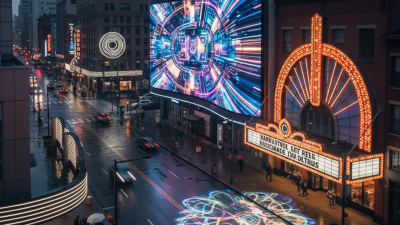
In the competitive landscape of retail, visibility is key. Lighted Business Signs play a critical role in attracting foot traffic. According to a report by the Sign Research Foundation, approximately 35% of consumers discover businesses simply by walking or driving by. This statistic highlights the need for effective signage. Industry expert John Smith, a consultant for the National Sign Association, once noted, "A well-placed lighted sign is like a beacon on a dark street."
Incorporating Lighted Business Signs helps enhance brand visibility and recognition. Reports indicate that signs can lead to a 20% increase in sales. However, not every sign brings the same results. Businesses should consider design and placement carefully. The wrong sign can undermine their efforts and confuse potential customers.
Investing in quality Lighted Business Signs can yield significant returns, but it requires thoughtful consideration. The market is saturated, and a unique sign can set a business apart. Despite their benefits, many retailers overlook this crucial aspect of marketing. Recognizing the value of Lighted Business Signs could be the difference between thriving and struggling in today’s retail environment.
Essential Features of Lighted Business Signs for Effective Advertising
When choosing lighted business signs, consider their effectiveness in attracting customers. Bright, eye-catching signs can draw attention from a distance. They create a welcoming atmosphere for your store. The colors and brightness level can significantly influence customer perception.
Think about the design of your sign. A unique shape or creative graphics can make your store stand out. Simple fonts are easier to read, especially at night. Consider how lighting interacts with the sign materials. Some materials reflect light better, enhancing visibility.
Remember, not all signs are created equal. A poorly lit sign can turn customers away. Regular maintenance is crucial to keep your signs functioning properly. Investing in high-quality LED lights can save you money in the long run. Your sign should reflect your brand’s identity and be updated as needed, ensuring it remains relevant.
Types of Lighted Signs: Choosing the Right Style for Your Store
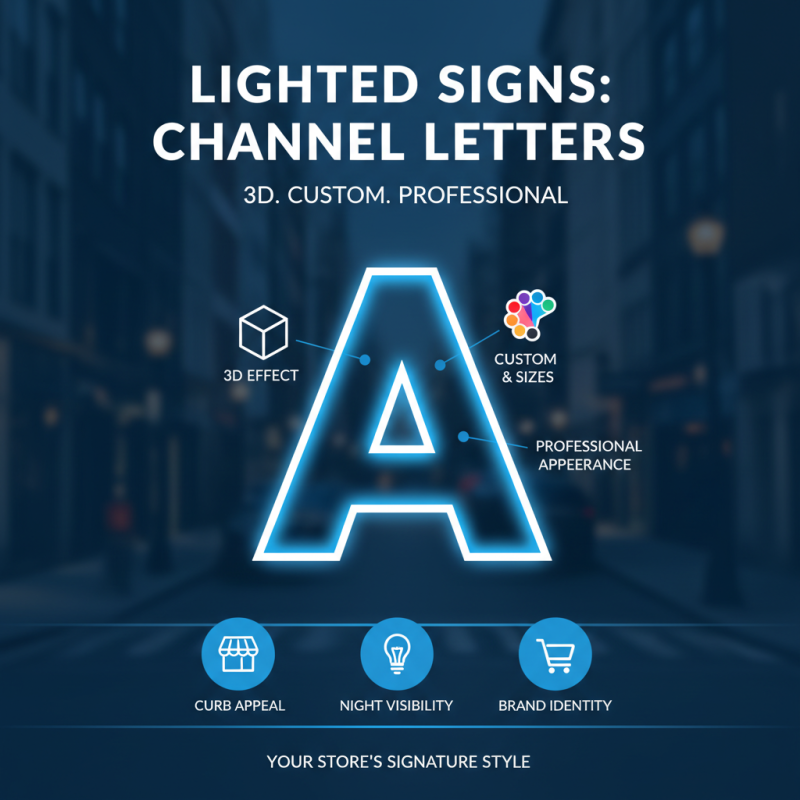
When selecting lighted signs for your store, consider various styles that suit your brand. Channel letters are a popular choice. They provide a three-dimensional effect that catches the eye, especially at night. These signs can be customized in various colors and sizes. They offer a professional appearance that many businesses prefer.
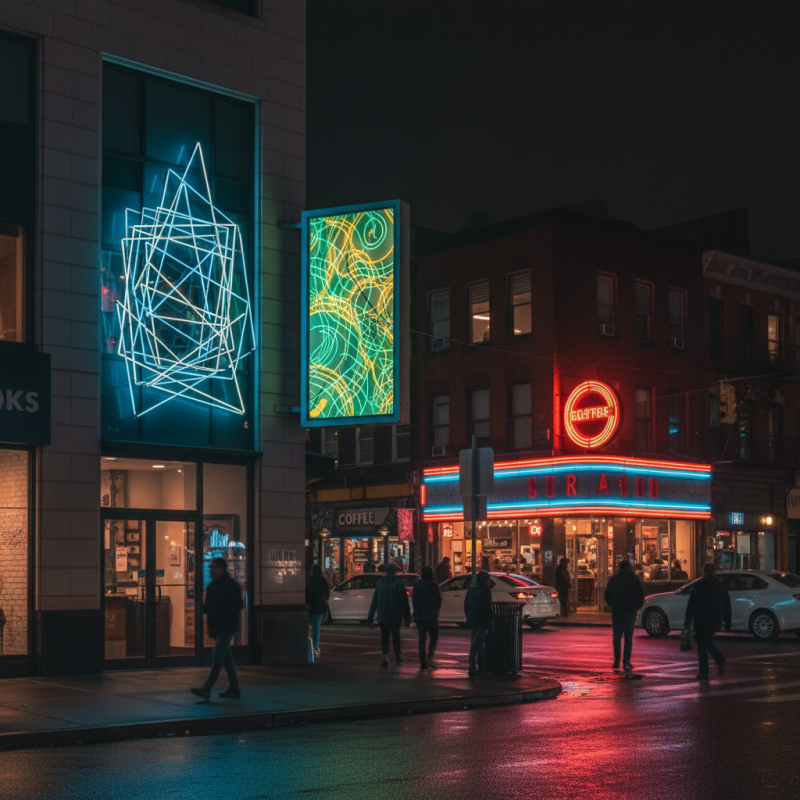
Neon signs have a nostalgic charm that draws customers. They are vibrant and can showcase playful designs. However, maintaining neon signs may be challenging. They require careful handling and can break easily. This might not be ideal for all store environments.
Blade signs are another option. They hang perpendicular to the storefront, making them visible from both sides of the street. They are great for narrow spaces. Still, they need to comply with local regulations, which can be an obstacle. Overall, choosing the right lighted sign involves weighing aesthetics and logistics to ensure it enhances your store’s appeal.
Benefits of Using LED Signs for Modern Retail Environments
In today's retail environment, LED signs offer numerous advantages for businesses. They are energy-efficient, consuming significantly less power than traditional signs. This can translate to lower utility bills over time, benefiting your store’s bottom line. Furthermore, LED signs have vibrant colors and brightness, making them highly visible even during daylight. This visibility helps attract customers and enhances overall foot traffic.
Tips for choosing the right LED signs: Focus on size and placement. A larger sign can catch the eyes of passersby from a distance. Consider areas with high foot traffic, like store entrances or windows. Additionally, don’t overlook the messaging. Short, clear messages work best. Utilize bright colors that contrast well to enhance readability. Remember, the goal is to convey information quickly.
Using LED signs can also elevate the customer experience. They can display promotions, store hours, or special events in real-time. This not only informs potential customers but also creates an interactive atmosphere. Experiment with different designs to see what resonates with your audience. Feedback is essential. Reflect on customer responses to your signage and adjust as needed. The right sign can significantly increase engagement.
Tips for Proper Installation and Maintenance of Lighted Business Signs
Installing lighted business signs can significantly impact visibility and sales. According to a report by the Sign Research Foundation, 76% of consumers enter a store they have never visited before based solely on its signage. It’s essential to ensure proper installation and maintenance of these signs to maximize their effectiveness.
When installing a lighted sign, choose a location that captures attention without obstructing views. Signs should be mounted securely at eye level for optimal visibility. Regular maintenance is crucial. Dust and dirt can dull lights, decreasing their effectiveness. Regularly check for burned-out bulbs and replace them immediately.
Consider using a professional service for installation. They have the expertise to ensure compliance with local regulations. Store owners should also periodically assess the sign's visibility from various angles. An inadequately maintained sign can create a negative impression. Stay proactive about these details to maintain a strong brand image.
Top 10 Lighted Business Signs - Usage Statistics
Cost Considerations: Budgeting for Your Lighted Sign Investment
When planning for lighted business signs, budgeting is crucial. Consider the initial purchase cost. Sign types vary widely in price. Custom designs often cost more than standard options. Installation costs can also accumulate. Some signs require professional installation, adding to the overall investment. Be aware that cheaper signs may not offer durability or visibility in the long run.
Maintenance is another factor. Lighted signs need regular upkeep, especially with neon or LED elements. Budget for potential repairs or replacements. Also, think about energy efficiency. Some signs consume more power than others, affecting monthly expenses. Finding a balance between upfront costs and long-term savings is essential. Reflect on your specific needs and location when deciding.
Don’t overlook zoning permits or regulations. These may incur additional costs for compliance. Planning for unexpected expenses can also help. Allow for a buffer in your budget for any unplanned issues. Overall, a well-thought-out budget can ensure that your investment in lighted signs brings you the visibility you need without overspending.
Top 10 Lighted Business Signs You Need for Your Store? - Cost Considerations: Budgeting for Your Lighted Sign Investment
| Sign Type |
Description |
Estimated Cost ($) |
Installation Cost ($) |
Average Lifespan (years) |
| Neon Signs |
Bright, colorful signs with a classic look. |
300 - 600 |
50 - 100 |
10 - 15 |
| LED Channel Letter Signs |
Customizable letters that illuminate. |
600 - 3,000 |
200 - 500 |
7 - 10 |
| Pylon Signs |
Tall signs for visibility from distance. |
1,200 - 5,000 |
300 - 800 |
10 - 15 |
| Light Box Signs |
Illuminated box with customizable graphics. |
500 - 2,500 |
100 - 300 |
5 - 10 |
| Blade Signs |
Signs angled at 90 degrees for visibility. |
400 - 1,500 |
100 - 200 |
7 - 12 |
| Digital Displays |
Changeable content, great for promotions. |
2,000 - 10,000 |
500 - 1,500 |
5 - 10 |
| Window Neon Signs |
Neon signs installed directly on windows. |
200 - 800 |
50 - 150 |
10 - 15 |
| Monument Signs |
Ground-level signs, often made of stone/concrete. |
1,500 - 8,000 |
400 - 1,000 |
15 - 20 |
| Projecting Signs |
Signs that stick out from the building. |
300 - 1,200 |
100 - 250 |
5 - 10 |
| A-Frame Signs |
Portable signs that can be placed anywhere. |
100 - 500 |
30 - 100 |
3 - 5 |



 Inquiry
 Email
Email WhatsApp