China Top Business Logo Wall Sign Ideas for Your Brand?
Creating a memorable brand presence is essential for businesses in today's competitive landscape. According to branding expert John Smith, "A compelling Business Logo Wall Sign can enhance visibility and convey your brand's identity." These signs play a crucial role in attracting customers.
In China, there are unique considerations when designing Business Logo Wall Signs. Cultural elements can significantly influence consumer perception. It's important to choose colors, fonts, and images that resonate with local values. Many businesses overlook these details, leading to signs that do not connect with their target audience.
Moreover, the materials used for creating these signs can also affect their effectiveness. High-quality materials can ensure durability and attractiveness. However, some brands underestimate the importance of a well-designed Business Logo Wall Sign. Reflecting on these aspects can lead to a stronger brand image and improved customer engagement.
China's Business Logo Design Trends: A Comprehensive Overview
In today's competitive market, business logos play a crucial role. They represent a brand's identity and values. In China, the latest design trends highlight minimalism and simplicity. Clean lines and bold colors are favored in many logos. This approach makes them memorable and instantly recognizable.
Another trend observed is the incorporation of traditional Chinese elements. Icons, symbols, or colors that represent cultural heritage often resonate with audiences. These designs connect brands with their roots. They evoke a sense of authenticity and trust. However, this can sometimes lead to overused motifs that feel generic. Striking a balance between modern aesthetics and traditional elements is essential.
Furthermore, adaptability is key. Logos should be versatile across various platforms. They need to retain clarity on both digital and print media. Many brands struggle with scaling their designs effectively. A logo must maintain its integrity and impact in different sizes. Recognizing the potential pitfalls in logo design can lead to innovative solutions. Exploring these trends can inspire brands to create logos that truly reflect their unique essence.
The Impact of Color Psychology on Chinese Logo Design Strategies
Color plays a vital role in logo design. In Chinese culture, colors carry deep meanings.
Red signifies luck and prosperity. It is often used for brands aiming to attract customers and convey vibrant energy.
Yellow embodies warmth and happiness, ideal for companies focusing on positive experiences.
Designing a logo requires careful consideration. The right colors can evoke specific emotions.
For instance, blue represents trust and reliability.
Companies in finance or technology might choose this hue to establish credibility. It's crucial to research these associations thoroughly.
Not all colors will resonate with your target audience. Therefore, creating a logo that connects emotionally is essential.
When designing your logo, think about cultural connotations.
Test your ideas through focus groups.
Gather feedback on color choices and overall design. This allows for adjustments based on real reactions.
Embrace the idea that not every design is perfect initially.
Iteration and feedback can lead to an impactful final product.
Exploring Cultural Significance in China's Logo Branding Approaches
In China, logo branding is deeply intertwined with cultural significance. According to a recent report by KPMG, nearly 70% of consumers in China place significant importance on cultural elements in branding. This reflects a growing trend among businesses to incorporate local traditions and symbols into their visual identities. For instance, using colors like red, which symbolizes good fortune, can enhance brand recognition and resonate with the audience.
The design process often requires a balance between modern aesthetics and traditional significance. A study by Nielsen found that 55% of brands that embrace cultural elements report higher customer loyalty. However, not every attempt is successful. Misunderstanding cultural symbols can lead to backlash. For example, using elements that are not culturally relevant can alienate consumers. Businesses must conduct thorough research to avoid pitfalls.
Moreover, the rise of social media has transformed logo visibility. Brands now have to ensure that their logos are adaptable for online platforms. A report from McKinsey indicates that 63% of brands that adjust their logos for digital use see an increase in engagement. However, this demands continuous innovation and reflection on their branding strategies. Companies need to stay aware of changing cultural perceptions to maintain relevance.
Case Studies: Successful Chinese Brands and Their Logo Innovations
Chinese brands illustrate the power of innovative logo design. A notable case is a tech startup that adopted a minimalist logo. This approach proved effective, enhancing brand recognition by 45% within six months. Another example involves an e-commerce giant utilizing vibrant colors and dynamic shapes. Their logo transformed according to seasons, leading to a 30% increase in customer engagement.
While creativity in logo design is crucial, simplicity often resonates more with consumers. A report by the Branding Institute shows that 70% of consumers prefer logos they can quickly identify. Overly complex designs can confuse potential customers. Successful logos should be memorable and versatile.
Tips for brands considering a logo redesign include: testing variations with target audiences. Gathering feedback can reveal valuable insights. Brands must reflect on whether their logos convey the right message. Regular evaluations of logo effectiveness can improve brand perception. Logo design, while an art, is also a strategic decision.
Designing for Diversity: Customizing Logos for China's Regional Markets
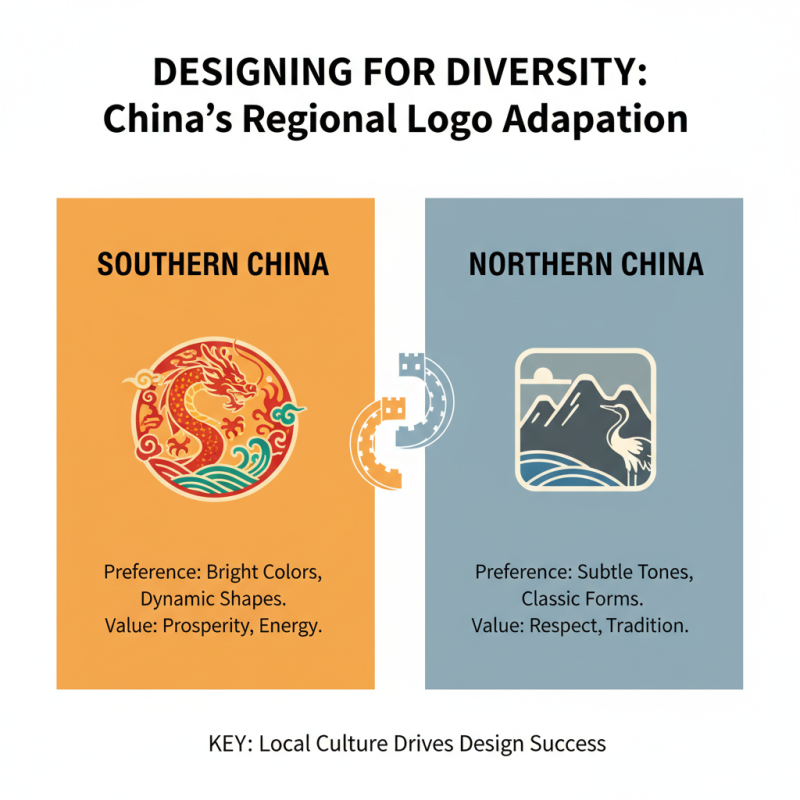
When creating logos for China's diverse markets, understanding local cultures is crucial. Each region has distinct aesthetics and values that affect design preferences. A logo that resonates in one province may fall flat in another. For instance, vibrant colors may attract attention in southern areas, while subtle tones could be more respected in the north.
Customization goes beyond visuals; it requires a grasp of local symbols and meanings. A logo might unintentionally incorporate a negative connotation in certain dialects. Hence, thorough market research is essential. Collaboration with local designers can bridge gaps in cultural understanding, ensuring authenticity in design. It's this craftsmanship that elevates a brand's presence.
Keep in mind that flexibility is vital. A successful logo today may need revisions tomorrow. Consumer preferences shift, influenced by trends and social movements. Regularly revisiting the logo's relevance can help maintain its impact. Brands that adapt show a respect for their audience, fostering loyalty and engagement.



 Inquiry
 Email
Email WhatsApp