Top 10 Backlit Building Signage Options for Global Buyers?
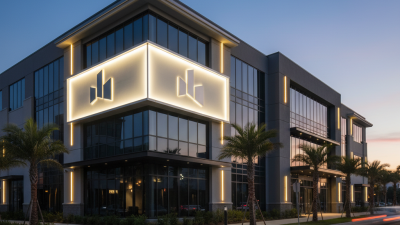
In the vibrant world of architectural design, Backlit Building Signage stands out as a transformative element. Experts emphasize its importance for businesses seeking visibility. John Smith, a leading authority in signage solutions, once stated, "Effective signage can elevate a building's presence." This resonates greatly in today's competitive market.
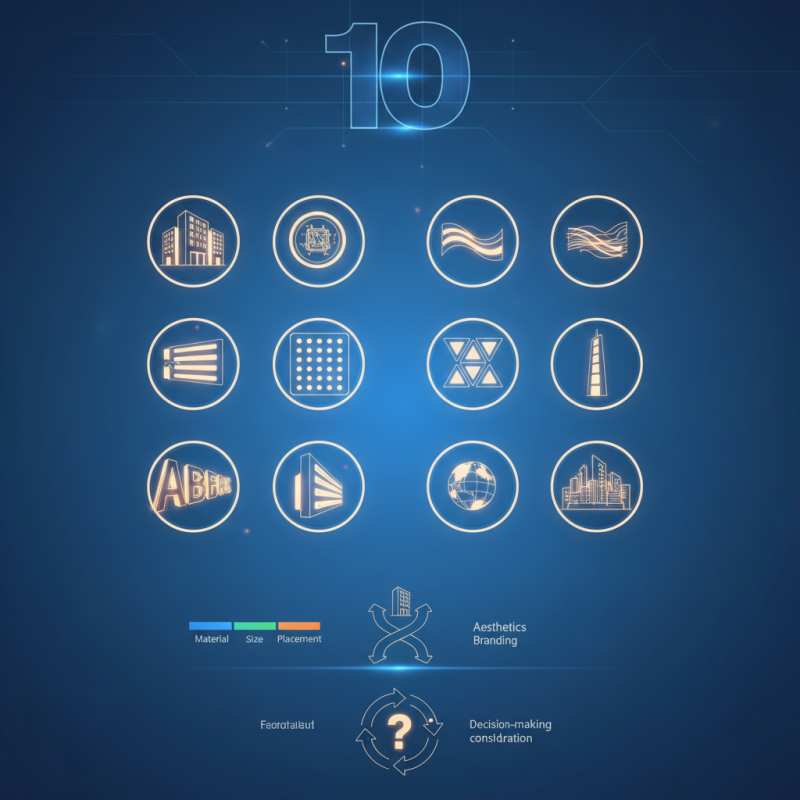
Backlit Building Signage not only enhances aesthetics but also improves branding. It captivates potential customers, especially at night. However, choosing the right option can be challenging. Factors such as material, size, and placement are crucial for maximizing impact. Unfortunately, many overlook these details, leading to ineffective signage.
With a plethora of options available, identifying the best choice is vital. Global buyers must weigh numerous factors. Is the design practical? Does it align with the company's identity? Such questions often linger in decision-making processes. Indeed, Backlit Building Signage deserves careful consideration in planning stages.
Top 10 Backlit Building Signage Options for Global Buyers
When choosing backlit building signage, consider the design, material, and illumination. These elements greatly influence visibility and aesthetics. Analyze how well the sign suits the building's architecture. A good sign harmonizes with its surroundings. Playing with colors can create different moods.
Think about maintenance. Signs exposed to the elements need durable materials. Acrylic, metal, and glass offer varying benefits. Regular upkeep ensures long-lasting quality. However, some signs may fade or lose brightness over time. This is an issue many buyers face.
Another factor is energy efficiency. LED lighting is often recommended for its low power consumption. It reduces operational costs while providing bright illumination. However, some global regions have different energy standards. This is where regulations come into play. Ensure compliance to avoid future complications. With careful planning, your choice of backlit signage can enhance brand presence effectively.
Understanding the Importance of Backlit Signage in Branding
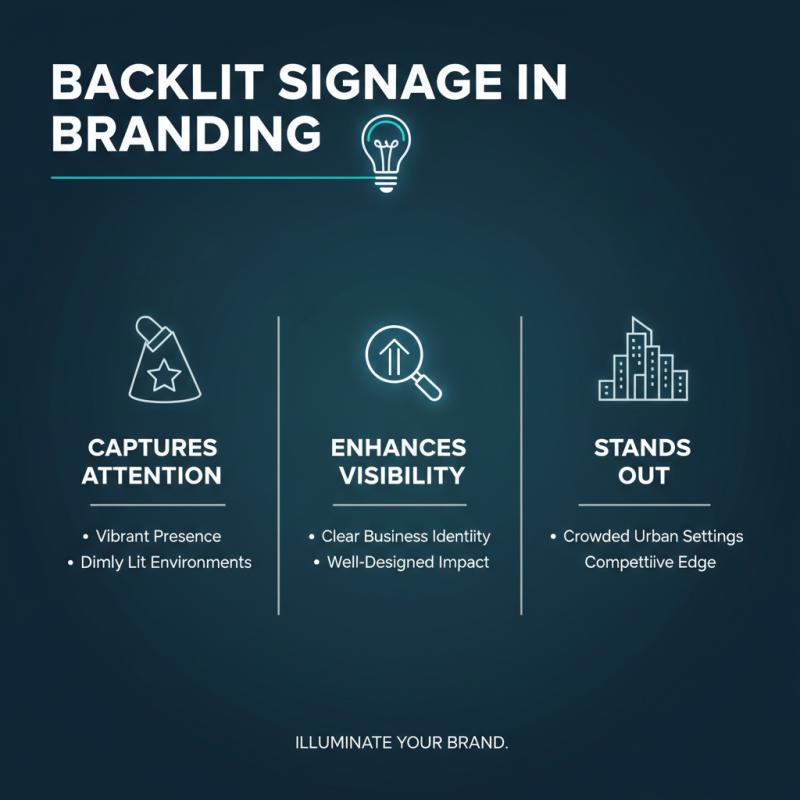
Backlit signage plays a crucial role in effective branding. These illuminated signs create a vibrant presence that captures attention, especially in dimly lit environments. When designed well, they enhance visibility and convey a business's identity clearly. This is essential in crowded urban settings where competition for attention is fierce.
Choosing the right backlit option can be challenging. Each type has its own advantages. For instance, acrylic displays offer a sleek look, while LED panels provide energy efficiency and durability. However, some businesses might overlook the importance of maintenance. A poorly lit sign can reflect negatively on the brand, leading to confusion and even loss of customers. Regular upkeep is necessary for sustaining a positive image.
Moreover, the color and design of backlit signage should resonate with the target audience. It’s vital to consider how colors evoke emotions and drive decisions. While bright colors can attract attention, overly flashy designs might turn potential customers away. Brands should continually assess their signage effectiveness. Gathering feedback from customers can lead to improvements and refinements, ensuring that the signage remains relevant and compelling.
Evaluating Different Materials for Backlit Building Signs
When choosing materials for backlit building signage, various options exist. Each material has unique characteristics that can affect visibility, durability, and cost. For instance, acrylic is popular for its clarity and lightweight nature. It's easy to mold into different shapes, making it versatile. However, high heat can warp acrylic, posing a risk in extreme climates.
Aluminum is another option that offers strength and resilience. It can withstand harsh weather conditions without fading. On the downside, aluminum can be more expensive initially compared to other materials. For businesses on a tight budget, this might require a deeper evaluation. Frameworks using metal can be heavier, complicating installation.
Another popular choice is polycarbonate. This material is incredibly impact-resistant and virtually unbreakable, making it suitable for high-traffic areas. Yet, polycarbonate is susceptible to scratches if not treated properly. Regular maintenance is essential to uphold its appearance. With so many options, buyers must weigh each material's pros and cons carefully.
Top 10 Backlit Building Signage Options
This chart displays the durability ratings of various backlit building signage options. Each material is rated on a scale from 1 to 10, with a higher number indicating greater durability.
Key Features to Consider When Choosing Backlit Signage
When choosing backlit building signage, there are several key features to consider. Brightness is crucial. A well-illuminated sign stands out, especially at night. Evaluate the light source. LED technology is popular for its efficiency and longevity. It provides even light distribution, enhancing visibility without hot spots.
Material quality matters too. Durable materials will withstand weather changes and resist fading. Consider acrylic or metal, as they offer longevity and ease of maintenance. Color contrast is vital for readability. Ensure the text stands out against the background. A well-chosen color palette can draw attention and convey your brand message clearly.
Placement is an often-overlooked aspect. Position your sign where it can be easily seen from various angles. Evaluate traffic patterns to enhance visibility. Reflect on the sign's size in relation to the surroundings. An overly large sign can overwhelm, while a small one may not be noticed. Balancing these factors creates an effective signage solution that truly represents your brand.
Top 10 Backlit Building Signage Options for Global Buyers
| Signage Type |
Material |
Light Source |
Durability |
Energy Efficiency |
Customizability |
| Acrylic Box Signs |
Acrylic |
LED |
5-10 years |
High |
High |
| Fabric Light Boxes |
Fabric/Aluminum |
LED |
3-7 years |
Medium |
Medium |
| Channel Letter Signs |
Metal |
LED |
10+ years |
High |
High |
| LED Neon Signs |
Silicone/Plastic |
LED |
5-10 years |
High |
High |
| Backlit Externally Illuminated Signs |
Wood/Metal |
Halogen |
5-10 years |
Medium |
Medium |
| LED Display Boards |
Plastic |
LED |
10+ years |
Very High |
High |
| Wall-Mounted Backlit Signs |
Acrylic/Aluminum |
LED |
5-10 years |
High |
Medium |
| Pylon Signs |
Steel/Acrylic |
LED |
10+ years |
High |
Medium |
| Digital Signage |
LED/Glass |
LED |
5-10 years |
Very High |
Very High |
Comparing Costs and Installation Methods for Signage Options
When choosing backlit building signage, understanding costs is crucial. Different materials greatly influence pricing. Acrylic signs might be more affordable, yet aluminum offers durability for a higher upfront cost. Vinyl can also be a budget-friendly option but may not last as long. Buyers must evaluate their needs against potential expenses.
Installation methods for these signs vary significantly. Some signage requires professional installation, adding to the overall cost. A complex installation can take hours. Conversely, simpler designs may allow for DIY options, saving both time and money. Outdoor signs often face more stringent regulations, impacting installation. Understanding local guidelines is essential for compliance and safety.
Reflecting on past choices can also enhance future decisions. Some buyers underestimate maintenance costs. Regular cleaning can extend the sign’s lifespan, yet it’s often overlooked. Choosing the right lighting is just as important. LED lights are energy-efficient but may require advanced installation techniques. Balancing aesthetics, functionality, and long-term costs is key for any successful signage project.
Conclusion
Backlit Building Signage has become an essential element in modern branding strategies, offering visibility and aesthetic appeal that attract potential customers. This article explores the top ten options available for global buyers, emphasizing the significance of backlit signage in enhancing brand recognition. It discusses the various materials used in producing these signs, highlighting their durability and visual impact.
Furthermore, readers are guided through key features to consider when selecting backlit signage, such as brightness, energy efficiency, and design flexibility. The article also compares costs and installation methods to help businesses make informed decisions tailored to their specific needs. Lastly, it reviews the latest trends in backlit building signage across different markets, showcasing how innovation continues to shape the future of visual communications in branding.



 Inquiry
 Email
Email WhatsApp