2026 Top Acrylic Led Board Designs for Global Buyers?
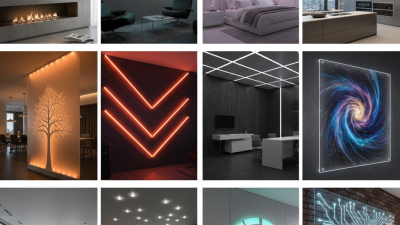
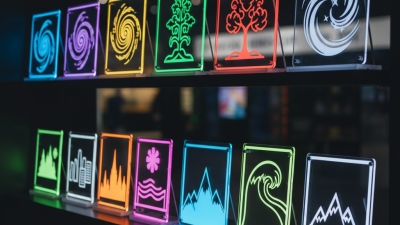
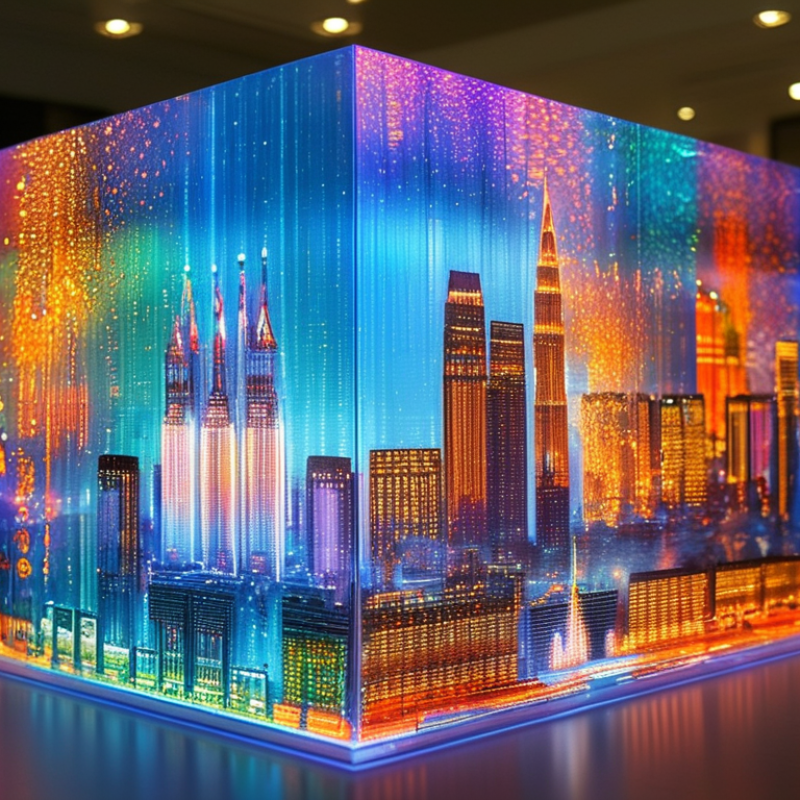
In recent years, the Acrylic Led Board has emerged as a popular choice for businesses worldwide. These boards combine vibrant illumination with modern design, making them ideal for various applications, from storefronts to event displays. Their versatility and energy efficiency make them a smart investment for both small and large enterprises.
As we approach 2026, global buyers are seeking innovative designs that stand out. The market trends indicate a shift towards more creative and personalized options. However, with so many choices available, it can be difficult to identify the right style for your needs. Reflecting on these developments, it’s important for buyers to balance aesthetics with functionality. While unique designs are exciting, practicality should not be overlooked.
Navigating this landscape requires understanding both design trends and manufacturing capabilities. The Acrylic Led Board must not only be visually appealing but also durable and reliable. Customers expect high-quality products that perform well over time. As we explore the top designs for 2026, the focus will be on blending artistry with effectiveness. Balancing these factors is key in making informed purchasing decisions.
Top Trends in Acrylic LED Board Designs for 2026
The acrylic LED board design market is evolving rapidly. In 2026, trends prioritizing sustainability are gaining traction. Data from industry reports indicate that 50% of consumers prefer eco-friendly materials. Designers are responding by using recycled acrylic in their creations. This not only minimizes waste but also enhances brand appeal. Such choices resonate with consumers who value environmental responsibility.
Color and illumination are critical aspects of modern designs. Reports highlight a shift toward warm-toned LEDs. These create inviting atmospheres, ideal for retail spaces. Additionally, interactive elements are becoming popular. Customers enjoy engaging with dynamic displays. This trend is expected to grow as technology advances.
However, challenges in production remain. Not all manufacturers meet high-quality standards. Some acrylic boards suffer from durability issues. This inconsistency can frustrate buyers. Understanding these pitfalls can help buyers make informed decisions. Exploring these aspects reveals a market rich with potential yet filled with areas for improvement.
2026 Top Acrylic Led Board Designs for Global Buyers
This chart illustrates the projected global demand for acrylic LED boards from 2023 to 2026, showcasing a significant increase as the market for innovative LED solutions grows.
Key Materials and Technology Advancements in Acrylic LED Boards
The acrylic LED board industry is witnessing significant advancements in materials and technology. According to a recent report by TechSci Research, the global acrylic LED market is expected to reach $3.5 billion by 2026, driven by the growing demand in advertising and retail sectors. One of the key innovations involves the development of anti-glare acrylic sheets. These sheets not only enhance visibility but also reduce eye strain for consumers.
Moreover, advancements in LED technology, such as the transition to energy-efficient SMD LEDs, are reshaping how acrylic boards are designed. These LEDs consume less power and provide greater brightness. A study from MarketsandMarkets predicts that energy-efficient LEDs will dominate the market, accounting for over 70% of total sales by the end of this decade.
Yet, it's important to consider potential environmental impacts. The production of acrylic materials often involves harmful chemicals. Industry leaders are beginning to address these concerns through research into biodegradable alternatives. This shift could improve sustainability in the manufacturing process, but it requires careful evaluation and testing. Ensuring a reduction of the carbon footprint remains an ongoing challenge for the industry.
Market Analysis: Global Demand for Acrylic LED Boards by Region
The global demand for acrylic LED boards is ever-increasing. Various regions show distinct preferences in design and functionality. North America leads in innovative designs, focusing on customization. Their market celebrates vibrant colors and interactive features. In contrast, Europe gravitates toward minimalism and energy efficiency.
Asia-Pacific countries are quickly gaining ground. They emphasize cost-effectiveness and practicality. Demand for large-scale displays grows, especially in urban centers. However, the challenge lies in maintaining quality amidst affordability. Some producers struggle with consistency in craftsmanship.
Understanding regional demands is crucial for manufacturers. Local trends influence design choices significantly. There is a continuous need for innovation while addressing cultural aesthetics. Evaluating market needs without bias proves essential. Quality must not be compromised, even in a competitive landscape. Investing in skilled craftsmanship and sustainable materials fosters trust. This balancing act is key for success.
Innovative Design Concepts in Acrylic LED Boards for Retail Spaces
Innovative design concepts in acrylic LED boards are transforming retail spaces. Stores are looking for unique displays to attract customers. Acrylic LED boards combine functionality with creativity. They can be customized to fit any theme or brand identity. Bright, dynamic visuals capture attention and enhance the shopping experience. Simple shapes can make complex ideas come to life. Customers appreciate displays that provoke thought and inspire.
To elevate your acrylic LED board design, consider color schemes carefully. Using contrasting colors can create visual interest. Keep the messaging clear and concise. A cluttered board can confuse rather than attract. Instead, focus on a single captivating idea. This approach helps strengthen your brand messaging. Experiment with different sizes and placements. Visibility is crucial, especially in busy retail environments.
Reflect on the effectiveness of your display. Are customers engaging with the board as intended? Gather feedback to improve your designs. This iterative process fosters better outcomes. Remember that innovation often comes from trial and error. Do not hesitate to make adjustments along the way. A well-thought-out acrylic LED board can significantly influence customer behavior and enhance sales.
Sustainability in Acrylic LED Board Production and Design Trends
Sustainability is becoming crucial in the production of Acrylic LED boards. More manufacturers are realizing the importance of eco-friendly methods. Using recycled materials is one way to create a positive environmental impact. This practice not only reduces waste but also lowers energy consumption during production.
Design trends in 2026 focus on minimalist aesthetics and functional designs. Buyers now prefer LED boards that integrate seamlessly into their environments. However, achieving this balance often presents challenges. Designers grapple with sourcing sustainable materials that align with modern aesthetics. It can be difficult to find the right balance between form and function while remaining environmentally responsible.
Technological advancements play a role in enhancing sustainability. Energy-efficient LED components have improved significantly in recent years. These components use less power and have a longer lifespan. However, some manufacturers still rely on traditional methods, which can be inconsistent. The need for innovation in sustainable practices is evident.



 Inquiry
 Email
Email WhatsApp