Top Tips for Effective Backlit Building Signage Solutions?
In today's competitive world, visibility is key. Backlit Building Signage plays a vital role in enhancing awareness and branding. These signs attract attention, especially during evening hours. When designed effectively, they can transform the appearance of a building.
Choosing the right materials and lighting is essential. Quality facades and illumination can make a striking difference. Too often, businesses overlook the importance of their signage. This can lead to missed opportunities and diluted brand identity. Striking a balance between aesthetic appeal and functionality poses challenges.
Consider the location and ambiance. The right sign can resonate with the community and enhance foot traffic. However, common mistakes include poor placement and subpar design choices. Reflecting on these aspects can lead to better decision-making. Effective Backlit Building Signage is not just about visibility; it's about creating a lasting impression.
Understanding the Importance of Backlit Signage in Building Design
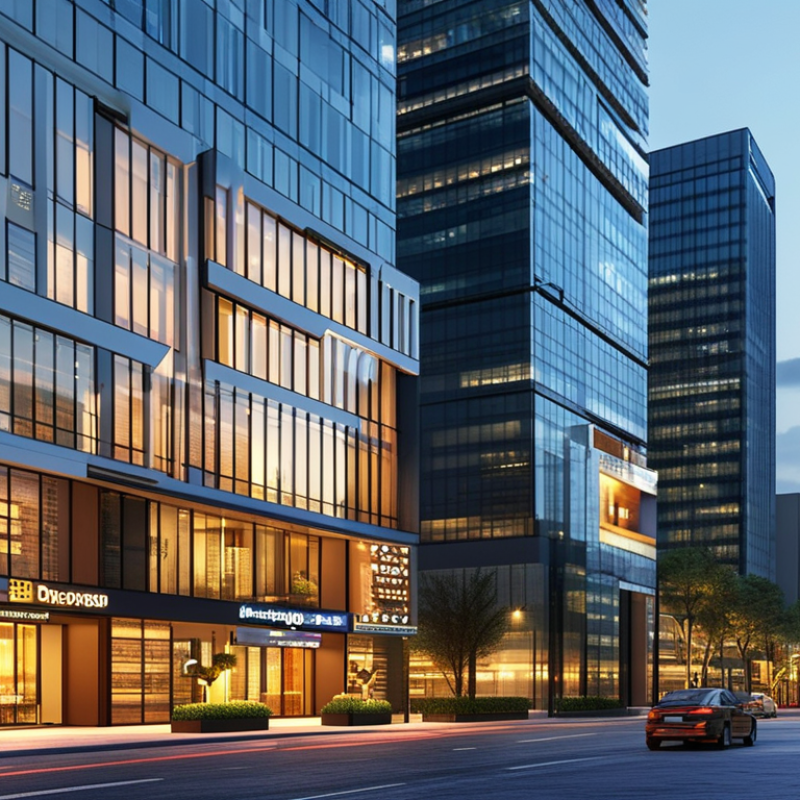
Backlit signage plays a vital role in modern building design. It enhances visibility and creates a welcoming atmosphere. Research indicates that 70% of consumers pay attention to signage, especially when illuminated. This makes backlit signs not just visually appealing but also crucial for drawing foot traffic.
The effectiveness of backlit signs is linked to their ability to stand out, particularly at night. A study by the Sign Research Foundation highlights that illuminated signs can boost brand recognition by 50%. This statistic underlines the necessity for businesses to invest in quality backlit solutions. However, challenges arise in balancing aesthetic appeal and functionality. Not all designs achieve this harmony; some may appear garish or distractive.
A thoughtful selection of materials and lighting techniques is essential. For instance, LED technology offers energy efficiency and brightness. Yet, the choice of light color can significantly influence the atmosphere. A warm hue might evoke comfort, while a cooler tone can signify professionalism. Designers should consider these nuances carefully. Effective backlit signage requires continuous evaluation and adaptation, as trends and consumer expectations evolve.
Choosing the Right Materials for Durable Backlit Signage Solutions
Choosing materials for durable backlit signage matters greatly. Quality impacts visibility and lifespan.
Acrylic and polycarbonate are popular options. Both are lightweight and weather-resistant. Acrylic typically offers a more polished look.
Polycarbonate withstands impact better, making it a reliable choice for high-traffic areas.
Think about the thickness of materials.
Thicker sheets provide added durability, especially in harsh environments.
Consider UV-resistant coatings to prevent color fading. These features enhance the sign's appearance over time. Reflect on your specific needs;
will the sign face heavy weather or direct sunlight?
Don't overlook installation methods.
The adhesive or mounting system affects longevity.
Choose materials that bond well with your signage. It’s essential to strike a balance between aesthetics and durability.
Regular maintenance can help extend the life of your signs too.
Are you prepared for that ongoing commitment?
Key Design Principles for Effective Backlit Building Signage
Backlit building signage serves as a vital communication tool for businesses. When designing effective signage, key principles must be considered. Clarity is paramount. Reports indicate that well-designed signage can enhance visibility by up to 45%. Simplicity in design ensures that your message reaches viewers quickly.
Color contrasts are crucial. A study shows that high contrast can increase readability by over 80%. For instance, white lettering on a dark background tends to stand out effectively. However, the choice of colors should reflect the brand's personality while ensuring legibility at a distance. Elements like font choice significantly affect viewer perception. Using overly intricate fonts may obscure the message.
Another important factor is the placement of the signage. Positioning should aim for maximum exposure. Studies show that strategically placed signs can increase foot traffic by up to 30%. As with any design, there may be trial and error involved in finding the best angle or height. Careful reflection on these aspects leads to a more effective signage strategy. Investing time in these design principles ultimately pays off in terms of visibility and brand recognition.
Top Tips for Effective Backlit Building Signage Solutions
Technical Considerations for Illuminating Backlit Signs Efficiently
When designing backlit building signage, technical considerations play a crucial role. Proper lighting enhances visibility and captures attention. Selecting the right materials is important. Materials should be durable and suitable for outdoor conditions. Acrylic is a common choice. It’s lightweight and offers excellent light diffusion. However, it can scratch easily, requiring careful handling.
The illumination method significantly affects the overall impact. LED lights are energy-efficient and long-lasting. They provide bright lighting without consuming much power. Positioning the lights is another key factor. Ensuring an even spread of light prevents dark spots. Testing different angles can lead to the best results. Sometimes, trial and error is necessary.
Power consumption plays a role in design. A well-planned system can reduce costs. However, achieving the desired brightness can be a challenge. It often requires balancing aesthetics with function. An overly bright sign can cause glare, distracting viewers. Regular maintenance is essential too. Dust and dirt can accumulate, affecting visibility. Reflecting on these aspects can lead to more effective signage.
Top Tips for Effective Backlit Building Signage Solutions
| Dimension |
Consideration |
Recommendation |
| Material |
Select UV-resistant materials |
Acrylic or polycarbonate |
| Lighting Type |
Choose between LED or fluorescent lights |
Opt for LED for energy efficiency |
| Brightness Level |
Ensure visibility from a distance |
Aim for 300-500 lumens per square foot |
| Color Temperature |
Select appropriate color temperature for brand |
Use between 3000K to 5000K |
| Installation Considerations |
Evaluate mounting options for stability |
Secure with proper hardware and support |
| Maintenance |
Account for easy access for replacements |
Design for accessibility during maintenance |
Maintaining and Upgrading Backlit Building Signage for Longevity
Backlit building signage can significantly enhance visibility and brand presence. However, maintaining and upgrading these installations is crucial for longevity. Research indicates that regular maintenance can extend the lifespan of signage by
20%, making it a worthwhile investment.
Proper cleaning is essential. Dust and grime can accumulate on light panels, muting brightness. Use mild cleaners and soft cloths to avoid damage. Consider professional maintenance at least once a year. This proactive approach can prevent costly repairs down the line.
Upgrading lighting technology is another effective strategy. Switching to energy-efficient LEDs can reduce energy costs by
up to 70%. LEDs also have a longer lifespan compared to traditional bulbs, with some lasting up to
25,000 hours. This shift not only improves sustainability but also enhances the overall appearance of the signage.
When planning upgrades, evaluate the signage's condition carefully. Look for wear and tear that could compromise visibility. Engage with professionals who can provide insights based on industry standards and trends. Proper upgrades can turn an aging sign into a vibrant marketing tool.



 Inquiry
 Email
Email WhatsApp