Leave Your Message

How to Choose the Best Business Wall Sign in 2026?

Choosing the best Business Wall Sign in 2026 requires more than selecting attractive letters and colors. It demands evidence, practical judgment, and a clear understanding of customer behavior. The Sign Research Foundation’s Economic Value of On-Premise Signage study found that effective signs can increase sales, transactions, and customer visits. A widely cited FedEx Office survey also reported that 76% of consumers had entered a store because of its sign. These figures are older, so they should not be treated as universal 2026 predictions. Still, they reveal an important pattern: your wall sign works before your staff says a word.

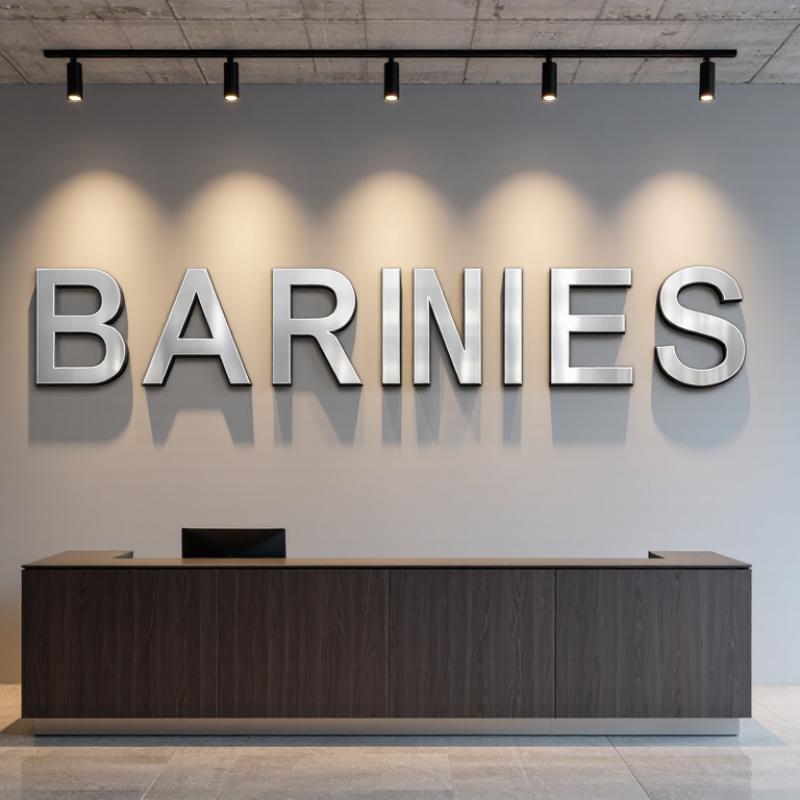
International Sign Association CEO David Hickey has described signage as “a critical component of the built environment.” That idea matters inside offices, retail stores, clinics, hotels, and restaurants. A polished acrylic logo above a reception desk can establish confidence. A poorly spaced sign can make the same room feel temporary. Materials, viewing distance, lighting, wall texture, and accessibility all influence the result. Small details matter.

This guide examines how to compare size, typography, finishes, illumination, installation methods, and long-term maintenance. It also considers energy use and changing customer expectations. The cheapest option may not be the most economical. A bright sign can attract attention, but excessive glare may weaken readability. There is no perfect formula. The strongest decision usually comes from measuring the wall, studying the audience, reviewing credible supplier samples, and testing the design before production.

How to Choose the Best Business Wall Sign in 2026?

Understanding Business Wall Sign Types and Their Purposes

How to Choose the Best Business Wall Sign in 2026?

Understanding Business Wall Sign Types and Their Purposes

Wall signs are not one category. Each type answers a different visibility problem. Fascia signs sit above entrances and identify the business from a distance. Projecting signs face pedestrians moving along sidewalks. Dimensional letters add shadows and depth to plain walls. Illuminated cabinets improve visibility after sunset. Wayfinding panels guide visitors through larger properties. Purpose must lead design.

A national KRC Research survey of 1,000 U.S. adults found that 76% entered a store after noticing its sign. The same research reported that 68% viewed signage as evidence of business quality. A University of Cincinnati Economic Center report found that 60% of surveyed businesses reported sales increases after installing new signs, averaging about 10%. These figures support signage investment, but they are not guarantees.

Choose the sign after studying the viewing distance, traffic direction, wall texture, and daylight conditions. Dark letters may disappear on brick. Glossy surfaces can create harsh glare at noon. A projecting sign may work better than a flat panel on a narrow street. Check mounting height, contrast, lighting, and local installation requirements. A sign can look excellent and still be difficult to read. That mistake is common. Measure from the customer’s eye line, not from the designer’s desk.

How to Choose the Best Business Wall Sign in 2026? - Understanding Business Wall Sign Types and Their Purposes

Business Wall Sign Comparison Guide
Sign Type Primary Purpose Common Materials Typical Depth Lighting Options Best Location Weather Suitability Relative Cost Best For
Dimensional Letters Creating a professional, three-dimensional business identity Acrylic, aluminum, stainless steel, PVC, or painted metal 25–150 mm Unlit, front-lit, halo-lit, or combination lighting Exterior façades, reception walls, and lobby feature walls Good to excellent with exterior-rated materials and finishes Medium to high Corporate offices, professional services, retail, and hospitality
Flat Panel Sign Displaying clear business information, operating hours, or directional messaging Aluminum composite panel, acrylic, PVC, or high-pressure laminate 3–10 mm Usually unlit; optional surface-mounted illumination Exterior walls, entrances, corridors, and tenant directories Good when printed graphics are UV- and weather-resistant Low to medium Small businesses, offices, clinics, schools, and service locations
Acrylic Wall Sign Providing a clean, modern, and lightweight branded display Clear, frosted, tinted, or opaque acrylic 3–20 mm Non-illuminated, edge-lit, or backlit Interior reception areas, meeting rooms, and retail walls Moderate outdoors; prolonged sunlight may cause fading or brittleness Low to medium Modern offices, salons, boutiques, studios, and reception areas
Metal Sign Delivering a durable, premium, and long-lasting wall display Aluminum, stainless steel, galvanized steel, or brass 1–6 mm panel; raised letters may be deeper Usually unlit; optional halo or external lighting Exterior façades, industrial facilities, offices, and entrance walls Excellent when corrosion-resistant metal and protective coatings are used Medium to high Industrial, architectural, luxury, and high-traffic environments
Wood Sign Adding warmth, craftsmanship, and a natural visual character Hardwood, plywood, reclaimed wood, or wood-look composite 10–40 mm Generally unlit; optional external spotlighting Interior feature walls, covered entrances, cafés, and reception areas Limited to good depending on sealing, drainage, and exposure Medium Restaurants, cafés, salons, craft businesses, and hospitality venues
Illuminated Cabinet Sign Maximizing visibility during evening hours and from a distance Aluminum cabinet, polycarbonate face, acrylic face, and LED modules 100–250 mm Internal LED illumination; face-lit or dual-sided configurations Exterior façades, shopping areas, roadside properties, and entrances Excellent when the enclosure and electrical components are outdoor-rated High Businesses operating after dark or located near busy roads
Halo-Lit Sign Creating an upscale appearance with subtle nighttime illumination Fabricated metal, acrylic, or dimensional stainless-steel letters 40–120 mm LED light projected behind letters onto the wall Exterior entrance walls, hotel lobbies, offices, and premium retail Good to excellent with sealed, outdoor-rated components High Luxury, hospitality, professional, and architectural applications
Window or Wall Vinyl Graphics Communicating promotions, opening information, or temporary messages Pressure-sensitive vinyl film and removable adhesive graphics Less than 1 mm Not illuminated; benefits from ambient or external lighting Windows, smooth interior walls, temporary displays, and retail spaces Good for short- to medium-term outdoor use with suitable vinyl Low Promotions, seasonal campaigns, pop-up locations, and budget-conscious displays
Digital Display Sign Rotating messages, menus, schedules, promotions, and real-time information LED or LCD display, metal enclosure, glass, and control hardware 60–150 mm, excluding mounting hardware Built-in LED or LCD backlighting Interior walls, lobbies, reception zones, menus, and information areas Model-dependent; outdoor installations require weather-rated equipment High to very high Restaurants, healthcare, education, transport, and high-update environments
Selection note: Actual cost, durability, permitted dimensions, mounting method, and illumination requirements vary by sign size, material, local building codes, electrical regulations, wall condition, and installation environment.

Defining Your Brand, Location, Size, and Visibility Requirements

How to Choose the Best Business Wall Sign in 2026?

Your wall sign should define the business before customers read every word. Use your main color, one clear typeface, and a simple symbol. Avoid copying every element from your website. Walls have different viewing distances. A sign that looks elegant indoors may disappear beside a busy road. The FedEx Office and Harris Interactive survey found that 76% of consumers had entered a business because of its sign. It also reported that 68% viewed signage as a quality indicator. Those figures remain useful, although the survey is older and consumer habits have changed.

Location sets the design rules. Measure the wall, sidewalk, parking area, and driver approach. Record shadows at different times. A north-facing wall may need stronger contrast during cloudy afternoons. Choose a size that matches reading distance, not personal preference. The Sign Research Foundation’s Economic Value of On-Premise Signs report found that sign improvements can create measurable sales gains, but results vary by visibility, traffic, and business type. Bigger is not always better. I have seen oversized lettering weaken an otherwise professional storefront.

Tips: Sketch the sign from across the street. Test it in daylight and after sunset. Keep the viewing message short. Ask three unfamiliar people what they notice first. If they remember the color but miss the business name, revise the hierarchy. Check mounting conditions, lighting limits, and local approval requirements before production. Do not assume a digital mockup shows real brightness. Physical samples reveal awkward reflections, weak contrast, and disappointing materials.

Comparing Sign Materials, Lighting Options, and Durability

How to Choose the Best Business Wall Sign in 2026?

Material choice controls more than appearance.

Aluminum resists rust and keeps its shape outdoors. Acrylic creates a clean, glass-like face, but hard impacts can cause cracks. PVC costs less, yet prolonged sunlight may fade or warp it. For coastal buildings, powder-coated aluminum is usually the safer investment. Still, no material is maintenance-free.

Lighting changes both visibility and operating cost.

The U.S. Department of Energy reports that LED lighting uses at least 75% less energy than incandescent lighting and can last up to 25 times longer. The agency’s commercial lighting guidance also supports LEDs for lower replacement frequency. The U.S. Energy Information Administration’s Commercial Buildings Energy Consumption Survey found lighting used about 17% of commercial building electricity. That figure makes efficient illumination worth examining.

Warm white light can feel welcoming. Cool white light often improves sharpness, but may look harsh on metal faces.

Tips:

Request an IP-rated enclosure, sealed wiring, and a written warranty. Ask for a night-time viewing test from the sidewalk. Check brightness at eye level, not only in a showroom. A dimmer sign may be more readable than an overly bright one.

I once preferred maximum brightness, but glare reduced legibility. That assumption needed correction. Also inspect mounting points, drainage paths, and access for future repairs. A beautiful sign becomes expensive when technicians must remove the entire wall panel.

Checking Local Regulations, Accessibility, and Installation Conditions

How to Choose the Best Business Wall Sign in 2026?

Checking Local Regulations, Accessibility, and Installation Conditions

A wall sign should fit the building and the rules around it. Local requirements may control its size, lighting, projection, materials, and placement. Check municipal sign codes before ordering anything. Ask the planning office whether a permit, landlord approval, or neighborhood review is required. Rules can differ between streets, districts, and building types.

Accessibility deserves equal attention. Keep entrances, ramps, sidewalks, and tactile features clear. A sign should not create a low obstacle or reduce visibility near a doorway. Avoid sharp edges and poorly placed supports. Review local accessibility standards with a qualified professional, because measurements and requirements vary by location. Small errors can create expensive changes later.

Installation conditions matter more than attractive drawings. Inspect the wall for cracks, moisture, insulation, and hidden electrical lines. Brick, concrete, and cladding need different anchors. Wind exposure also affects the fixing method, especially on taller buildings. Confirm the sign’s weight and power needs before installation. Use a licensed installer where local rules require one.

Do not trust appearance alone.

A neat concept can fail on site. I would leave room for honest revision after the wall inspection. Test visibility from the pavement, at night, and from a wheelchair user’s eye level. That practical check may reveal problems that a desktop design misses. Keep permits, measurements, material details, and installer records together for future maintenance.

Evaluating Costs, Suppliers, Maintenance, and Long-Term Value

How to Choose the Best Business Wall Sign in 2026?

A strong wall sign should fit your budget, building, and customer traffic. Compare the full cost, not only the quoted price. Include design, permits, installation, wiring, delivery, and future repairs. A cheaper sign may use weaker materials or limited lighting components. That difference becomes expensive after several seasons. Ask suppliers for itemized quotes, production samples, installation photos, and clear warranty terms. Verify their experience with similar wall surfaces and sign sizes. Reliable suppliers explain limitations instead of promising everything.

Maintenance affects long-term value. Choose weather-resistant finishes, sealed electrical parts, and accessible service panels. Ask how often cleaning, lighting checks, and fastener inspections are needed. A practical sign should remain readable from the street at night. It should also avoid excessive brightness that may disturb nearby properties. Even careful estimates can miss hidden wall damage. Leave a contingency budget. That is not wasteful. It is realistic planning.

Tips: Request two or three detailed proposals. Check references from businesses with similar exposure and operating hours. Confirm who handles repairs after installation. Calculate annual cost by dividing the purchase, installation, and expected maintenance expenses by the sign’s usable years. Review the sign after heavy rain, strong wind, or renovation work. Small cracks can become larger failures. Reflect on visibility, too; a beautiful sign that drivers cannot read has limited business value.