How to Choose the Right Illuminated Building Signs for Your Business?
Choosing the right Illuminated Building Signs can greatly impact your business's visibility and success. According to a study by the International Sign Association, 76% of consumers enter a store they have never visited before due to its signage. This highlights the importance of well-designed illuminated signs.
John Smith, a branding expert and consultant, emphasizes this point: "Illuminated Building Signs serve as a beacon for attracting customers." Businesses often overlook how their signage reflects their brand identity. Poor choices can lead to a negative impression.
When selecting illuminated signs, consider size, design, and location. These factors can affect visibility. A lack of attention to detail may result in missed opportunities for customer engagement. Striking the right balance between aesthetics and function is crucial. Consider feedback from your target audience to ensure effectiveness.
Factors to Consider When Selecting Illuminated Building Signs
When selecting illuminated building signs, several factors come into play. Consider the visibility of your sign. It should be legible from a distance, even at night. The font size and style matter significantly. A complex font can make your message hard to read. Simplicity often brings clarity, and clarity attracts attention.
Another important aspect is the location of your sign. Is it facing a busy street or tucked away in a corner? High-traffic areas demand eye-catching designs. But what about color? Bright colors stand out but can clash with your brand identity. Balance is crucial here. The materials also deserve attention. Do they resist weather conditions? Durability affects your sign's lifespan and overall effectiveness.
Remember to think about your target audience. What do they find appealing? A sign that resonates with your customer base draws more attention. Sometimes, less is more; an overcrowded sign can confuse onlookers. Reflecting on these elements can enhance your decision-making process. The goal is to create a lasting impression that aligns with your brand vision.
Types of Illuminated Signs Available for Businesses
When selecting illuminated building signs for your business, it's crucial to understand the types available. Channel letters are popular options. They offer three-dimensional appeal and can be lit from within. This method enhances visibility at night. However, they can be more expensive to produce.
Another option is cabinet signs. These signs use a flat surface with illuminated graphics. They're often less costly and can cover large areas. Keep in mind they can look flat during the day. Neon signs are also memorable. Their bright colors attract attention. Yet, they might not be suitable for all environments due to their vintage vibe.
Lastly, LED displays provide real-time updates. They're dynamic and engaging, perfect for promotions. However, they can be overly bright and distracting if not designed well. It's essential to consider all these facets when choosing an illuminated sign. Think about your brand message and how the sign represents it. Lighting style should reflect your business personality, yet be cautious of going overboard.
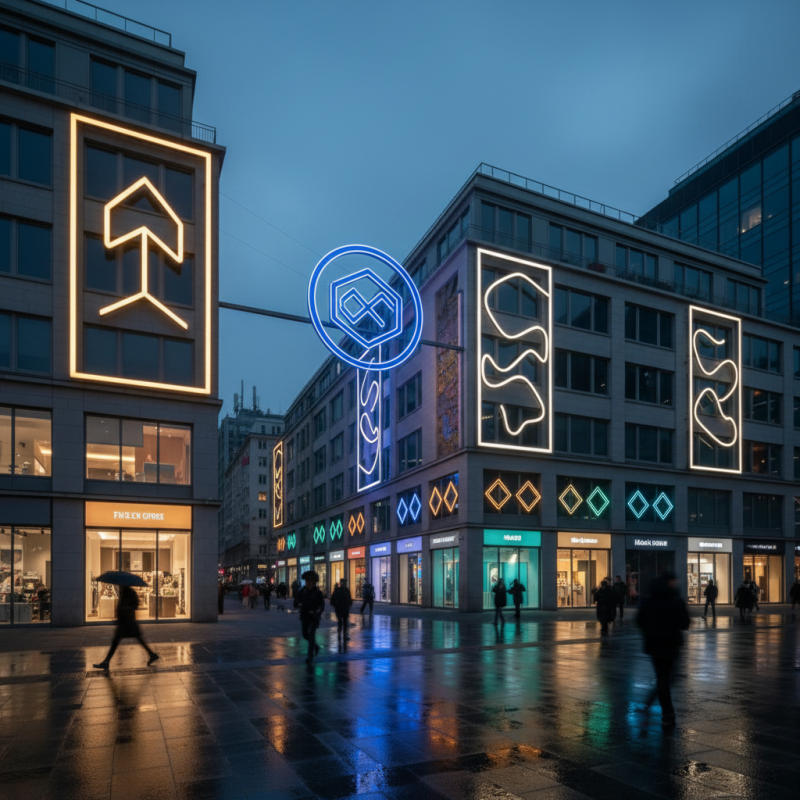
Types of Illuminated Building Signs for Businesses
Assessing Your Brand Identity in Signage Design
When designing illuminated building signs, your brand identity plays a crucial role. A sign should reflect the essence of your business. Consider your brand’s personality. Is your brand modern or traditional? Bold or subtle? The design must communicate your message clearly. Think about colors and fonts that align with your brand's style. They can evoke emotions and create connections.
Take a moment to assess your target audience. What do they expect from your brand? Are they looking for luxury, comfort, or vibrancy? Using the right elements in your signage will attract the right customers. It’s not just about beauty; functionality also matters. Ensure your sign is easy to read from a distance.
Reflect on past designs. Did they truly represent your brand? Maybe you chose colors that were too bright or fonts that were hard to read. It's essential to learn from these experiences. Don’t hesitate to seek feedback from others. Sometimes, a fresh perspective can uncover what you might have missed. Focus on creating a sign that resonates with both your identity and audience expectations.
Understanding Local Regulations and Signage Guidelines
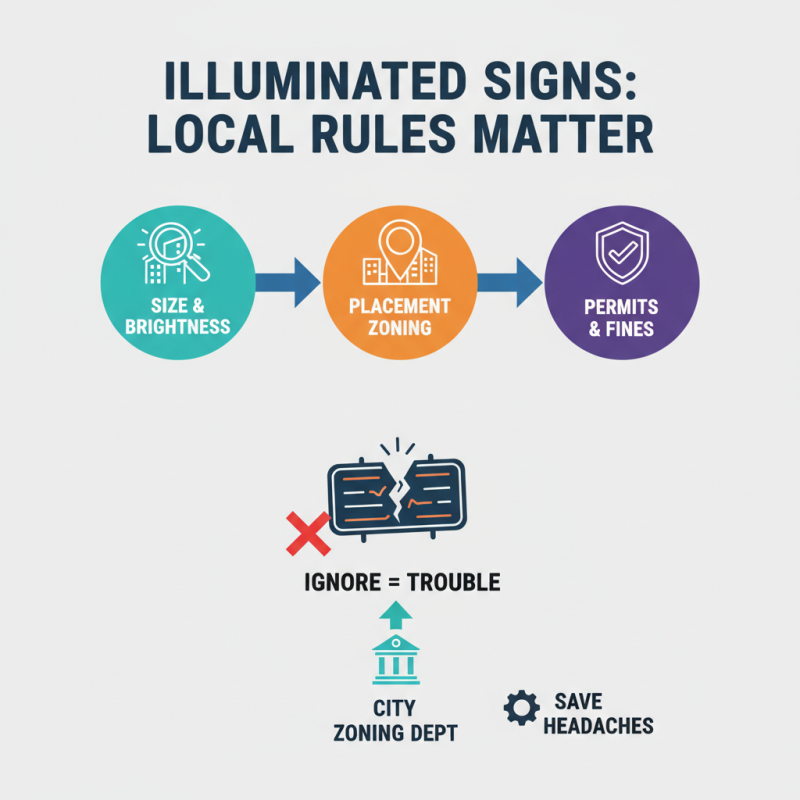
When choosing illuminated building signs, understanding local regulations is crucial. Each area has specific guidelines regarding size, brightness, and placement. Ignoring these can lead to fines or removal of your signs. Start by consulting your city’s zoning department for clarity. This will save you headaches down the road.
Tips: Keep your design simple. Complex signs may lead to compliance issues. Also, consider the hours your business operates. If you plan on having your sign lit at night, ensure it adheres to local lighting standards.
Remember to evaluate the materials used in your signage. Some materials may be restricted due to safety concerns. Lightweight options are often preferred but may have durability issues. Spending time reviewing regulations is essential to avoid costly mistakes. Ensure your sign reflects both creativity and compliance.
Budgeting for Your Illuminated Signage Project
Budgeting for illuminated signage can be challenging. Many businesses often underestimate the costs involved. According to industry reports, illuminated signs can range from $2,000 to $10,000 or more. This price variation largely depends on size, design, materials, and installation.
When planning the budget, consider not just the upfront costs. Maintenance and energy consumption also play a crucial role. Illuminated signs consume electricity, which can add up over time. Reports suggest that an average illuminated sign might cost anywhere from $100 to $500 annually in electricity. It's important to factor in these ongoing costs to avoid surprises later.
Additionally, quality matters. Cutting corners on materials can lead to early failure. A poorly made sign may require frequent repairs. This not only disrupts visibility but can also lead to lost sales. Investing in a durable sign from the start is often more economical. A thoughtful budget can create a balance between quality and cost, ensuring the sign serves its purpose effectively.
How to Choose the Right Illuminated Building Signs for Your Business? - Budgeting for Your Illuminated Signage Project
| Sign Type |
Materials |
Average Cost ($) |
Durability (Years) |
Brightness Level (nits) |
| LED Channel Letters |
Aluminum, Acrylic |
1500 - 3000 |
5 - 10 |
300 - 500 |
| Neon Signs |
Glass Tube, Neon Gas |
2000 - 4000 |
8 - 12 |
100 - 200 |
| Lightbox Signs |
Acrylic, PVC |
1000 - 2500 |
3 - 7 |
200 - 300 |
| Projection Signs |
Metal, Plastic |
1200 - 2800 |
4 - 8 |
150 - 250 |
| Illuminated Posters |
Plastic, Paper |
300 - 1000 |
2 - 5 |
100 - 150 |



 Inquiry
 Email
Email WhatsApp