How to Choose Effective Medical Office Signs for Better Patient Communication
In today's healthcare environment, effective patient communication is essential to providing quality care and enhancing patient experiences. One often overlooked aspect of this communication is the use of "Medical Office Signs." These signs play a crucial role in guiding patients through the healthcare facility, helping them easily navigate complex environments. They serve not only as directional aids but also convey important information about services, hours of operation, and safety protocols.
Selecting the right Medical Office Signs involves understanding the unique needs of patients and the specific context of the medical practice. Clear, easily readable signs can significantly reduce confusion and anxiety that patients might feel when visiting a healthcare facility. Additionally, thoughtful signage can reflect the professionalism and attentiveness of the medical staff, fostering a welcoming atmosphere for patients.
As healthcare providers strive to enhance their patient communication strategies, investing in effective Medical Office Signs becomes a vital component. This choice can lead to improved patient satisfaction, better navigation, and ultimately contribute to a more positive overall experience in medical settings.
Importance of Clear Signage in Medical Offices for Patient Engagement
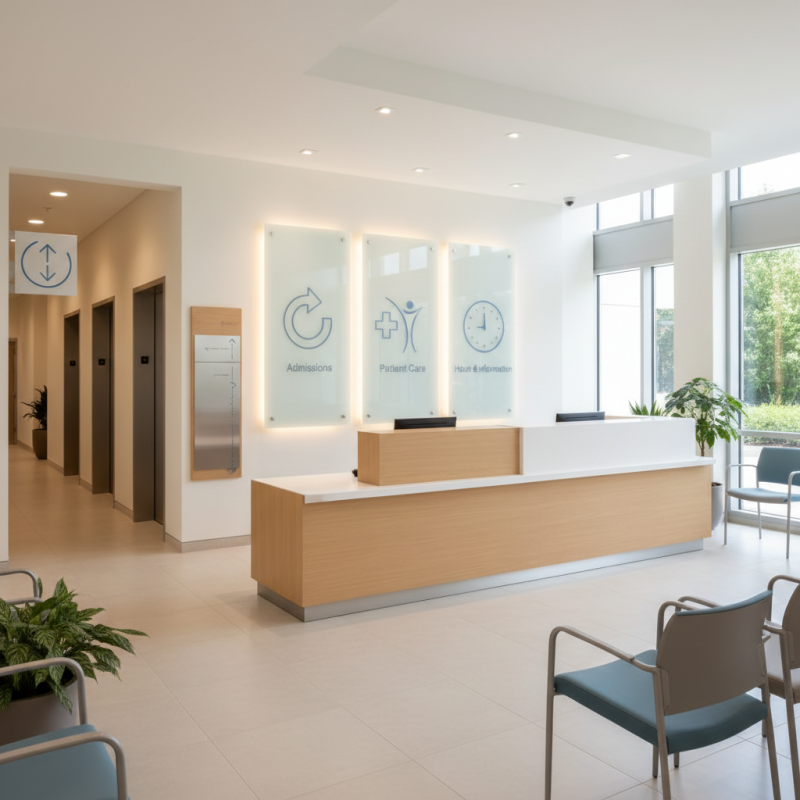
Clear signage in medical offices plays a critical role in enhancing patient engagement and overall experience. When patients visit a healthcare facility, they often face a multitude of emotions and stresses. Clear and intuitive signs can help to alleviate confusion, directing patients smoothly through their visit. This visually impactful communication not only assists in navigating different areas of the office but also conveys professionalism and care, contributing to a positive atmosphere.
To implement effective signage, consider these tips:
First, use simple language and universally recognized symbols to ensure that all patients, regardless of language or literacy level, can understand the signs. Avoid using medical jargon or complicated terms. Second, ensure that the text is legible by choosing fonts that are easy to read from a distance, and use contrasting colors that stand out against the background. Finally, guide patients through their journey by providing directional signs at key points, such as waiting areas and examination rooms, which support a cohesive flow within the office.
Incorporating these strategies not only enhances patient communication but also fosters trust and confidence in the healthcare environment. By prioritizing clear and effective signage, medical offices can further engage patients, making their experience as seamless and reassuring as possible.
Types of Medical Office Signs: Directional, Informational, and Regulatory
When it comes to creating an inviting and informative atmosphere in a medical office,
the types of signs utilized are paramount. Directional signs play a crucial role in
guiding patients through the often complex layouts of healthcare facilities.
These signs should be strategically placed to lead individuals to important areas such as
waiting rooms, consultation offices,
and restrooms. Clear, concise language and
universally recognizable symbols can alleviate confusion and enhance the overall patient experience.
Informational signs are equally essential, as they provide
necessary details about procedures, office policies, and services offered.
Well-designed informational signs can communicate vital information about
appointments, insurance coverage,
and patient rights, fostering a sense of transparency and trust.
It's important for these signs to be easy to read, with clear fonts and contrasting colors that ensure visibility from a distance.
Regulatory signs serve to inform patients about essential health and safety regulations
within the medical office. These signs may include instructions regarding
mask-wearing, hand sanitizing stations,
and emergency exits. Ensuring compliance with health regulations through effective signage not only improves communication
but also reassures patients about their safety and well-being while receiving care.
Best Practices for Designing Medical Office Signs to Enhance Clarity
When designing signs for a medical office, clarity should always be the primary focus. Signage should utilize simple language and universally understood symbols to ensure that patients of diverse backgrounds and language proficiencies can easily comprehend the information presented. Utilizing high-contrast colors can also enhance readability, with dark text on a light background or vice versa being the most effective. Fonts should be large and legible, avoiding overly stylized typefaces that may confuse or mislead.
In addition to language and design, the strategic placement of signs is essential for guiding patients smoothly through their visit. Signs should be positioned at eye level, particularly at decision points such as hallways or waiting areas. It is also beneficial to incorporate directional arrows and positive cues that not only inform but also reassure patients about where they need to go. Regularly evaluating and updating signage based on patient feedback can help maintain clarity and effectiveness, ultimately fostering a more welcoming and organized medical environment for everyone.
Impact of Well-Designed Signs on Patient Satisfaction and Navigation
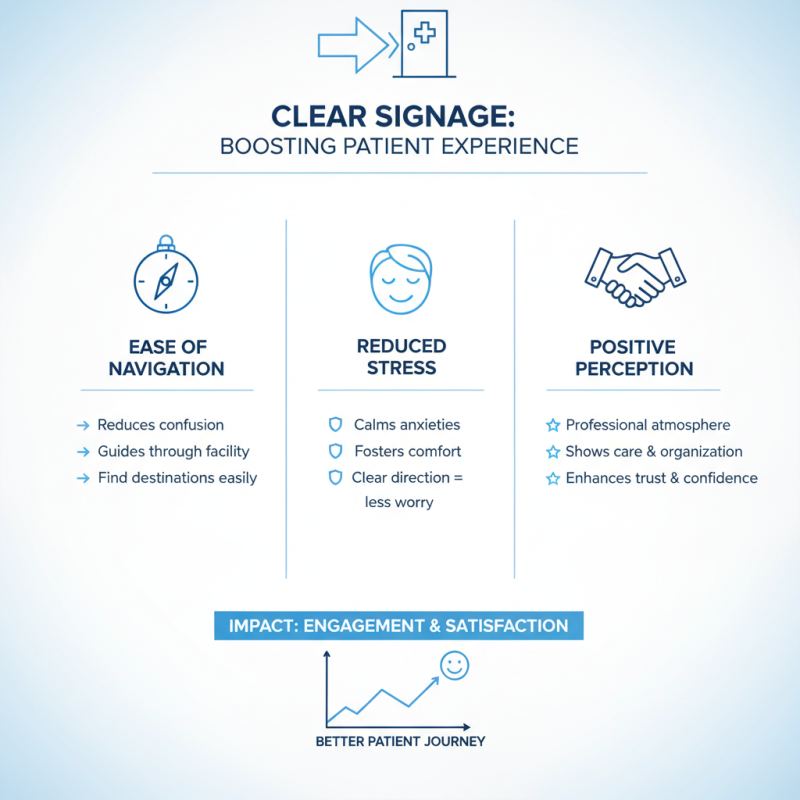
The impact of well-designed signs in medical offices extends beyond mere aesthetics; they play a crucial role in enhancing patient satisfaction and ensuring smooth navigation within healthcare facilities. Well-crafted signage can significantly reduce confusion in high-stress environments, allowing patients to locate departments, exam rooms, and restrooms quickly. Clear and informative signs help manage patient flow by directing individuals to the appropriate areas, ultimately leading to a more efficient healthcare experience.
Moreover, the psychological benefits of effective signage contribute to an overall improvement in patient satisfaction. When patients feel at ease navigating the facility, their stress levels can decrease, fostering a more positive outlook during their visit. Signs that incorporate readable fonts, clear icons, and appropriate colors can effectively communicate critical information, making it easier for patients of all ages and backgrounds to understand their surroundings. This thoughtful approach to design not only demonstrates a commitment to patient care but also enhances the overall perception of the healthcare provider, encouraging repeat visits and compliance with medical recommendations.
Impact of Medical Office Signs on Patient Satisfaction
Regulatory Compliance: ADA Standards for Medical Office Signage
When designing medical office signs, adherence to the Americans with Disabilities Act (ADA) standards is crucial for fostering inclusive environments. The ADA outlines specific guidelines for signage to ensure that individuals with disabilities can easily navigate medical facilities. This includes requirements for font size, contrast, and tactile elements, which all contribute to a more accessible experience for patients with visual impairments or other disabilities. For example, signs should feature a minimum character height of 5/8 inch for lowercase letters and be placed at a height that is easily reachable for all individuals.
Furthermore, effective signage should incorporate consistent design elements, such as color schemes and symbols, which enhance recognition and comprehension. Utilization of universal symbols, in accordance with ADA recommendations, can effectively convey important information, such as restrooms and emergency exits. Additionally, signs need to be positioned with consideration for sightlines and the layout of the facility, ensuring that they are easy to find and read. By prioritizing these ADA standards in the design of medical office signage, healthcare providers not only comply with regulatory requirements but also significantly improve communication and accessibility for all patients, creating a welcoming and supportive environment.



 Inquiry
 Email
Email WhatsApp