How to Choose the Best Acrylic Signage for Your Business?
Choosing the right Acrylic Signage can significantly impact your business’s visibility. This type of signage is versatile and can suit various branding needs. Acrylic signs come in different shapes, sizes, and colors, offering numerous possibilities for your business identity.
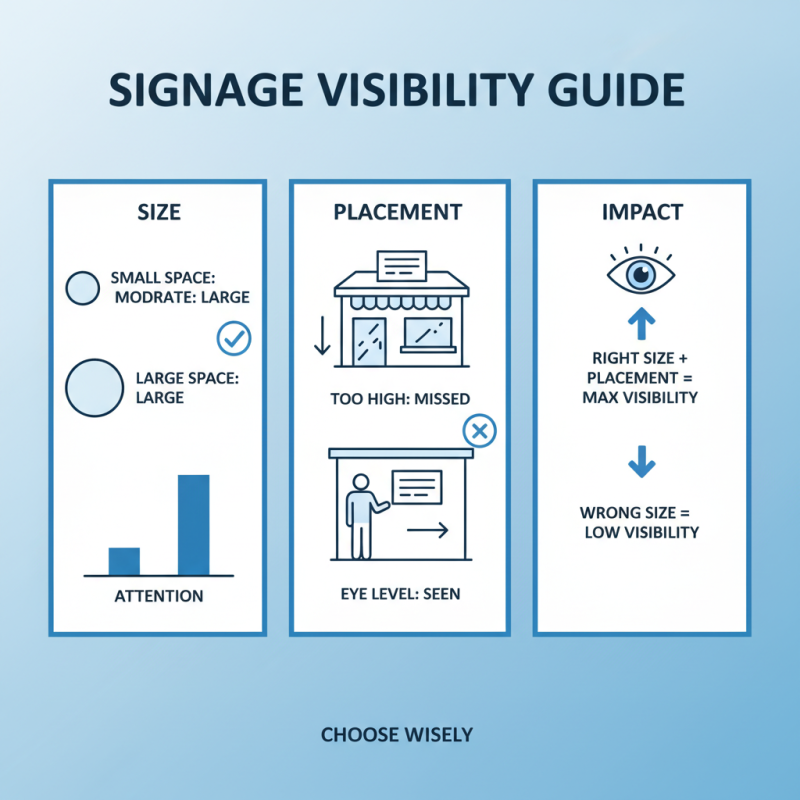
When selecting Acrylic Signage, consider the design and purpose. A well-crafted sign should quickly convey your message. Clarity is vital, especially in busy environments. If your sign is too complex, it may confuse potential customers. Choosing the right location for installation is also crucial, as visibility can enhance your brand’s presence.
Reflect on the materials and printing techniques used for your signage. Quality matters, and it affects longevity. Acrylic can fade or crack if not properly cared for. Evaluate your options carefully to ensure you make an informed decision. The right choice will not only attract customers but also reflect the professionalism of your business.

Understanding the Basics of Acrylic Signage for Business Use
Acrylic signage has become a popular choice for businesses due to its durability and versatility. It is lightweight and resistant to weather conditions, making it ideal for both indoor and outdoor use. According to a recent industry report, acrylic signs can last up to ten years with proper care, providing long-term value for businesses.
One important factor to consider is clarity. Acrylic can be produced in various thicknesses, typically ranging from 1/8 inch to 1 inch. Thicker options tend to be more durable but can also increase costs. You should evaluate your budget against your need for durability and visual appeal.
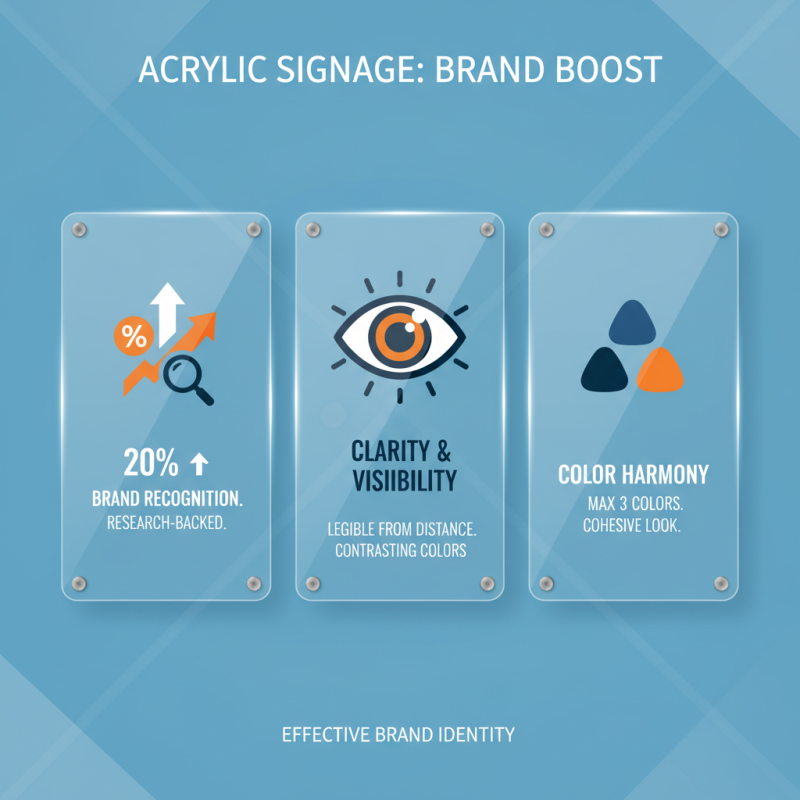
When selecting acrylic signage, it’s helpful to think about your target audience. For example, color contrasts can enhance readability. A study shows that signs with high contrast increase visibility by 70%. This simple adjustment can significantly impact customer engagement.
Tips: Always consider the lighting in your space. Poor lighting can make even the best sign hard to see. Additionally, research local regulations regarding signage. These rules can affect the size and placement of your acrylic signs.
Evaluating Different Types of Acrylic Materials for Durability and Look
When selecting acrylic signage for your business, understanding the various types of acrylic materials is crucial. Different grades of acrylic can significantly impact both durability and appearance. For example, cast acrylic is known for its optical clarity and strength. According to a report by the Plastics Industry Association, cast acrylic can withstand impacts up to 10 times more than glass. However, it may be more susceptible to scratches compared to extruded acrylic.
Extruded acrylic, on the other hand, is lightweight and less expensive. It's ideal for creating vibrant signs with intricate designs. However, it may not offer the same level of durability as cast acrylic. A study from the American Society for Testing and Materials shows that extruded acrylic tends to degrade faster under UV light exposure. This factor can affect long-term aesthetics if your signage is displayed outdoors.
Investing time in evaluating the type of acrylic used in your signage can lead to better decision-making. Consider your business’s specific needs. Reflect on where the signage will be placed and its intended lifespan. These elements can guide you to choose the best material. Don't overlook the importance of aesthetics; the right choice can elevate your brand's image effectively.
How to Choose the Best Acrylic Signage for Your Business?
| Acrylic Type |
Durability |
Transparency |
Appearance |
Common Uses |
| Cast Acrylic |
High durability, resistant to scratches |
Excellent transparency |
Smooth finish, high clarity |
Interior and exterior signage |
| Extruded Acrylic |
Moderate durability, weaker than cast |
Very good transparency |
Smooth, less glossy than cast |
Indoor applications, lighted signage |
| Impact-Resistant Acrylic |
High impact resistance, very durable |
Good transparency |
Clear, good optical clarity |
Signs in high-traffic areas |
| Colored Acrylic |
Varies by type, generally durable |
Varies, often more opaque |
Vivid colors, glossy finish |
Decorative signs, branding |
| Frosted Acrylic |
Good durability, resistant to scratching |
Translucent, allows some light |
Matte finish, elegant look |
Office signs, privacy screens |
Budgeting for Acrylic Signage and Exploring Potential Vendors
When budgeting for acrylic signage, consider all costs involved. Direct materials, design fees, and installation are key areas. Companies often underestimate the price. A report by IBISWorld indicates that signage revenue has shown a steady growth of around 3% annually, highlighting its importance for brand visibility.
Choosing potential vendors can be daunting. Look for those who offer custom solutions. Request quotes to compare prices efficiently. A reliable vendor will provide transparent pricing. The average cost for acrylic signage ranges from $100 to $3,000, depending on size and complexity. It's crucial to ensure quality matches your budget.
Tips for choosing a vendor: Ask for samples. This helps gauge material quality and durability. Don’t rush into decisions. Take time to review proposals carefully. Avoid the temptation to go with the lowest price. Often, you get what you pay for. Quality should be a priority over budget constraints.



 Inquiry
 Email
Email WhatsApp