China Top Metal Building Signs What You Need to Know?
In the world of construction and branding, "Metal Building Signs" play a vital role. These signs not only guide visitors but also reflect a company’s identity. According to Dr. Helen Zhao, an expert in sign manufacturing, "Metal signs can convey a sense of permanence and trust." This perspective emphasizes their importance in today's competitive landscape.
Unlike other materials, metal offers durability and a professional appearance. However, businesses often overlook the selection of appropriate designs and placements. This can lead to ineffective signage that fails to communicate the intended message. A well-designed Metal Building Sign should be simple yet impactful, ensuring visibility from a distance.
Yet, the industry faces challenges. As trends evolve, some companies may resist change, sticking with outdated designs. This reluctance can hinder their branding efforts. Reflection on past mistakes can guide better choices, ultimately enhancing visibility and customer engagement through effective Metal Building Signs.
Understanding Metal Building Signs in China
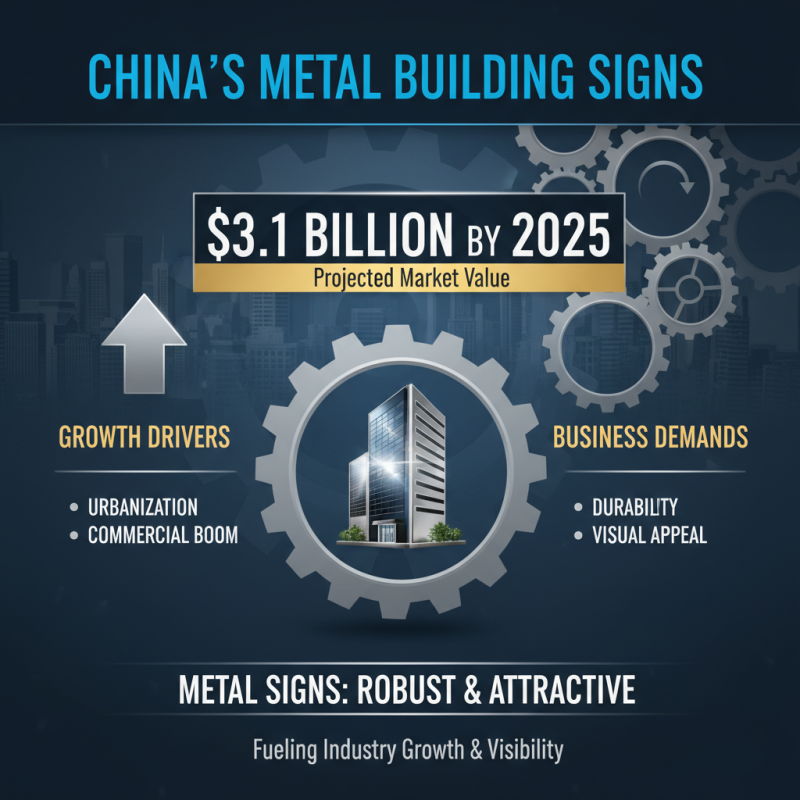
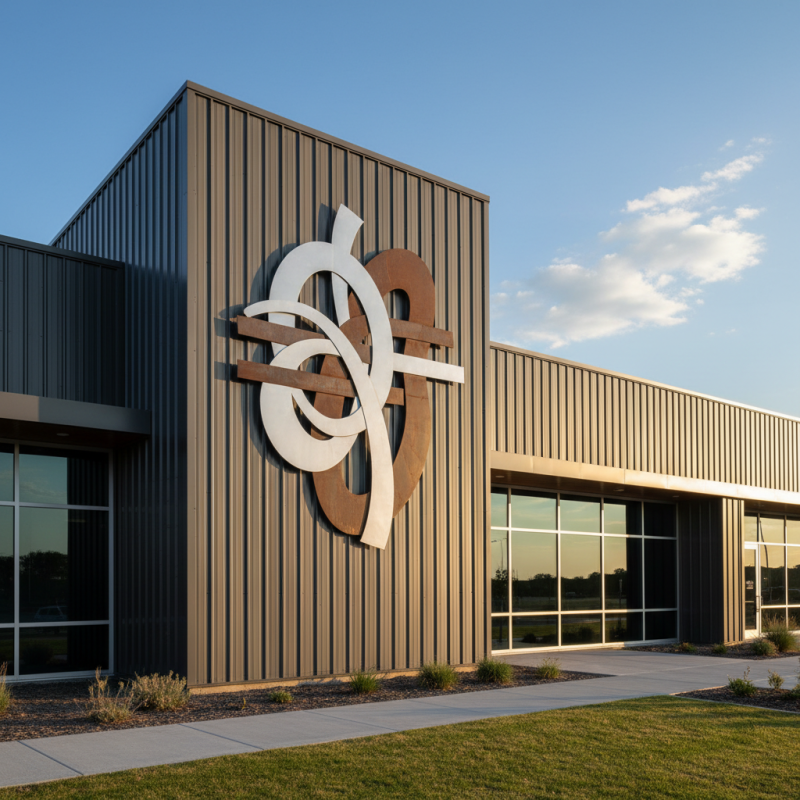
Understanding metal building signs in China reveals key insights into the industry's growth and challenges. According to a recent report, the metal signage market in China is projected to reach $3.1 billion by 2025. This growth is fueled by urbanization and increased commercial activity. Businesses seek durable and visually appealing signage to attract customers. Metal signs, with their robustness, meet these demands well.
However, quality can vary significantly. Many manufacturers cut corners to reduce costs. This leads to inconsistencies in sign durability and appearance. Research shows that 30% of companies regret their sign choices due to early wear or poor visibility. Despite the push for high-quality outcomes, not all projects use reliable materials. The lack of industry standards contributes to this problem.
Another aspect at play is the design. Simple and clear messages are often more effective. A study found that 70% of consumers favor signs that communicate straightforwardly. Complicated designs can confuse potential customers. Businesses should prioritize clarity in their messaging while choosing impactful materials. Balancing aesthetics with functionality is crucial in this competitive landscape.
Types of Metal Materials Used for Building Signs
When discussing metal materials for building signs, several types stand out. Aluminum is widely preferred for its light weight and corrosion resistance. According to industry reports, nearly 70% of sign makers favor aluminum for outdoor applications. It's cost-effective and can last over a decade with proper care.
Steel is another common choice. Although heavier, it offers durability and strength that aluminum can't match. It's particularly suitable for large signs and structures. Reports indicate that steel signs can withstand extreme weather conditions, making them reliable in harsh environments. However, this material often requires more maintenance than aluminum due to rust potential.
Copper and brass are less common but offer unique aesthetics. They can add elegance and a distinct look to signage. Yet, these materials may tarnish over time. Sometimes, they require regular polishing to maintain their appearance. The choice of metal greatly influences the sign's longevity and visual impact. Selecting the right material is crucial for achieving the desired outcome.
Key Design Considerations for Effective Metal Signage
When designing metal signage, several key considerations can make a significant difference in effectiveness. Research shows that visual appeal can boost customer engagement by up to 70%. Color choice plays a vital role in attracting attention. Bright colors stand out, but they may not always convey the desired message. It's essential to balance vibrancy with clarity. A well-chosen color palette enhances brand recognition but can also distract if not done correctly.
Font selection is another critical aspect. Studies indicate that nearly 95% of information is retained through visuals. The font should be legible and speak to your brand's character. Overly decorative fonts may look appealing but can reduce readability. Stick to simpler designs for clear communication. Additionally, sign placement matters. Signs should be easily visible but not overwhelming. Too many signs in one area can create confusion. Well-placed signage guides customers without being intrusive.
Lastly, while metal signs are durable, they need regular maintenance. Rust and fading can diminish their effectiveness. A careful review of signage every few months can help ensure they remain impactful. Ignoring these details can lead to missed opportunities. Effective metal signage combines aesthetic appeal with practical considerations, ensuring that the message is not just seen but understood.
China Top Metal Building Signs: What You Need to Know? - Key Design Considerations for Effective Metal Signage
| Sign Type |
Materials |
Size (cm) |
Color Options |
Design Features |
| Directional Signs |
Aluminum, Stainless Steel |
60 x 30 |
Blue, Green, Black |
Reflective Surface, Arrows |
| Business Signs |
Brushed Aluminum |
120 x 90 |
Silver, Black |
Engraved Logo, Illumination |
| Informational Signs |
Corten Steel, Aluminum |
80 x 50 |
Rust, Natural |
Textured Finish, Clear Typography |
| Safety Signs |
Aluminum Composite |
50 x 35 |
Yellow, Red |
High Visibility, Icons |
| Custom Signs |
Aluminum, Brass |
Varies |
Any |
Personalized Design, Unique Features |
Regulatory Compliance and Standards for Metal Signs
When considering metal building signs in China, regulatory compliance is crucial. The industry is governed by strict standards. According to a recent report, 72% of businesses cite compliance as a top priority. Failure to adhere can result in hefty fines or business disruptions.
Understanding local regulations is vital. Each region may have different requirements regarding materials, size, and installation processes. For instance, signs must often meet safety standards to ensure they don’t pose a hazard.
Tips: Always verify local codes before installation. Regularly review any changes in regulations to stay compliant. Collaborating with local authorities can also prevent unintentional missteps. Poor compliance can lead to costly redesigns or rebranding.
Achieving the right balance in compliance means ongoing effort. Many businesses report challenges in keeping up with evolving standards. Frequent training and updates can bridge this gap. Successful businesses adapt quickly. They invest in understanding guidelines and prioritize safety.
Maintenance and Durability of Metal Building Signs in China
Metal building signs are popular in China for their durability. They endure harsh weather conditions well. However, their longevity depends on proper maintenance. Regular inspections are essential to spot rust and fading paint. Neglecting these factors can lead to costly repairs.
Damage from extreme temperatures or humidity can affect the sign's integrity. Choosing the right protective coatings can enhance lifespan. Interestingly, many businesses overlook this crucial step. It's vital to apply appropriate treatments and perform cleanings, yet some signs are ignored until it's too late.
Signs also require periodic touch-ups to maintain visibility. Simple tasks like cleaning can make a big difference. When neglected, signs can become unsightly. Investing time and resources in maintenance ensures these signs continue to serve their purpose effectively.



 Inquiry
 Email
Email WhatsApp