Top Business Wall Sign Trends for 2025: Boost Your Brand Visibility!
As we look ahead to 2025, the importance of visual branding cannot be overstated, and one of the key elements in achieving effective brand visibility is the use of a Business Wall Sign. These signs serve as powerful tools to communicate your brand's identity and values while capturing the attention of potential customers. In an increasingly competitive market, businesses must leverage innovative sign designs that reflect the evolving aesthetic preferences of their target audience.
The trends shaping the future of Business Wall Signs are diverse and dynamic, offering new avenues for creativity and engagement. From sustainable materials that communicate environmental responsibility to interactive elements that enhance customer experience, businesses have an array of options at their disposal. Embracing these trends not only helps in standing out from the competition but also fosters a deeper connection with consumers, reinforcing brand loyalty and recognition.
In this outline, we will explore the top Business Wall Sign trends for 2025, highlighting how these developments can effectively boost your brand visibility. By understanding and implementing these strategies, businesses can ensure they remain relevant and impactful in a rapidly changing landscape, ultimately transforming their spaces into memorable brand statements.
Emerging Signage Materials for Business Walls in 2025
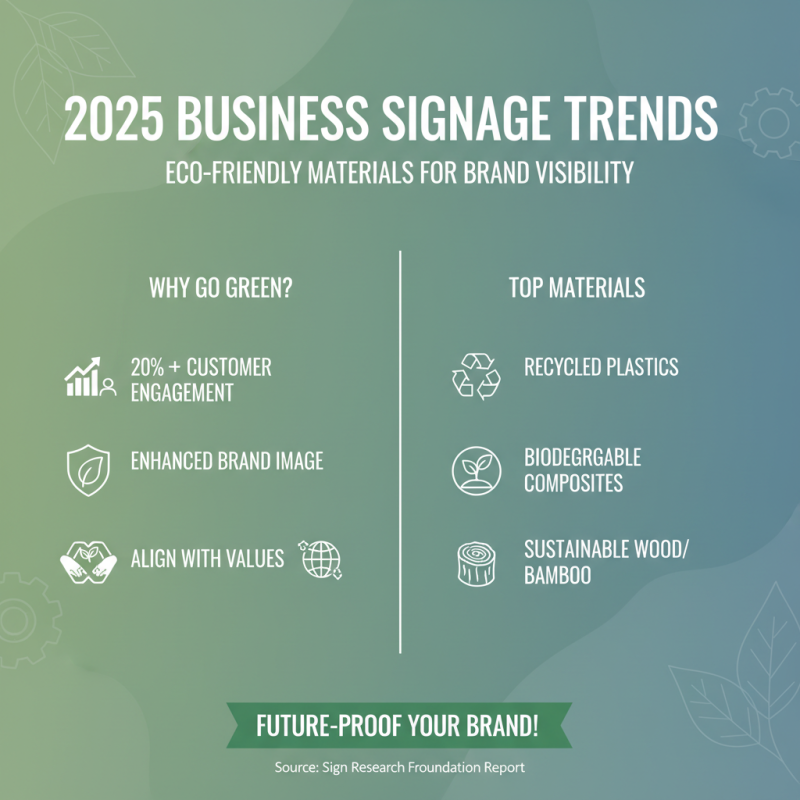
As businesses prepare for 2025, the choice of signage materials is crucial for enhancing brand visibility. Emerging trends indicate a shift towards eco-friendly materials, reflecting a growing consumer preference for sustainability. According to a report by the Sign Research Foundation, businesses that adopt environmentally responsible signage can see up to a 20% increase in customer engagement. Materials such as recycled plastics and biodegradable composites are gaining traction, allowing companies to align their corporate identity with eco-conscious values.
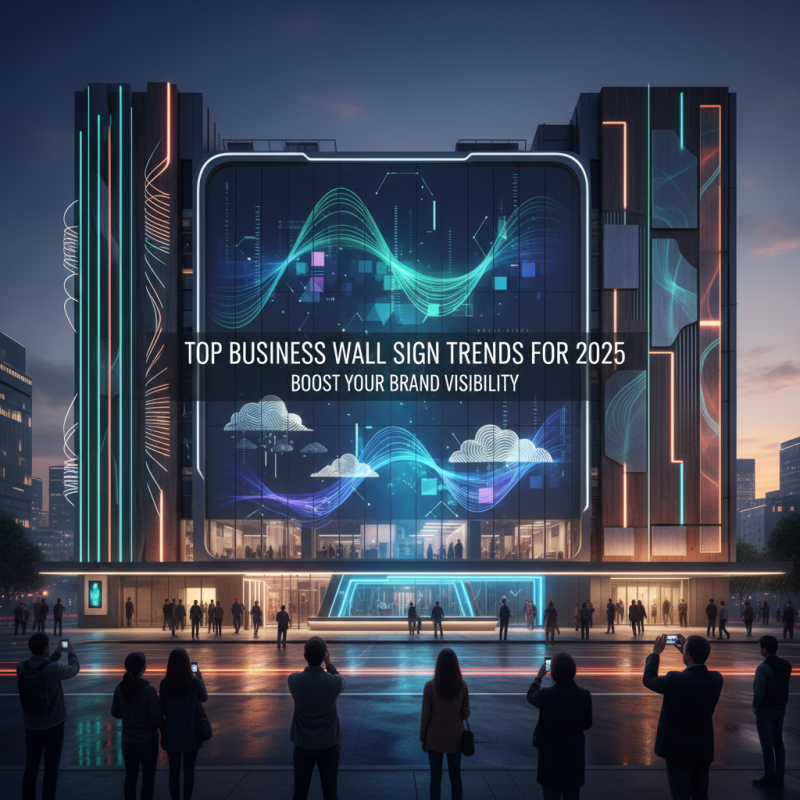
In addition to sustainability, digital signage is becoming increasingly popular. The Digital Signage Federation reports that the market for digital signage is expected to grow by over 8% annually. These dynamic displays not only attract attention but also provide the flexibility to update messaging in real-time. Integrating LED and OLED technologies into signage design not only enhances visual appeal but also improves energy efficiency, appealing to a broader audience looking for innovative and modern solutions in business environments.
Furthermore, the use of hybrid materials, combining traditional and digital elements, is also on the rise. These advances offer businesses the ability to create unique, eye-catching designs that facilitate interaction with consumers. A study from the American Society of Interior Designers notes that businesses incorporating such innovative signage reported a 15% improvement in foot traffic, underlining the importance of evolving material choices in creating impactful brand narratives.
Innovative Design Trends to Enhance Brand Identity
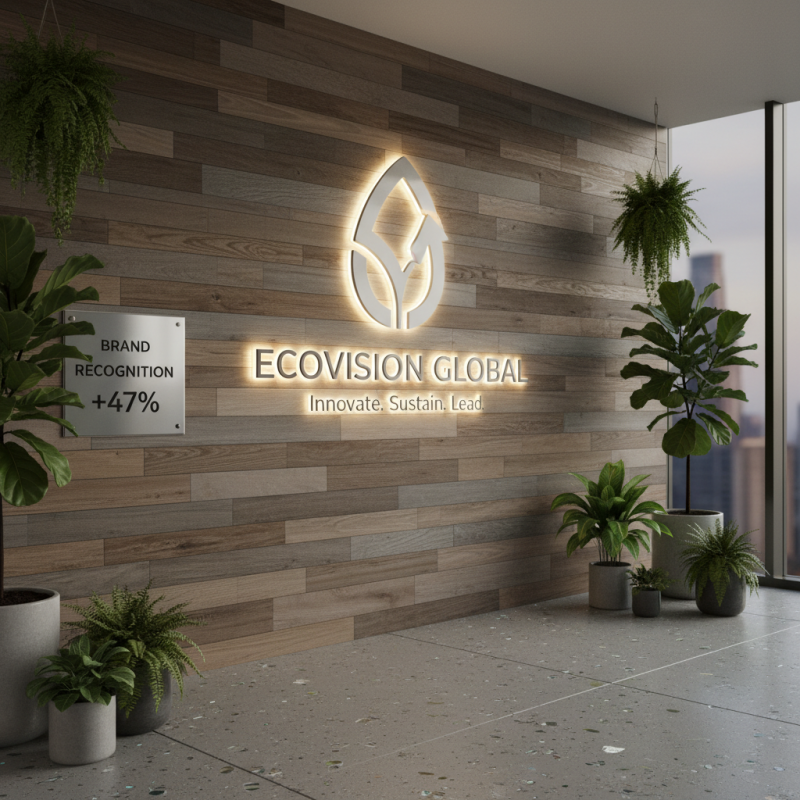
In 2025, businesses are increasingly turning to innovative wall sign designs to enhance their brand identity and visibility. According to a report by the Sign Research Foundation, effective signage can increase brand recognition by up to 47%. This statistic underscores the importance of thoughtfully designed wall signs in attracting customer attention and reinforcing brand messaging. Trendy materials such as eco-friendly composites and illuminated displays are becoming popular, allowing brands to convey a modern aesthetic while promoting sustainability.
Moreover, the integration of technology in signage, such as digital displays and augmented reality elements, is revolutionizing how brands communicate with their audience. A study by the Outdoor Advertising Association indicates that 83% of consumers notice digital signage, leading to a 29% boost in purchasing intent. By leveraging these innovative designs, businesses can create dynamic environments that not only capture interest but also encourage interaction, ensuring that their brand message resonates long after the initial encounter. As we move toward 2025, it's clear that embracing these trends in wall signage will be imperative for companies looking to elevate their brand identity.
Strategic Placement of Wall Signs for Maximum Visibility
Strategically placing wall signs is crucial for enhancing brand visibility and making a lasting impression. In 2025, businesses need to recognize that the location of these signs can significantly impact how effectively they communicate their message. Consider high-traffic areas where potential customers are most likely to notice your brand. Entryways, waiting areas, and point-of-sale locations are prime spots for wall signs that can engage clients right away.
Tips for placement include ensuring that signs are at eye level, as this height maximizes visibility and draws attention. Additionally, using contrasting colors can help the sign stand out from the surrounding environment, making it more legible from a distance. Think about seasonal adjustments as well; rotating your wall signs to reflect current trends or promotions can keep your space dynamic and encourage repeat visits.
Integrating digital elements into your wall signs can also play a vital role in attracting attention. Interactive displays or screens can convey messages that change in response to customer engagement, offering a fresh perspective each time they visit. By leveraging technology and strategic placement, businesses can significantly boost their brand visibility and create an inviting atmosphere that keeps customers coming back.
Integrating Technology into Business Wall Signage
In the rapidly evolving business landscape, integrating technology into wall signage is not just a trend but a necessity for enhancing brand visibility. Businesses are increasingly leveraging digital displays and interactive signage to create more engaging experiences for customers. These high-tech solutions not only attract attention but also provide dynamic content that can be updated in real time, allowing businesses to communicate promotions, events, and important messages effectively.
When considering technology integration, businesses should focus on interactive elements that encourage customer participation. Incorporating QR codes into traditional signs is a simple yet effective way to blend physical and digital experiences. This allows customers to scan a code with their mobile devices, unlocking access to additional information or exclusive offers. Additionally, utilizing LED screens can captivate audiences with vibrant graphics and videos, making the signage an integral part of the customers' journey.
TIPS: To optimize your tech-enhanced wall signage, prioritize clear visibility and strategic placement to ensure maximum impact. Regularly update content to keep it fresh and relevant, while also considering the design elements that align with your brand's identity. Engaging content tailored to your audience can significantly enhance their experience and improve brand recall.
Top Business Wall Sign Trends for 2025
Sustainability Practices in Business Signage for 2025
As businesses become more conscious of their environmental impact,
sustainability practices in business signage
are gaining traction. In 2025, companies will increasingly prioritize
eco-friendly materials and production methods,
reflecting a commitment to reducing their carbon footprints. Signage made from
recycled or biodegradable materials not only
supports sustainability goals but also resonates with consumers who are increasingly
seeking out businesses with green initiatives. Utilizing
digital displays powered by renewable energy can further
enhance brand visibility while minimizing waste associated with traditional signage.
Moreover, the design of business signs will shift towards
simplicity and functionality,
aligning with principles of sustainable design. By opting for
minimalistic designs and focusing on
quality over quantity, businesses can create
signage that is both visually appealing and environmentally responsible.
Efficient manufacturing processes will allow for
shorter production times and
reduced material waste, enabling businesses
to adapt quickly to changing branding needs. This trend not only elevates brand visibility
but also positions companies as leaders in sustainable practices, enhancing their reputation
and attracting a socially-conscious customer base.



 Inquiry
 Email
Email WhatsApp