What is a Business Wall Sign and Why is it Important for Your Brand
In today's highly competitive business landscape, the significance of visual communication cannot be overstated. One crucial element in this domain is the "Business Wall Sign," which serves not only as a directional tool but also as a potent branding instrument. According to industry expert Mark Thompson, “A well-designed Business Wall Sign can transform the entire atmosphere of a space and enhance a brand's visibility and recognition.” This statement encapsulates the essence of why these signs are essential for any business looking to establish a strong presence.
A Business Wall Sign can convey a company’s identity and values, making it an integral part of the overall customer experience. Whether it’s a bold logo displayed in the lobby or informative graphics in the workspace, these signs help to create a memorable impression on clients and visitors alike. They function as silent ambassadors of the brand, reinforcing messaging and enhancing the overall aesthetic of the environment.
Moreover, the strategic placement of Business Wall Signs can also guide patrons effectively, leading them to key areas such as reception desks, conference rooms, or amenities. This seamless integration of functionality and artistry is what sets successful brands apart. In a world where first impressions matter, investing in quality Business Wall Signs is not just a choice but a necessity for effective brand representation.

What Constitutes a Business Wall Sign and Its Variations
Business wall signs are essential elements of branding that visually convey a company's identity. These signs can take various forms, including dimensional letters, illuminated signs, framed posters, and wall decals. Each variation serves a unique purpose and can significantly impact a brand's visibility. According to a report by the Sign Research Foundation, effective signage can increase business revenue by up to 20%. This statistic emphasizes the importance of integrating well-designed wall signs into a company’s marketing strategy.
The types of business wall signs vary widely, from stylish and modern designs to classic and traditional types, allowing companies to tailor their signage to fit their brand image. For instance, dimensional letters often create a sophisticated and upscale look, while brightly colored wall decals can attract attention in environments like retail stores. Additionally, internal wall signs can enhance the customer experience, directing patrons clearly through a space and informing them about products or promotions. Research indicates that well-placed directional signage can improve customer navigation by 83%, ultimately leading to higher customer satisfaction and loyalty. By recognizing the different forms and functions of business wall signs, brands can create a powerful visual presence that resonates with their target audience.
Importance of Business Wall Signs
The Role of Business Wall Signs in Brand Recognition and Visibility
Business wall signs play a crucial role in enhancing brand recognition and visibility. They serve as a visual representation of a company's identity, effectively communicating its values and personality to the public. A well-designed wall sign can capture the essence of a brand, making it instantly recognizable. This recognition is essential in a competitive marketplace where standing out from the crowd can significantly impact consumer behavior. By utilizing unique designs, colors, and logos, businesses can create a lasting impression on potential customers, solidifying their place in the minds of the target audience.
In addition to branding, business wall signs contribute to visibility, acting as a focal point that attracts attention. Placed strategically, these signs can guide foot traffic, informing customers of a business's location and offerings. High-quality, eye-catching wall signs not only draw in passersby but also enhance the overall aesthetic of the area, creating a welcoming atmosphere. As an effective marketing tool, wall signs ensure that businesses remain top-of-mind for consumers, encouraging them to engage with the brand and increasing the likelihood of return visits. Thus, the significance of business wall signs extends beyond decoration; they are integral components of a successful branding strategy.
What is a Business Wall Sign and Why is it Important for Your Brand - The Role of Business Wall Signs in Brand Recognition and Visibility
| Dimension |
Description |
Importance |
| Visibility |
Promotes brand recognition through strategic placement. |
Increases foot traffic and awareness of the business location. |
| Branding |
Communicates brand values and identity through design. |
Differentiates business from competitors and enhances brand loyalty. |
| Professionalism |
Shows a commitment to quality and attention to detail. |
Builds trust and credibility with potential customers. |
| Information |
Conveys essential information like operating hours and services. |
Facilitates customer decision-making and enhances accessibility. |
| Aesthetics |
Adds to the visual appeal of a business space. |
Creates a positive first impression and enhances customer experience. |
Statistics on Consumer Behavior Related to Business Wall Signage
Business wall signs play a crucial role in establishing a brand’s identity and communicating its values to potential customers. According to a 2021 survey conducted by the Sign Research Foundation, approximately 76% of consumers reported that they had visited a business for the first time based solely on its signage. This statistic underscores the significance of visual communication in attracting foot traffic and enhancing brand visibility, especially in competitive markets. Effective signage not only informs customers but also serves as a powerful marketing tool, shaping their perception of the brand.
Consumer behavior studies indicate that well-designed business wall signs can significantly impact purchasing decisions. Research from the International Sign Association revealed that 68% of consumers believe that a business's signage reflects the quality of its products or services. Furthermore, 60% of respondents mentioned that they had made an impulsive purchasing decision influenced by the signage they encountered. This demonstrates that businesses should invest in high-quality signage as it not only guides customers but also builds trust and credibility, ultimately contributing to increased sales and customer loyalty.
Impact of Professional Wall Signage on Customer Perception and Trust
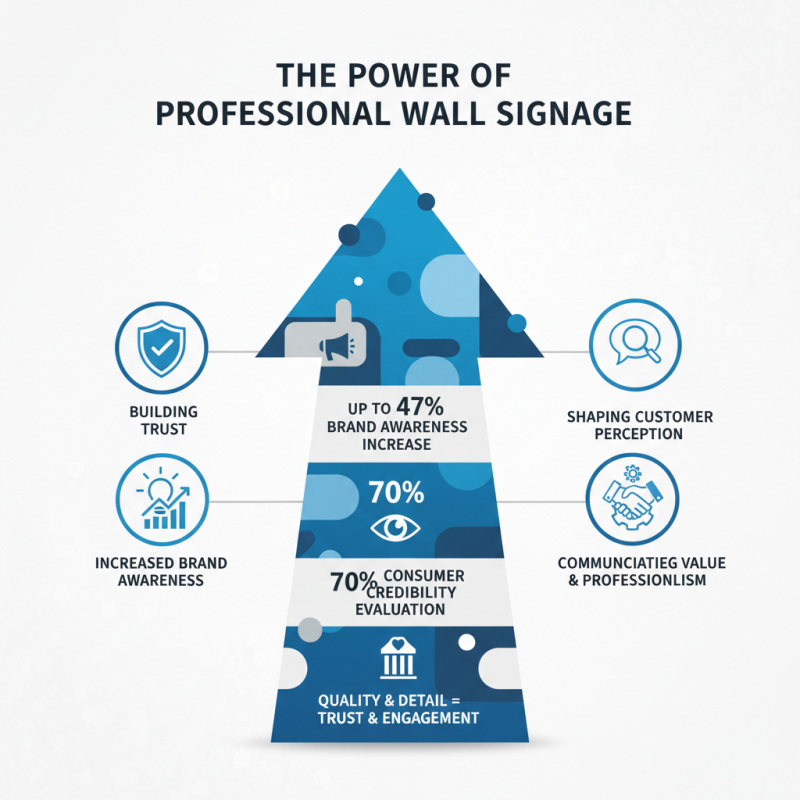
Professional wall signage plays a crucial role in shaping customer perception and building trust in a brand. According to a study by the Sign Research Foundation, effective signage can increase brand awareness by up to 47%. A well-designed business wall sign not only serves as a visual identifier but also communicates the brand's values and professionalism. This perception is pivotal since 70% of consumers evaluate a company's credibility based on its signage. When signs reflect a brand's quality and attention to detail, customers are more likely to trust and engage with the business.
Tips for creating impactful wall signage include ensuring high-quality materials that withstand the test of time and maintaining a consistent brand message that aligns with your overall marketing strategy. Moreover, choose fonts and colors that enhance readability, as studies indicate that 90% of first impressions are based on visual appeal. Make sure your signage is strategically located where it can capture the attention of passersby, as visibility significantly affects customer interactions.
Integrating customer feedback into the design process can also enhance trust. Creating signs that resonate with your target audience demonstrates that you value their opinions, which can foster loyalty. In an age where consumers are discerning about brand authenticity, professional wall signage is not just an accessory but a fundamental element in cultivating a trustworthy brand image.
Best Practices for Designing Effective Business Wall Signs
When designing effective business wall signs, clarity and simplicity should be your top priorities. The sign should convey essential information at a glance, employing legible fonts and straightforward language. Avoid overcrowding the sign with excessive text or imagery, as this can distract from the main message and reduce overall comprehension. A high-contrast color scheme can also enhance readability, ensuring the sign captures attention while being easily understood from a distance.
In addition to clarity, consideration for the sign’s placement and design style is crucial. It should complement the surrounding environment and reflect the brand’s identity, reinforcing the message you want to convey. Using high-quality materials can ensure durability and maintain a professional appearance over time. Integrating elements like lighting can also help the sign stand out, particularly in lower visibility conditions. By following these best practices, businesses can create wall signs that not only attract attention but also leave a lasting impression on customers, enhancing overall brand recognition.



 Inquiry
 Email
Email WhatsApp