What is Board Advertising Signs and How Do They Work?
Board Advertising Signs play a pivotal role in the advertising landscape. They capture attention and convey messages effectively. According to a report by the Outdoor Advertising Association of America, over 70% of people notice billboards when driving. This statistic underscores the power of visual advertising.
These signs come in various forms. From large outdoor billboards to smaller signs for local businesses, their impact is measurable. Research shows that nearly 50% of consumers visit a store after seeing its Board Advertising Sign. This reveals their effectiveness in driving foot traffic.
However, not all signs are created equal. Many businesses struggle to implement effective designs. Poor placement or unclear messaging can hinder visibility. A focus on clarity and bold visuals is crucial. Board Advertising Signs must evolve with changing consumer behaviors for lasting success.
What Are Board Advertising Signs?
Board advertising signs are a unique form of outdoor advertising. They can be seen in various locations, such as busy streets, shopping centers, and at events. These signs typically consist of durable materials, designed to withstand different weather conditions. Their visuals are often striking, aiming to catch the attention of passersby.
The primary goal of board advertising signs is to deliver messages quickly and effectively. They are often used to promote sales, services, or upcoming events. Many businesses choose them for their cost-effectiveness and ease of installation. However, their effectiveness can sometimes be questionable. In crowded environments, competing messages may overwhelm potential customers.
Placement is crucial for success. A well-positioned sign can attract significant attention, while a poorly placed one may be ignored. It's important to consider visibility and audience. A vibrant design might not always work if the message is unclear. Risk exists, but so do opportunities for innovation. Engaging designs can lead to higher buyer interest, yet overcomplicating the message can dilute it. The balance between creativity and clarity remains a challenge.
Board Advertising Signs Effectiveness
Types of Board Advertising Signs and Their Unique Features
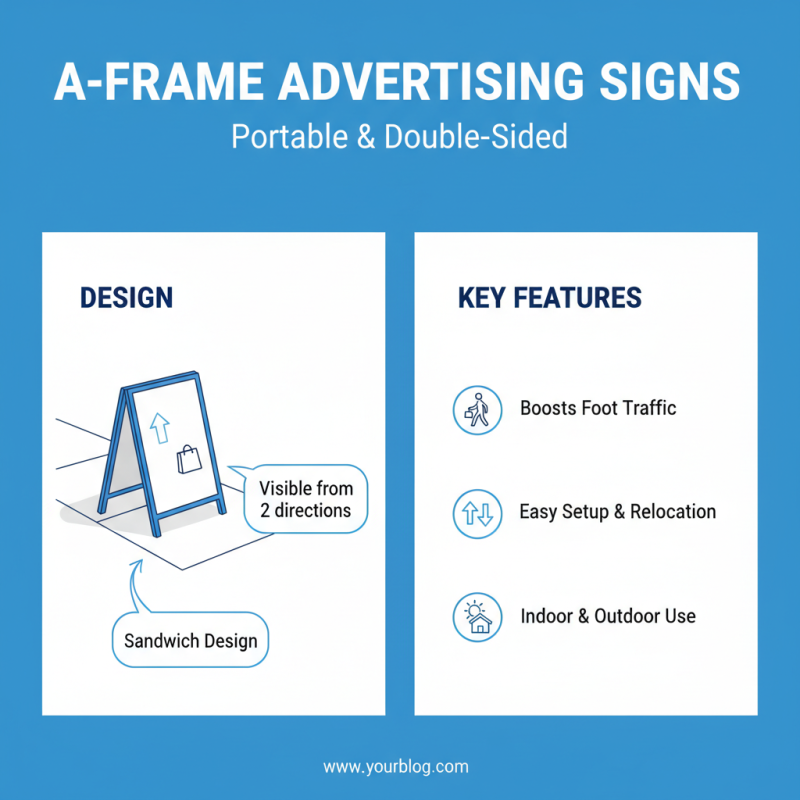
Board advertising signs come in various types, each designed to attract attention in unique ways. One common type is the A-frame sign. These signs are portable and easily set up outdoors or indoors. Their sandwich design allows for visibility from both directions, making them effective for drawing foot traffic.
Another popular option is the billboard sign. Billboards are larger and typically placed in high-traffic areas. Their size ensures that they capture the attention of drivers and pedestrians alike. They often use bold graphics and minimal text to convey messages quickly. However, the cost of space can be high, leading some businesses to reconsider this choice.
Chalkboard signs provide a different approach. They allow for easy updates and adjustments. Businesses can change their messages daily, keeping content fresh. This flexibility can engage customers, but it also requires regular attention and creativity. Inconsistency in presentation may undermine the sign’s effectiveness. Each type of board advertising sign has its strengths and weaknesses, making it crucial for businesses to choose wisely based on their specific goals.
How Board Advertising Signs Attract Customers
Board advertising signs serve as a powerful tool to attract customers. These signs are often placed outdoors, catching the eyes of passersby. Vibrant colors and compelling messages can spark curiosity. When strategically located, they enhance visibility and generate foot traffic for businesses.
They work by creating an immediate impact. A bold design can convey a brand’s message in seconds. Effective use of images and text can communicate promotions or new products clearly. The right placement can draw the attention of potential customers who might otherwise overlook a business.
Yet, not every sign hits the mark. If the message is too cluttered, it may confuse viewers. A lack of creativity can make signs forgettable. An effective board sign must balance clarity, creativity, and relevance. Reflecting on past designs can help in refining future strategies. Businesses often learn that simplicity and directness resonate best with customers.
The Process of Designing and Installing Board Advertising Signs
Designing and installing board advertising signs involves several key steps. Initially, a clear understanding of the target audience is essential. Knowing the demographics helps create more effective signage. Colors, fonts, and images must resonate with viewers. This connection increases the chances of capturing attention.
Once the design is set, selecting materials is crucial. Options may include wood, metal, or durable plastic. Each material has its own benefits and challenges. Budget constraints often influence these choices. It’s important to balance cost with quality. A sign that fades or deteriorates quickly can undermine marketing efforts.
Installation follows the design phase. Proper placement matters greatly. Signs should be positioned where visibility is maximized. Consider traffic patterns and sightlines. Some businesses overlook this, leading to wasted resources. Regular maintenance is also essential. Weather can cause wear and tear. Signs need periodic checks for damage or fading. This ongoing commitment is vital for long-term effectiveness.
Benefits of Using Board Advertising Signs for Businesses
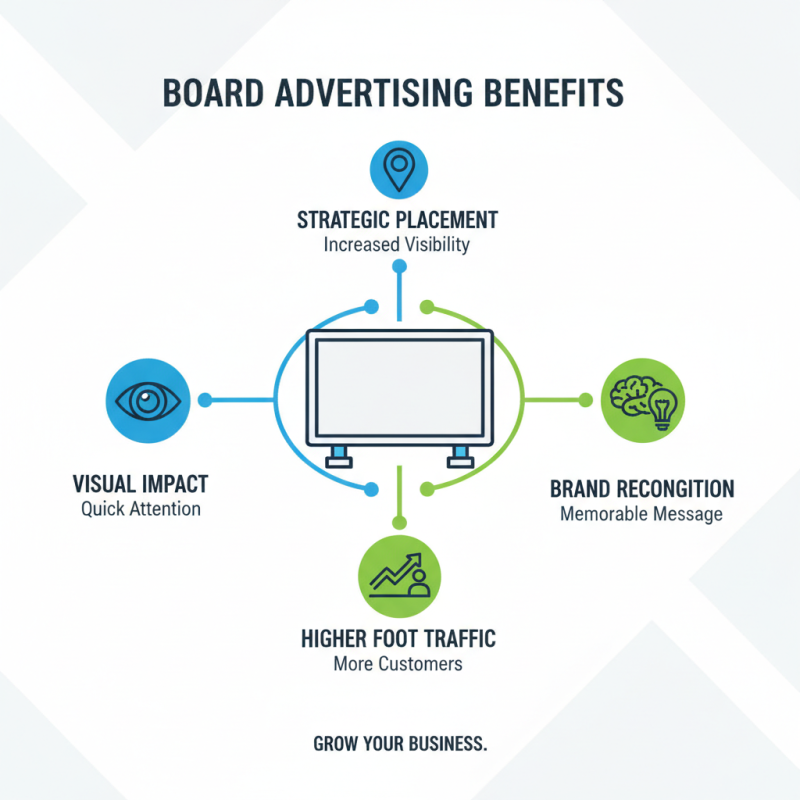
Board advertising signs are an effective way for businesses to reach their target audience. They provide a visual impact, often capturing attention quickly. The signs can be placed in strategic locations, increasing visibility. This method often leads to higher foot traffic and better brand recognition. When properly designed, board advertising can deliver clear and compelling messages.
Using these signs can also be cost-effective. They require a lower investment compared to digital advertising methods. This allows small businesses to promote themselves without breaking the bank. Board signs can be customized to fit specific marketing campaigns or events. This adaptability is a significant advantage for businesses looking to stand out.
However, it's essential to consider placement and design carefully. Poorly placed signs may not attract attention or even annoy potential customers. Additionally, cluttered designs can confuse the message. Regular evaluation and adjustments based on public feedback can enhance effectiveness. A well-thought-out approach to board advertising can provide considerable benefits while minimizing potential pitfalls.



 Inquiry
 Email
Email WhatsApp