Best Large Building Signs for Effective Brand Visibility?
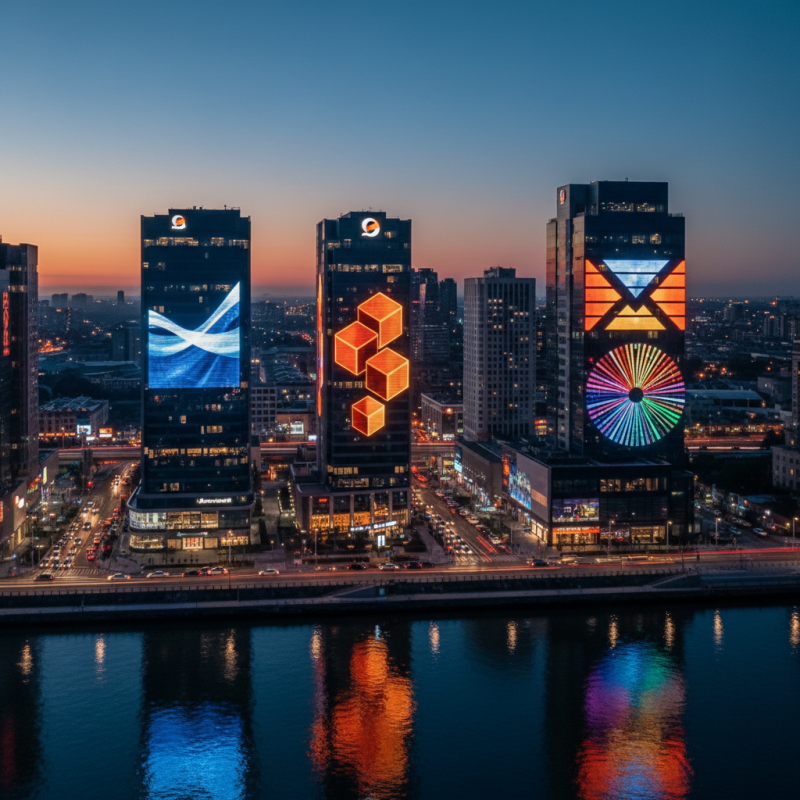
Effective brand visibility is crucial for any business, especially in crowded markets. "Large Building Signs" can significantly enhance a company's presence. According to expert Mark Thompson, a leading figure in the signage industry, "A well-placed Large Building Sign can be the first touchpoint for potential customers." This highlights the importance of visibility from afar.
Creating impactful Large Building Signs requires understanding design, location, and branding. Businesses must consider factors like color contrast and lighting. A poorly designed sign can lead to missed opportunities. It's essential to think beyond aesthetics; functionality is key.
Experts suggest that businesses often underestimate the role of these signs. They are not just logos; they are active brand ambassadors. Yet, many signs fail due to neglect in planning and execution. Reflecting on these factors can help companies make better choices.
Choosing the Right Materials for Large Building Signs
Choosing the right materials for large building signs is crucial for brand visibility. The materials affect not only the sign's durability but also its appearance and effectiveness. Common options include metal, wood, and acrylic. Each material has unique benefits. For instance, metal signs are robust and weather-resistant. They can withstand harsh conditions, making them ideal for outdoor use.
Wood offers a warm, natural look. It might not be as durable, but it can create a unique aesthetic. Consider using treated wood for better longevity. Acrylic signs are lightweight and versatile. They can be molded into various shapes and colors. However, they may scratch easily.
Selecting materials involves considering your location and environment. If your sign faces heavy traffic, choose durable materials. Reflective surfaces might be useful for visibility at night. Always balance aesthetics with functionality. Lastly, some materials may not fare well over time. Periodic assessment of your signs is essential to maintain brand image.
Best Large Building Signs for Effective Brand Visibility
| Sign Material |
Durability (Years) |
Weather Resistance |
Cost ($/sq ft) |
Best Usage |
| Aluminum |
7-10 |
High |
15-30 |
Outdoor Signs |
| Acrylic |
5-7 |
Moderate |
20-25 |
Indoor/Outdoor Use |
| PVC |
2-5 |
Low |
10-15 |
Temporary Signs |
| Vinyl |
3-5 |
Moderate |
5-15 |
Banners/Wall Signs |
| Wood |
5-15 |
Moderate |
25-50 |
Rustic/Decorative Signs |
Types of Large Building Signs and Their Benefits
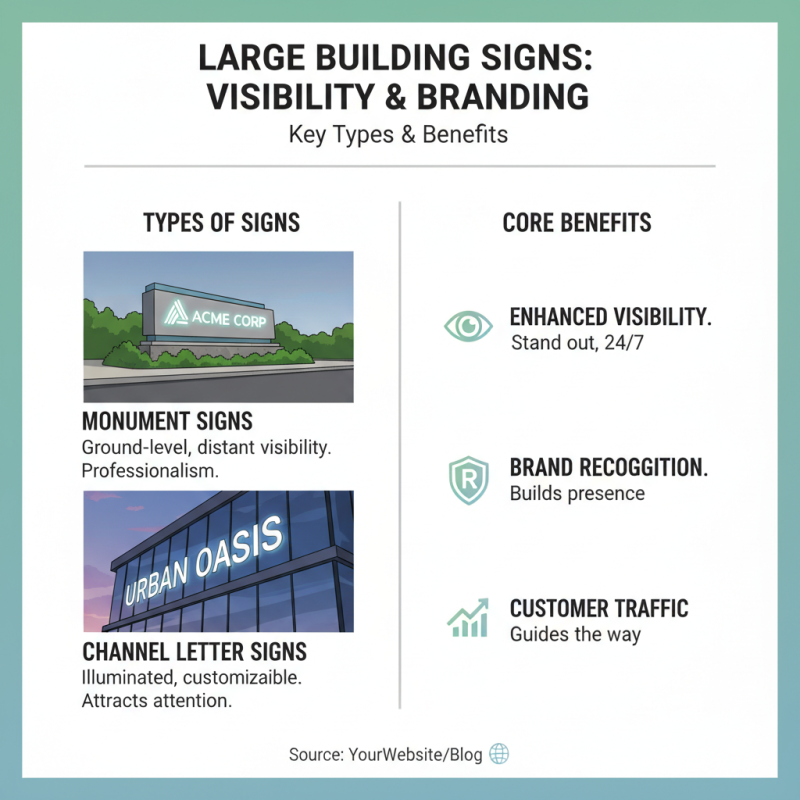
Large building signs play a crucial role in enhancing brand visibility. Various types of signs serve specific purposes, each with distinct benefits. Monument signs, for instance, are positioned close to the ground and are visible from a distance. They convey professionalism and are ideal for corporate environments. Channel letter signs, often illuminated, attract attention and can be customized to reflect a brand's identity.
Tips: Consider the surrounding environment when choosing your sign. A well-placed sign complements the building and stands out effectively. Ensure that the materials used are durable for longevity.
Another popular option is wall graphics. These can transform a bland facade into a striking visual representation of the brand. They are versatile and can be updated easily, reflecting changes in marketing strategies or seasonal promotions. Digital signs offer dynamic content, providing the ability to showcase new products or announcements instantly. While effective, they require regular maintenance and updates.
Tips: Regularly assess your signs. Are they still aligned with your brand? Look for signs of wear and consider refreshing your content frequently. This keeps your business looking relevant and engaging.
Design Principles for Effective Brand Visibility
Designing large building signs that boost brand visibility requires an understanding of key principles.
Color choice is crucial. Bright colors attract attention, while contrasting hues improve readability from a distance.
Effective signage should not only stand out but also reflect the brand's identity. A well-defined brand must guide the design process to ensure consistency across all marketing mediums.
Typography plays a significant role in visibility. Clear fonts increase legibility, particularly at great distances. It's essential to select typefaces that align with the brand's voice.
When designing, it's easy to become overly ambitious with styles. However, simplicity often yields the best results.
The sign should communicate the message without overwhelming the viewer.
Placement is another critical aspect. A sign placed high may be seen by far more people, yet it could lose detail at distance.
Testing various placements helps understand viewing angles and crowd movement patterns. Striking a balance between visibility and accessibility is necessary.
Effective signs invite engagement and can become points of interest. A thoughtful approach to each factor can enhance overall brand visibility significantly.
Placement Strategies for Maximum Impact of Building Signs
Placement strategies for building signs play a crucial role in enhancing brand visibility. Choosing the right location ensures that signs capture attention. High-traffic areas, like main entrances and busy sidewalks, should be prioritized.
Think about line of sight; avoiding obstructions is key. Consider the height and angle of the sign. A well-placed sign can be seen from a distance, making it more effective.
Lighting also influences the visibility of building signs. Illuminated signs stand out during nighttime and in low-light conditions. Think about the sign's material and color contrast with the building.
Bold colors catch the eye, while softer hues blend in. Regular maintenance is essential to keep signs looking fresh. Faded or damaged signs can lead to misinterpretation of the brand image.
Adapting signs to seasonal changes can enhance their relevance. Rotating messages and designs can reflect current promotions or events.
It’s vital to assess the street layout regularly. City development can change traffic patterns and sightlines over time. Regular reviews can help in reshaping placement strategies for optimal impact.
Maintenance Tips for Long-Lasting Signage Performance
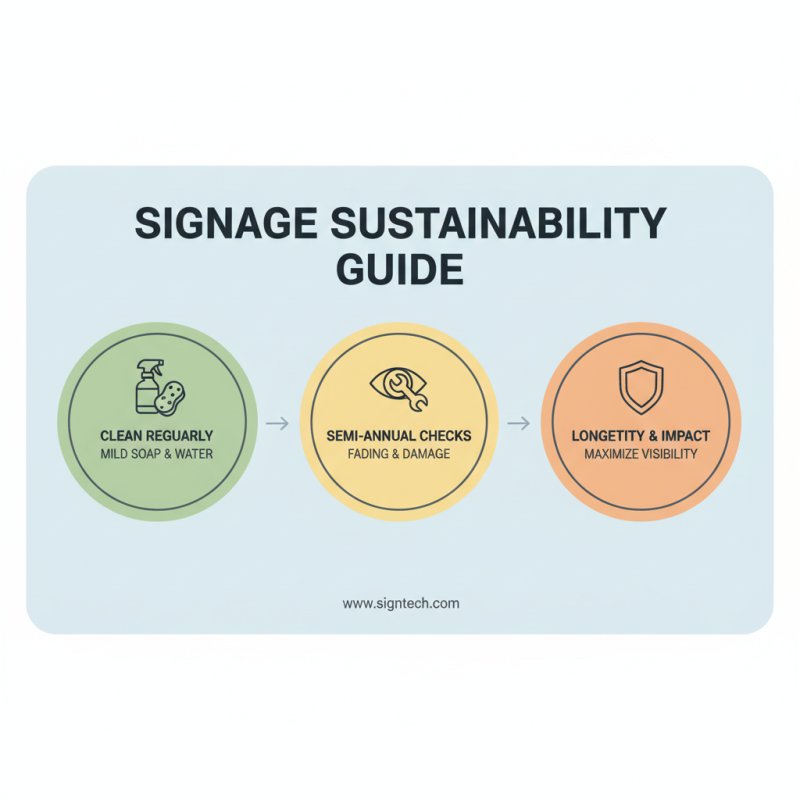
Proper maintenance of large building signs is key to their longevity and effectiveness. Regular cleaning is crucial; dirt and grime can diminish visibility. Use appropriate cleaning solutions to avoid damaging the material. A simple mixture of water and mild soap often suffices. Inspections twice a year can help spot potential issues early. Look for fading colors or structural damage that might affect performance.
Moreover, consider the environment. Signs exposed to harsh weather need extra care. For instance, UV rays can fade colors, while moisture can cause rust. A protective coating may prolong the life of the sign. You might also need to adjust the lighting, as inadequate illumination can hinder visibility. It’s not just about appearance; functionality matters too.
Sometimes, signs wear out despite the best care. Reflecting on their performance is essential. If a sign fails to capture attention, it might not serve its purpose well. Assessing its placement and visibility can lead to valuable insights. Regularly revisiting your signage strategy can ensure it remains effective.



 Inquiry
 Email
Email WhatsApp