2026 Top Trends in Personalised Led Signs for Home and Business Use?
In the evolving landscape of home and business decor, "Personalised Led Signs" stand out as a compelling trend for 2026. These signs not only add aesthetic appeal but also convey individual branding. According to industry expert Dr. Emily Carter, “Custom LED signage can transform spaces by infusing character and identity.” This highlights the growing emphasis on personalization in design.
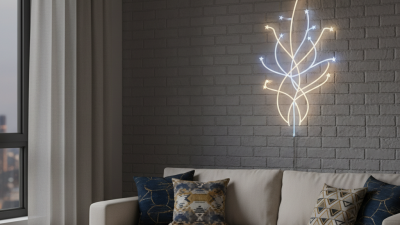
The ability to customize LED signs allows businesses and homeowners to express uniqueness. Colors, fonts, and designs can be tailored to specific tastes or themes. Imagine a cozy café featuring a warm, glowing sign that reflects its warm ambiance. The opportunities for creativity are limitless. However, the challenge remains in balancing personalization with practicality. Oversized or overly intricate designs can detract from the intended message and feel cluttered.
Moreover, technology is continuously advancing. Innovations in lighting and materials will influence future designs. Personalised Led Signs must respond to these developments to stay relevant. As consumers become more discerning, they expect not just beauty, but also functionality and durability in their signage choices. Reflecting on these aspects is crucial for this growing industry.
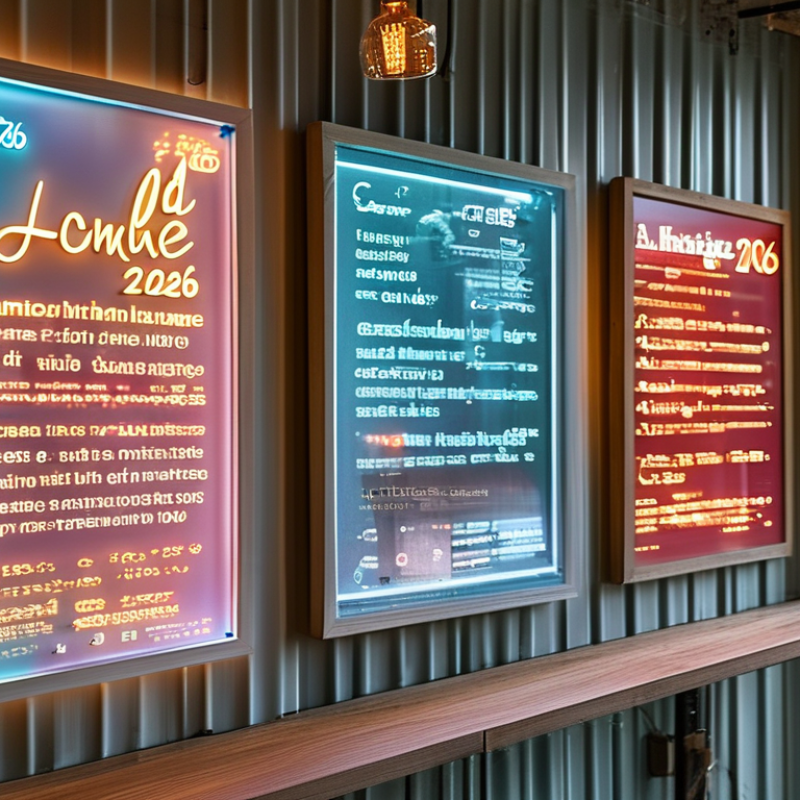
Emerging Technologies in Personalised LED Signage for 2026
In 2026, personalized LED signage is set to evolve significantly, driven by emerging technologies. The demand for customized displays is on the rise, with research indicating a projected growth of 10% annually in this sector. This growth is fueled by businesses seeking to enhance customer engagement through innovative signage solutions. The ability to change messages dynamically is becoming essential for both homes and retail locations.
One key trend revolves around smart technology integration. Signage equipped with AI can analyze foot traffic and adjust displays in real time. This allows businesses to tailor messages based on consumer behavior. Additionally, energy-efficient LED technology continues to improve. Reports show that energy consumption for signage can be reduced by up to 40% through advanced LED systems, addressing environmental concerns while saving costs.
Moreover, augmented reality (AR) is making its way into personalized signage. Imagine walking by a storefront and seeing interactive displays that respond to your presence. This type of technology offers a unique, engaging experience but raises questions. How can businesses balance personalization with user privacy? Striking this balance will be critical in the coming years. Overall, the future of personalized LED signage presents exciting opportunities and challenges for businesses and consumers alike.
Customization Options for Home and Business LED Signs
Customization has become a crucial aspect of LED signs for both home and business use. People want signs that reflect their personal style and brand identity. Options range from colors and fonts to sizes and shapes. You can choose vibrant colors to grab attention or softer hues for a welcoming feel. The choice of font also matters. Bold fonts make a statement, while cursive styles add elegance.
In addition to aesthetics, functionality is vital. Many LED signs offer programmable features. Businesses can update their messages easily without replacing the sign. This adaptability helps keep the content relevant. However, not all customization options suit everyone. Sometimes, too many choices can lead to confusion. Understanding what fits your style or brand can be challenging.
Think about the message you want to convey. Is it clear and straightforward? Signs should speak effectively to the audience. Poor design can undermine your intentions. Therefore, research matters. Explore different types and styles before making a decision. Ultimately, a well-designed LED sign can reflect your personality or enhance your brand significantly.
2026 Top Trends in Personalised LED Signs for Home and Business Use
Trends in Sustainable and Eco-Friendly LED Lighting Solutions
Sustainable LED lighting is gaining traction in homes and businesses. Eco-friendly solutions reduce energy consumption and lower utility bills. This shift aligns with growing environmental awareness.
One trend is the increased use of recycled materials in LED signs. Manufacturers are exploring ways to incorporate these resources. It not only lessens waste, but also creates unique designs. These signs often feature simplified production processes, which minimize their carbon footprint.
Another noteworthy trend is customizable LED lighting options. People seek personalized designs that reflect their values and style. This trend can lead to over-consumerism, challenging the core of sustainability. Striking a balance between unique designs and eco-conscious choices is essential for the future. Businesses are learning that embracing sustainability can enhance their reputation.
Integration of Smart Technology in LED Sign Design
The integration of smart technology in LED sign design is revolutionizing communication for homes and businesses. Smart LED signs can now connect seamlessly to the Internet. This allows for dynamic updates and real-time information sharing. Users can change messages or graphics using their smartphones or computers. Imagine a café changing its specials simply from a mobile app. Such convenience enhances customer engagement and operational efficiency.
Furthermore, artificial intelligence is shaping these signs. AI can analyze foot traffic and adjust displayed messages accordingly. This makes the signs more relevant to potential customers. However, not all businesses are taking full advantage of this technology. Some may struggle with implementation or understanding how to best utilize it. It's a constant process of learning and adapting. The challenge lies in finding the right balance between automation and the personal touch that makes a brand unique.
As designs become more sophisticated, user-friendly interfaces are essential. Users often desire simplicity when managing content. Yet, there’s a fine line between complexity and usability. The technology must not alienate users with advanced features. Smart LED signs should empower users, not overwhelm them. In this evolving landscape, making technology approachable is key for future success.
2026 Top Trends in Personalised Led Signs for Home and Business Use - Integration of Smart Technology in LED Sign Design
| Trend |
Description |
Technology |
Usage |
| AI-Driven Customization |
Utilizing AI to create personalized messages based on user preferences and behavior. |
Artificial Intelligence, Machine Learning |
Home decor, Business advertising |
| Mobile App Integration |
Control and personalize LED signs via smartphone applications for on-the-go adjustments. |
Mobile Technology, Bluetooth, Wi-Fi |
Retail, Events, Home |
| Voice Activation |
Voice-activated features allowing users to change displays or messages using voice commands. |
Voice Recognition, IoT |
Smart homes, Interactive displays |
| Dynamic Content Display |
Automatically changing messages and graphics based on time of day or events. |
Sensors, Scheduling Software |
Corporate, Home decoration |
| Augmented Reality Features |
Incorporating AR elements into LED signs for an interactive experience. |
Augmented Reality, Mobile Devices |
Marketing, Education |
Potential Market Growth and Consumer Preferences in 2026
As we approach 2026, the market for personalized LED signs is expected to grow significantly. According to industry research, the global LED signage market is projected to reach $26 billion by 2026, reflecting a compound annual growth rate of 8.3%. This growth suggests that both home and business owners are increasingly favoring customized signage solutions.
Consumer preferences are shifting towards visually appealing and functional designs. Reports indicate that 75% of consumers notice signage more than any other form of advertising. LED signs offer high visibility and the ability to convey messages in real-time. This flexibility allows businesses to adapt their signage to seasonal promotions or events with ease.
However, customization remains a challenge. While many consumers desire unique designs, only 40% feel empowered to create their own. This gap presents opportunities for service providers to innovate. Encouraging creativity and simplifying the design process can help bridge this divide. As preferences evolve, it is essential for companies to remain agile and responsive to changing consumer needs.



 Inquiry
 Email
Email WhatsApp