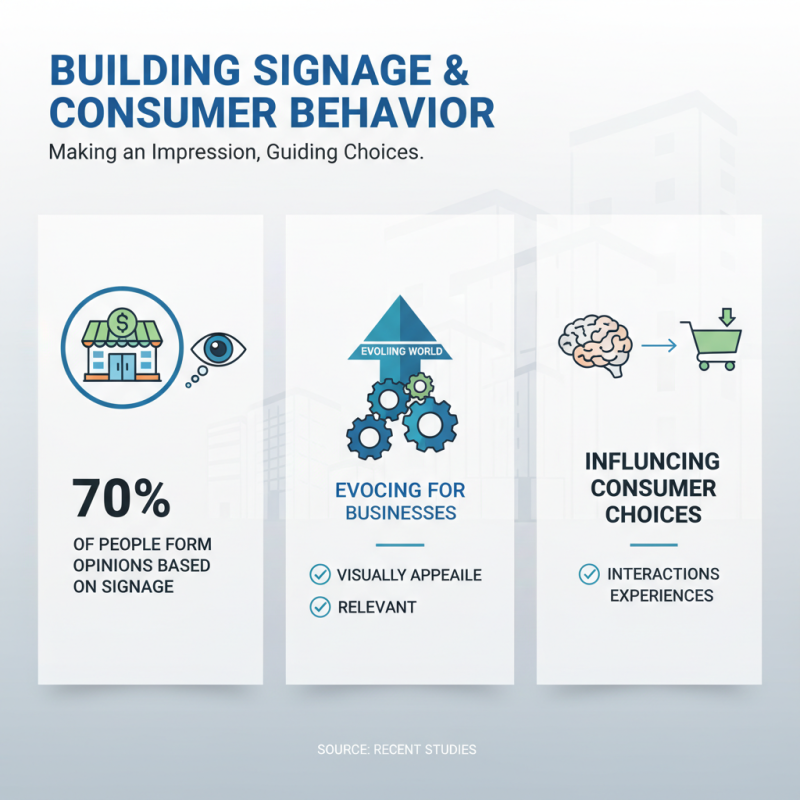
2026 Top Large Building Signs Trends You Should Know About?
In the realm of architecture and urban design, large building signs play a crucial role. These signs serve not only as identifiers but also as artistic expressions that enhance the urban landscape. In 2026, several trends will shape how large building signs are designed and utilized.
Today's consumers demand more than mere functionality from these signs. They seek creativity, interaction, and environmental consideration. Some trends focus on sustainable materials, while others emphasize digital integration. Engaging with the community through these signs can foster a sense of belonging. However, many businesses still struggle with balancing aesthetics and practicality.
As we navigate this evolving landscape, it is essential to reflect on our choices. Are we maximizing the potential of large building signs? The answers might reveal opportunities for innovation. Embracing new trends can redefine the way we perceive and utilize these structures.
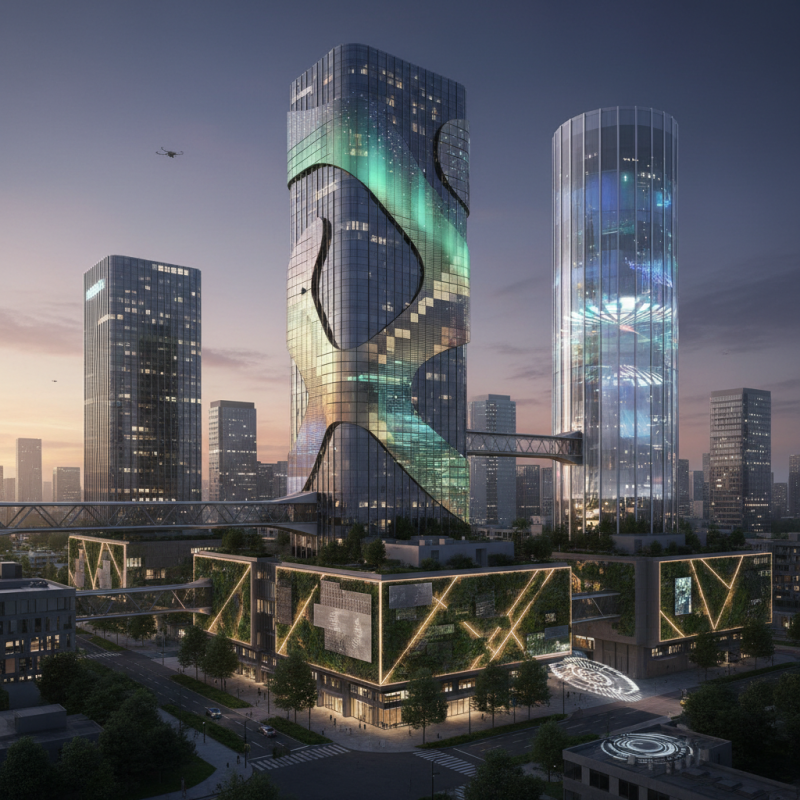
Emerging Trends in Large Building Signage for 2026
In 2026, large building signage is expected to evolve significantly. One emerging trend is the integration of digital technology. Signs equipped with screens can display dynamic content. They capture attention in a busy urban environment. These digital signs often reflect real-time information, like weather or events happening nearby. However, they can also be distracting. Balancing creativity with functionality remains a challenge.
Another trend is sustainability in signage materials. Eco-friendly options are becoming more popular. Businesses are opting for recycled materials in their signs. This trend showcases a commitment to the environment. Yet, durability can sometimes be compromised. Finding the right balance between sustainability and longevity is crucial.
Interactive signage is also on the rise. Engaging customers through touchpoints adds a new dimension to traditional signs. These interactive features may include QR codes or augmented reality. Nevertheless, not all consumers are tech-savvy. Ensuring ease of use for everyone is an important consideration. Designers will need to think critically about accessibility and usability.
Impact of Digital Technology on Large Building Signage
Digital technology is reshaping large building signage in unprecedented ways. LED and digital displays are now common. They offer dynamic content that can change at a moment’s notice. This flexibility allows businesses to engage audiences effectively. Bright, colorful visuals capture attention better than static signs.
However, not every digital sign succeeds. Poor integration with the environment can be a major issue. If the content isn’t relevant or timely, audiences may quickly lose interest. Outdated graphics on a digital display can lead to a negative impression. Businesses must regularly update their signage to stay relevant. This requires thoughtful planning and creativity.
Moreover, accessibility is an ongoing concern. Digital signs must cater to a diverse audience. This includes making sure fonts are readable from a distance and ensuring high contrast for visibility. Using technology to measure engagement is also vital, but it comes with its own challenges. Relying heavily on analytics may lead to forgetting the human element of signage. Balancing technology with meaningful connection remains a crucial task for designers.
Sustainability and Eco-Friendly Materials in Signage Design
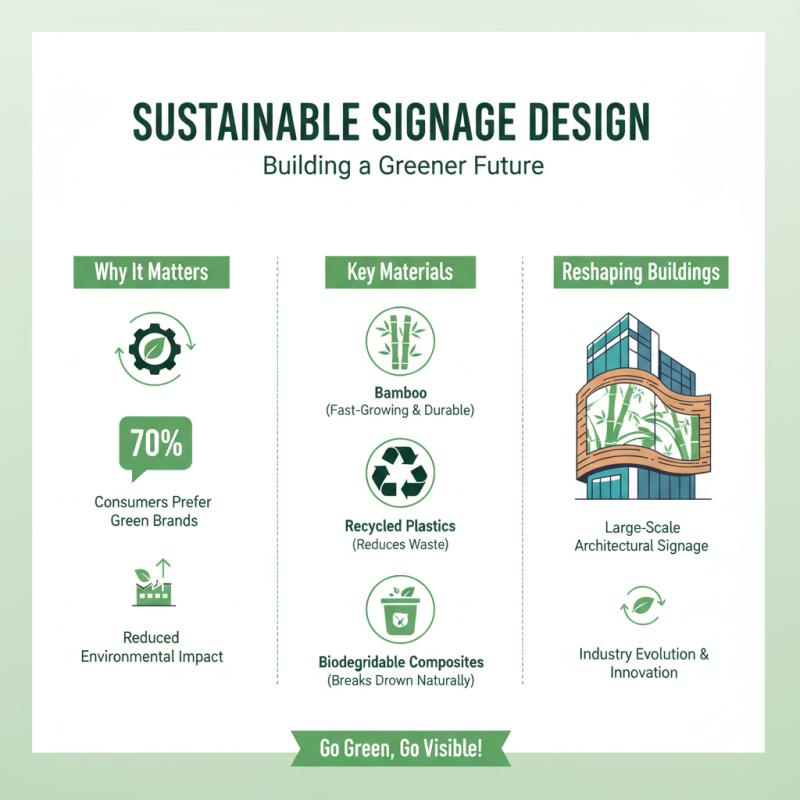
Sustainability is crucial in today's signage design. As industries evolve, there's a shift towards using eco-friendly materials. According to recent studies, about 70% of consumers prefer brands that utilize sustainable practices. This trend reshapes large building signs significantly. Materials like bamboo, recycled plastics, and biodegradable composites are gaining traction.
Tips: Always consider durability. Eco-friendly materials should withstand the elements. Look for local suppliers to reduce transportation emissions.
Innovative techniques, such as digital printing on renewable substrates, are becoming popular. They allow for stunning visuals while maintaining ecological integrity. However, challenges remain. Not all sustainable materials perform equally well. Companies need to evaluate their options carefully to balance aesthetics and functionality.
Tips: Test materials before installation. Not everything that’s green works in practice. Engage with designers knowledgeable in sustainable practices for the best outcome.
The Role of Local Regulations in Shaping Signage Trends
Local regulations significantly influence large building signage trends. Cities often have strict guidelines to maintain aesthetic consistency. For example, a 2021 report by the International Sign Association found that 70% of cities regulate the size, height, and materials used for signage. This focus on uniformity aims to enhance the local environment but can also stifle creativity.
Moreover, as communities evolve, regulations adapt. Some municipalities highlight sustainability, pushing for eco-friendly materials. Data from a recent market analysis indicates that 65% of sign companies are now investing in green options. While this shift is positive, it can limit options for traditional signage. Business owners often find themselves caught in the crossfire between compliance and innovative design.
Navigating these regulations requires patience. Designers need to balance creativity with local demands. Many report challenges when trying to innovate within restrictive frameworks. This constant tug-of-war raises questions about future trends. Will regulations allow for more flexibility, or will they continue to constrain creativity? The future remains uncertain, and reflection on these issues is essential.



 Inquiry
 Email
Email WhatsApp