2026 Top Business Sign Trends to Watch for in the Future
In the evolving landscape of business, effective signage remains a cornerstone of effective marketing strategies. According to James Anderson, a leading expert in the Business Sign industry, “The right sign can transform customer engagement.” As we look forward to 2026, several trends are emerging that will shape the future of Business Signs.
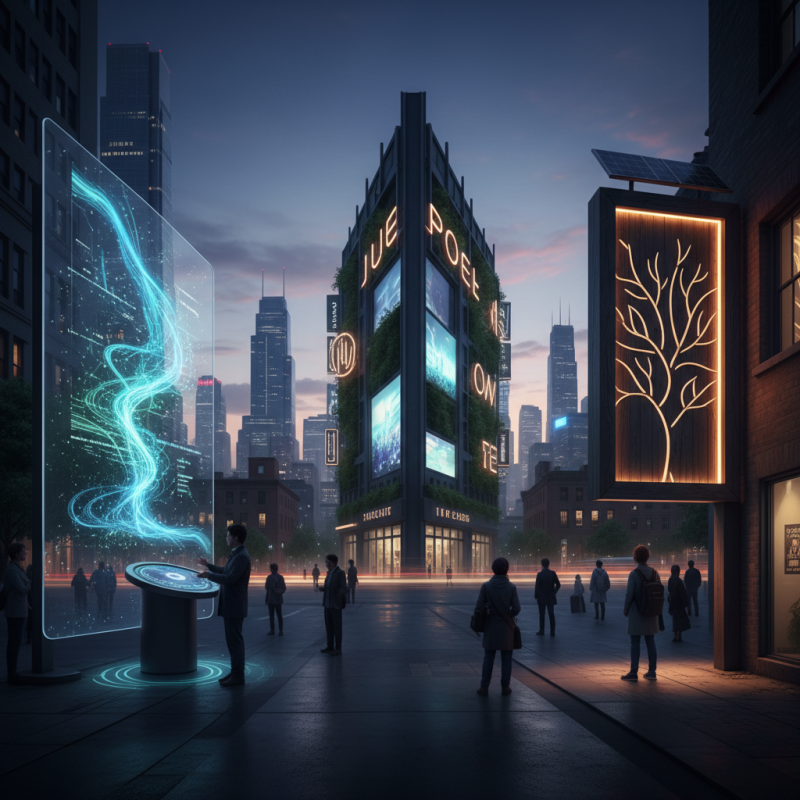
One notable trend is the increasing use of digital signage. Businesses are integrating dynamic content to capture attention. Interactive signs allow for real-time updates, enhancing customer experience. Another important shift is sustainability. Eco-friendly materials and energy-efficient lighting are becoming standard. These practices not only appeal to environmentally conscious consumers but also reflect corporate responsibility.
However, navigating these changes can be challenging. Many businesses struggle with balancing innovation and tradition. As companies adopt new technologies, some signs are often overlooked. Finding the right balance is crucial. The future of Business Sign strategies hinges on creativity, sustainability, and adaptability. As we embrace these trends, reflection on past practices may lead to more effective solutions.
Emerging Technologies Influencing Business Signage Trends in 2026
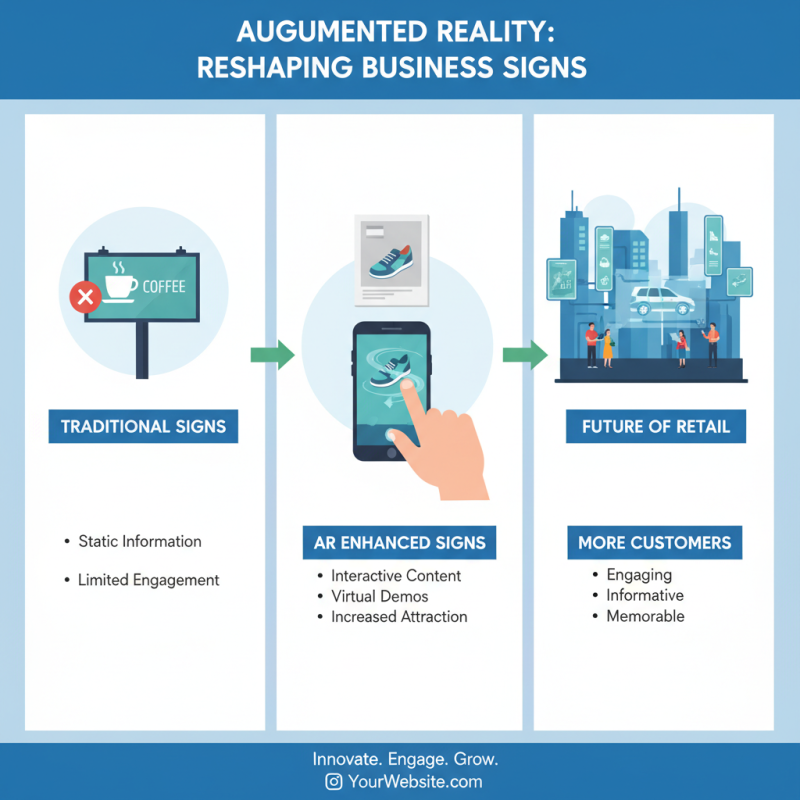
In 2026, the landscape of business signage will be shaped by emerging technologies. Companies are turning to augmented reality (AR) to create engaging customer experiences. Imagine scanning a sign with your smartphone to get interactive content. This approach not only attracts attention but also allows businesses to convey more information quickly.
Digital signage will also play a crucial role in this evolution. With advancements in LED technology, displays will be brighter and more energy-efficient. They can change dynamically, reflecting real-time data or promotions. Businesses that adopt this technology will stand out in a cluttered visual environment. However, it requires careful planning and a solid understanding of target audiences.
Moreover, artificial intelligence (AI) will influence how signs are created and personalized. AI can analyze consumer behavior and tailor messages accordingly. While this offers significant benefits, it raises questions about privacy and data usage. Striking the right balance between personalization and privacy will be key. These rapidly evolving technologies promise to transform business signage, but challenges remain.
Sustainable Materials and Eco-Friendly Practices in Sign Production
In the evolving landscape of business signage, sustainability is becoming paramount. Reports indicate that over 70% of consumers prefer brands that prioritize eco-friendly practices. This trend is likely to shape sign production more than ever before. Sustainable materials such as recycled plastic, bamboo, and reclaimed wood are gaining traction. These materials reduce waste and decrease the carbon footprint associated with production.
The integration of eco-friendly practices also extends to manufacturing processes. For instance, using water-based inks instead of solvent-based ones can significantly lower harmful emissions. Moreover, many companies are now adopting energy-efficient technologies in their production facilities. A significant 65% of industry leaders believe that adopting sustainable practices can enhance their market position. However, challenges remain. Sourcing sustainable materials can be complex and more costly. Not all suppliers meet strict environmental standards, causing potential inconsistencies in quality.
Additionally, the demand for durable signage that minimizes replacement frequency aligns with sustainable principles. This approach not only reduces waste but also increases longevity. Yet, businesses must navigate the initial investment in sustainable practices. Overall, the future of business signage is undeniably leaning towards a greener approach, marking a critical shift in industry norms.
Personalization and Customization Trends in Business Signage
In the evolving landscape of business signage, personalization and customization are taking center stage. According to a report by the Sign Research Foundation, nearly 76% of consumers favor businesses that offer tailored sign experiences. This trend highlights the importance of catering to individual customer preferences. Personalization not only attracts attention but also fosters deeper connections with audiences.
Tips: Consider using data and analytics to understand customer behavior. This can guide your signage strategies effectively.
Customization extends beyond just names on signs. Businesses can leverage unique design elements that reflect their brand's identity. A study from the International Sign Association reveals that 85% of consumers recognize and remember customized signs more than generic options. Effective signage tells a story, creating a lasting impression. However, many businesses struggle with the implementation of effective customization strategies.
Tips: Regularly assess your brand message. Ensure that every sign aligns with your overall brand identity.
Staying ahead of the competition is vital. Engaging in frequent testing can reveal how personalization impacts sales and customer satisfaction. Some brands find it challenging to balance personalization with their operational efficiency. Continuous reflection on these practices can lead to meaningful improvements in signage effectiveness.
2026 Top Business Sign Trends to Watch for in the Future
| Trend |
Description |
Impact on Business |
Examples |
| Personalized Customer Experiences |
Using data analytics to provide targeted signage based on customer preferences. |
Increases customer engagement and satisfaction. |
Dynamic digital signage that changes based on customer demographics. |
| Sustainability in Signage |
Utilizing eco-friendly materials and production processes for signs. |
Enhances brand reputation and attracts environmentally conscious consumers. |
Signs made from recycled materials or biodegradable substances. |
| Interactive Signage |
Signs that encourage customer interaction, such as touch screens or QR codes. |
Generates data and enhances customer involvement. |
Touchscreen kiosks for product information and promotions. |
| Augmented Reality (AR) Integration |
Using AR technology to enhance physical signage with digital information. |
Provides a unique and engaging customer experience. |
AR apps that show additional product information when viewed through a smartphone. |
The Role of Digital Signage in Enhancing Customer Experience
Digital signage is transforming customer experiences. A recent study shows that 73% of consumers make purchasing decisions influenced by digital signs. Brands that embrace this technology create a stronger connection with their audience. Digital displays deliver engaging content and dynamic information that captures attention.
Tips: Use eye-catching visuals. Ensure your message is clear and concise. Update content regularly to keep it fresh.
Moreover, businesses embracing digital signage report a 32% increase in sales. This can be attributed to enhanced customer engagement and effective promotions. Yet, reliance on this technology raises concerns. Not all consumers appreciate digital displays, and some may find them overwhelming. Striking a balance is crucial.
Consider the placement and timing of your signs. Monitor customer responses to optimize effectiveness. Understand that not every digital strategy will resonate. Tailor your approach based on insights and feedback.



 Inquiry
 Email
Email WhatsApp