2025 Top 5 Marquee Sign Trends You Need to Know
As we look ahead to 2025, the Marquee Sign industry is poised for significant evolution, driven by technological advancements and changing consumer preferences. According to a recent report by the Sign Research Foundation, the demand for Marquee Signs is projected to grow by 15% in the next five years as businesses increasingly recognize the importance of visual branding.
Expert in the field, Dr. Laura Jennings, notes, "Marquee Signs are not just advertising tools; they are vital extensions of a brand's identity that capture the essence of a business and communicate its message effectively."
In this ever-changing landscape, staying informed about the latest trends in Marquee Sign design and functionality is crucial for business owners and marketers alike. From the integration of LED technology to the rise of interactive displays, these trends reflect a broader shift towards engaging and dynamic customer experiences.
It is imperative for businesses to adapt to these changes, as the right Marquee Sign can significantly enhance visibility and drive customer traffic. As we explore the top five marquee sign trends you need to know, it becomes clear that innovation will remain at the forefront of this vital advertising medium in the years to come.
Emerging Technologies Transforming Marquee Sign Design in 2025
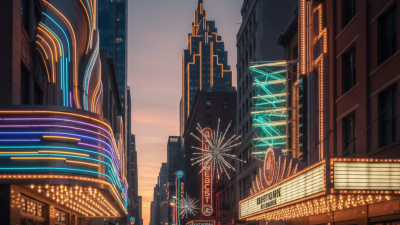
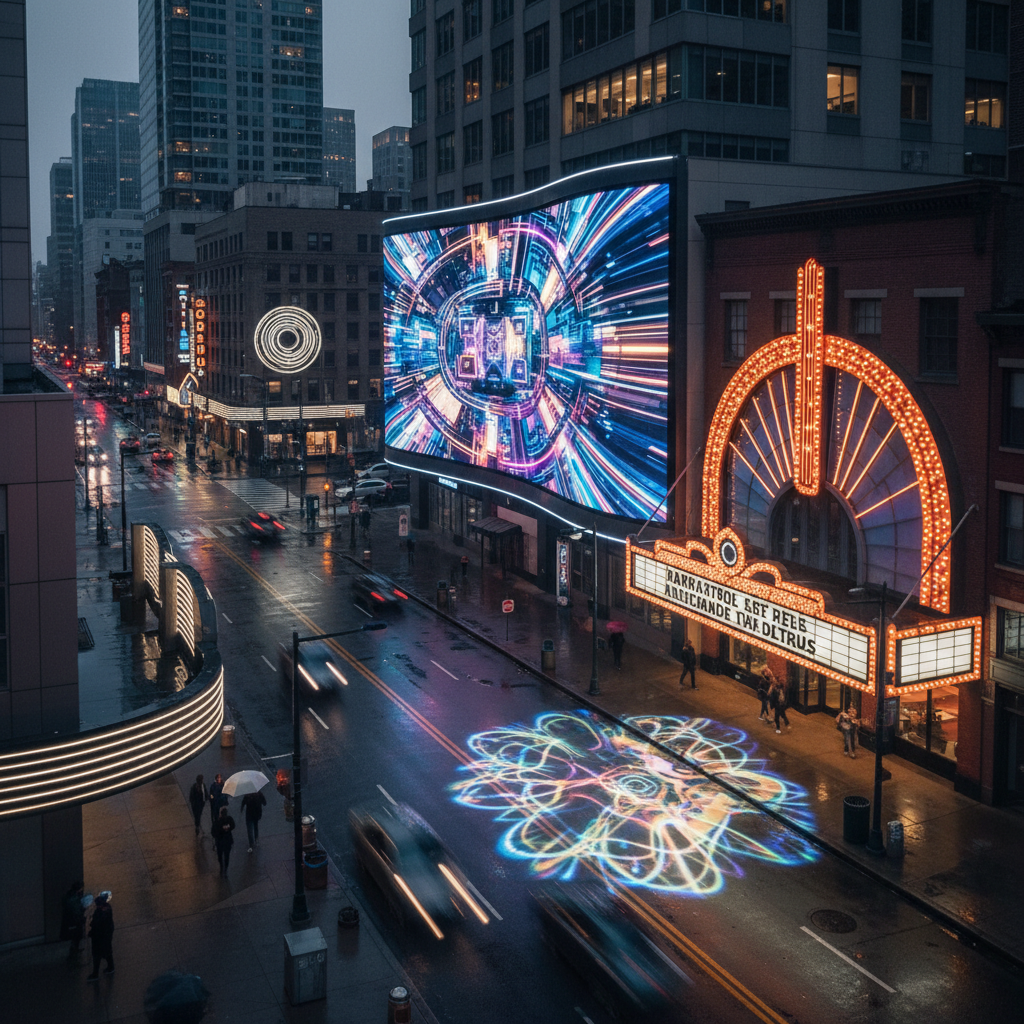
In 2025, marquee sign design is set to undergo a revolutionary transformation, driven by emerging technologies that enhance both functionality and aesthetics. One of the most significant advancements is the integration of augmented reality (AR) capabilities. This allows businesses to create interactive experiences that engage customers in new, immersive ways. Imagine walking past a marquee sign that not only displays vibrant visuals but also encourages passersby to scan a code for exclusive offers or to experience a virtual tour of a venue.
Another impactful trend is the incorporation of smart technology into marquee signs. With the rise of Internet of Things (IoT), these signs can now analyze foot traffic patterns and demographic data to optimize content in real-time. This capability ensures that the most relevant messages reach the right audience at the right time, enhancing marketing effectiveness. Furthermore, energy-efficient LED displays are becoming the norm, offering brighter visuals while significantly reducing energy consumption—aligning with the growing demand for sustainable practices in design. The fusion of these technologies not only elevates the visual appeal of marquee signs but also transforms how businesses connect with their audiences.
2025 Top 5 Marquee Sign Trends You Need to Know
| Trend |
Description |
Emerging Technology |
Impact on Design |
| Interactive Displays |
Marquee signs featuring touch screens that interact with users. |
Touch Technology |
Increased engagement and a personalized experience for viewers. |
| Augmented Reality |
Integration of AR technology to provide immersive experiences. |
AR Glasses and Apps |
Enhancement of physical signage with digital overlays. |
| Sustainable Materials |
Use of eco-friendly and recyclable materials in sign production. |
Biodegradable Plastics and Composites |
Reduces the environmental footprint of signage solutions. |
| Dynamic Content Management |
Real-time updates to display content remotely. |
Cloud Computing |
Allows for timely and relevant updates to advertisements. |
| LED Technology Advancements |
Enhanced LED brightness and efficiency, reducing power consumption. |
Next-Gen LED Chips |
Longer lifespan and lower energy costs for marquee signs. |
Sustainable Materials: The Eco-Friendly Shift in Marquee Signage
As the demand for distinctive and impactful marquee signage continues to rise, the industry is witnessing a significant shift towards sustainable materials. According to a report by Smithers Pira, the market for sustainable signage is projected to grow by 10% annually through 2025. This trend is driven by increasing consumer awareness and stringent regulations aimed at reducing environmental impact. Signage manufacturers are responding by incorporating eco-friendly materials such as bamboo, recycled metals, and water-based inks, which not only mitigate the carbon footprint but also appeal to environmentally conscious clientele.
Moreover, businesses are recognizing the dual benefits of adopting sustainable practices in their signage solutions. A 2022 survey by the Green Building Council revealed that over 70% of consumers prefer brands that demonstrate a commitment to sustainability. This consumer preference is prompting companies to adopt sustainable marquee signs, leading to a stronger brand identity and increased customer loyalty. By investing in eco-friendly signage, businesses not only reduce waste and environmental impact, but they also position themselves as leaders in their industry, aligning with the values of an increasingly eco-aware market.
2025 Top 5 Marquee Sign Trends You Need to Know
Dynamic Lighting Trends: How LED Innovations Are Shaping Visibility
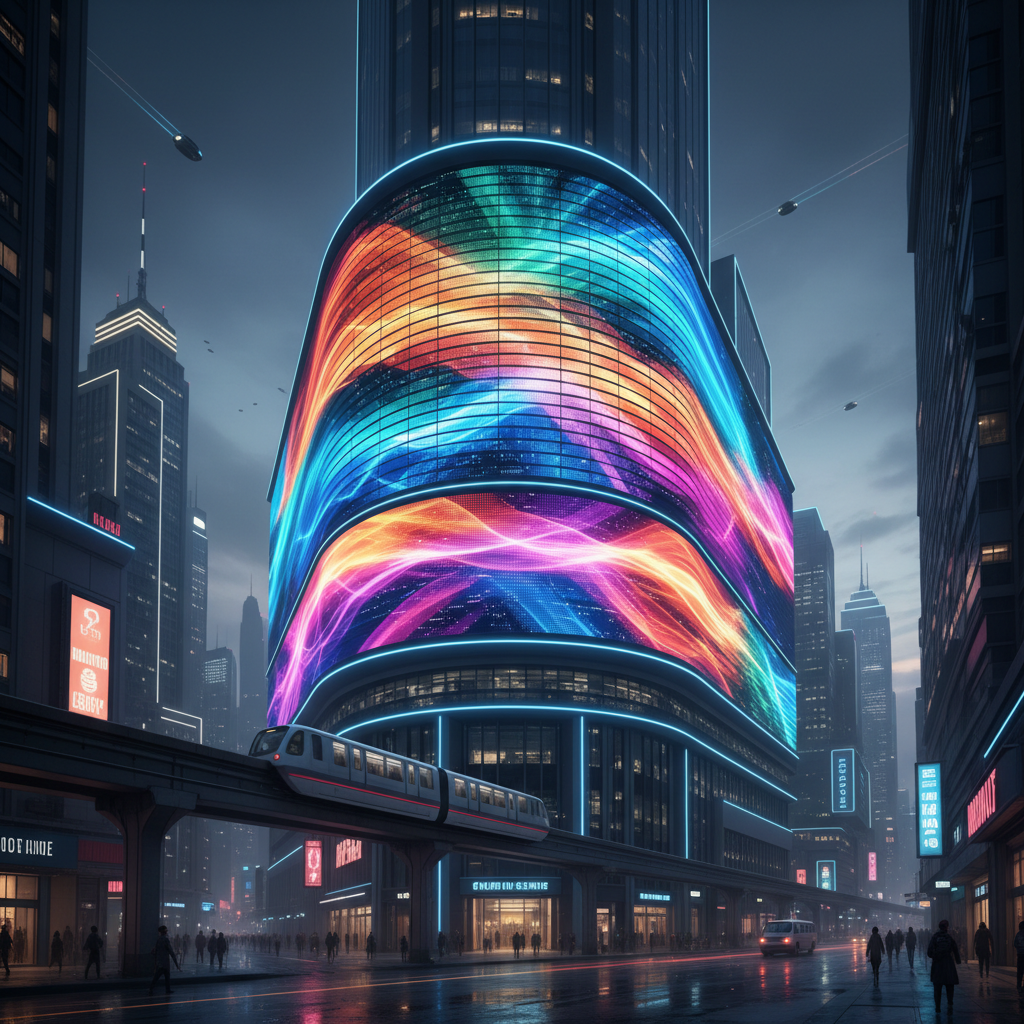
As we step into 2025, the landscape of marquee signs is evolving, especially with the advent of dynamic lighting trends. LED innovations are at the forefront, transforming how businesses capture attention and enhance visibility. The vibrancy and versatility of LED technology allow for customizable color palettes and dynamic effects that can adapt to different events and promotions. This makes marquee signage not just functional, but a lively part of a brand's identity.
Tip: When considering an LED marquee sign, focus on brightness and color options. A well-lit sign with rich colors can significantly increase visibility, especially during evening hours.
Moreover, these advancements are not only about aesthetics; they also incorporate energy efficiency. Modern LEDs consume less power while delivering superior brightness, helping businesses save on operational costs. Integrating intelligent control systems further enhances their functionality, allowing for real-time updates and remote management.
Tip: Regularly update your sign's content and lighting effects to keep it fresh and engaging. Seasonal themes or limited-time offers can create a sense of urgency and draw in more customers.
Interactive Elements: Engaging Audiences with Smart Marquee Signs
In the rapidly evolving world of digital signage, interactive elements are becoming essential for engaging audiences. Smart marquee signs equipped with touchscreen technology and responsive design are particularly gaining traction. According to a recent industry report, the global digital signage market is expected to reach $31.71 billion by 2026, with interactive signage playing a significant role in this growth. Businesses are increasingly leveraging these smart signs to captivate customers and enhance their overall experience.
Interactive marquee signs allow for real-time communication and personalized content delivery, significantly improving audience engagement. Research indicates that interactive content can increase viewer interaction rates by up to 70%. This shift towards interactivity not only captures attention but also encourages longer dwell times, allowing businesses to convey more information effectively. As companies strive to stand out in a competitive landscape, incorporating smart marquee signs with engaging features will be crucial for creating memorable customer interactions and driving sales.
Personalization and Customization: Catering to Individual Business Needs
As businesses increasingly recognize the importance of
individualized branding,
personalization and customization in marquee signage are becoming essential trends in
2025. According to a recent survey by the Sign Research Foundation,
70% of consumers are more likely to engage with a brand that offers personalized experiences.
This data underscores the shift toward tailored signage solutions that cater to specific business needs, allowing companies to connect
more deeply with their target audience.
Incorporating customizable elements into marquee signs not only enhances visual appeal but also drives customer engagement. A study by MarketsandMarkets found that the digital signage market is projected to reach
$31.71 billion by 2025, with personalized content being a key driver of growth.
Businesses are adopting these customizable solutions to convey messages that resonate on a personal level with customers—whether through variable data printing or tailored digital displays.
This trend signifies a broader movement where marquee signs serve not just as
functional advertisements
but as personalized storytelling devices that reflect brand identity and values.



 Inquiry
 Email
Email WhatsApp