


The Harsh Reality of Marine Environments
Why standard metal signage fails rapidly when subjected to salt spray, coastal winds, and high humidity.
When planning architectural installations, outdoor branding, or wayfinding systems along coastlines, selecting the right raw material is the single most critical decision you will make. Coastal regions present a highly destructive combination of factors: airborne salt spray (sodium chloride), constant atmospheric humidity, high UV exposure, and abrasive wind-borne sand. Under these conditions, standard metals degrade within months, leading to unsightly brown staining, structural weakening, and eventually complete failure.
For high-end commercial projects, coastal resorts, and municipal infrastructure, the visual appearance of your signage directly reflects your brand's quality. Deploying substandard metal signs leads to high maintenance overheads and early replacement costs. To combat this, designers and engineers turn to specialized stainless steel signage. However, "stainless" is not a singular specification. The choice typically comes down to two primary grades: Grade 304 and Grade 316. Understanding the metallurgical differences between these alloys is paramount to specifying durable coastal signage solutions.
304 vs. 316 Metallurgy: The Science of Corrosion Resistance
A deep chemical comparison explaining how different alloy compositions react to chloride attack.
To understand why Grade 316 outperforms Grade 304, we must look at their chemical compositions. Both materials belong to the austenitic family of stainless steels, containing high levels of chromium and nickel. The key differentiator is the inclusion of a rare element in Grade 316: Molybdenum.
Grade 304 Stainless Steel
Grade 304 contains approximately 18% Chromium and 8% Nickel (often referred to as 18/8). Chromium reacts with atmospheric oxygen to form a microscopic, self-healing chromium oxide passive layer on the metal surface. While this layer is highly effective against fresh water and typical urban atmospheric conditions, it is vulnerable to chloride ions. Chloride penetrates the passive layer, initiating localized pitting corrosion, often visible as "tea staining."
Grade 316 Stainless Steel
Grade 316 contains approximately 16% Chromium, 10% Nickel, and crucially, 2% to 3% Molybdenum. The addition of molybdenum radically alters the material's resistance to pitting and crevice corrosion. Molybdenum reinforces the passive chromium oxide film, making it highly resilient to acidic environments and high-salinity chloride attacks. This chemical composition makes 316 the standard grade for marine and coastal environments.
The standard metric used by metallurgists to compare pitting resistance is the Pitting Resistance Equivalent Number (PREN), calculated using the formula: PREN = %Cr + (3.3 x %Mo) + (16 x %N)
Grade 304 typically yields a PREN of around 18 to 20, whereas Grade 316 achieves a PREN of 23 to 25. This mathematical difference represents a exponential increase in actual field performance when exposed to marine salt spray.
Salt Spray & Corrosion Performance Comparison
Data-driven breakdown of how 304 and 316 grades hold up under rigorous laboratory and real-world testing.
| Performance Metric | Grade 304 Stainless Steel | Grade 316 Stainless Steel | Coastal Recommendation |
|---|---|---|---|
| Chemical Composition (Key Elements) | 18% Cr, 8% Ni | 16% Cr, 10% Ni, 2-3% Mo | Grade 316 (Contains Molybdenum) |
| Pitting Resistance (PREN) | ~18 - 20 | ~23 - 25 | Grade 316 (Higher PREN is superior) |
| ASTM B117 Salt Spray Test (Red Rust) | Signs of pitting after 120 - 240 hours | No pitting after 1,000+ hours | Grade 316 (Required for longevity) |
| Atmospheric Limits | > 5 miles (8 km) from saltwater shoreline | Direct shoreline exposure / marine environments | Grade 316 for all coastal zones |
| Tea Staining Resistance | Low (High risk of cosmetic staining) | High (Remains bright and clean) | Grade 316 prevents ugly brown streaks |
| Initial Cost Ratio | Baseline (1.0) | ~1.2x to 1.35x of 304 raw cost | 316 offers lower lifetime cost of ownership |
Under the standardized ASTM B117 Salt Spray Test, which simulates accelerated marine exposure, Grade 304 begins to show micro-pitting and localized surface oxidation (tea staining) relatively early. In contrast, Grade 316 can withstand thousands of hours of continuous salt-fog exposure without showing structural degradation. This is why 316 is classified as marine-grade stainless steel and is the benchmark for durable anti-rust outdoor signs.
Why Coastal Resorts & Marina Commercial Streets Must Choose 316
The economic and aesthetic arguments for specifying Grade 316 in high-exposure public and commercial environments.
For coastal resorts, luxury beachfront hotels, and marina commercial districts, signage is not merely functional; it is an integral part of the guest experience and brand identity. Here is why specifying Grade 316 is non-negotiable in these environments:
Preventing Cosmetic Degradation
In high-salinity zones, salt particles crystallize on metal surfaces. When humidity rises, these crystals dissolve into a highly concentrated chloride solution. Grade 304 signage quickly develops brown "tea staining" streaks. For a five-star resort or high-end retail street, rusted signage degrades the visual appeal of the property, signaling neglect to visitors.
Long-Term Financial ROI
While Grade 304 signage has a lower initial procurement cost, it requires constant maintenance, polishing, and eventual replacement. Grade 316 signage, combined with professional surface finishes, offers a maintenance-free lifespan that is three to five times longer. The initial premium paid for 316 is recouped within the first two years of installation by eliminating replacement cycles.
Structural Integrity & Safety
Large exterior architectural signs, pylon structures, and overhead wayfinding displays are subjected to heavy wind loads. Pitting and crevice corrosion do not just ruin the surface appearance; they eat into welds, internal brackets, and mounting hardware. Grade 316 ensures that the internal structural integrity of the sign remains sound, mitigating the risk of structural failure.
How SCKX Sign Prevents Metal Rust Through Advanced Surface Treatments
Our proprietary finishing techniques elevate the natural corrosion resistance of stainless steel to maximum levels.
Selecting Grade 316 is the first step, but how the metal is processed, welded, and finished is equally critical. At SCKX Sign (Kexian), we employ a series of advanced surface treatments designed to eliminate microscopic vulnerabilities and create an impenetrable barrier against coastal atmospheric attacks.
Chemical Passivation (ASTM A967 Standard)
During cutting, bending, and welding, free iron particles from tooling can become embedded in the stainless steel surface. These iron particles act as initiation sites for rust. SCKX Sign subjects all fabricated signage to a rigorous chemical passivation process using specialized acid baths. This process dissolves surface iron and contaminants, promoting the rapid formation of a dense, uniform, and highly protective chromium oxide passive layer.
Precision Electro-Polishing
Physical brushing or polishing can leave microscopic crevices where salt crystals and moisture accumulate. Our electro-polishing treatment uses an electrochemical process to remove a microscopic layer of metal from the surface. This flattens the surface topography, eliminating micro-crevices and leaving a mirror-like or ultra-smooth satin finish. Without crevices, chloride ions cannot settle, drastically improving the sign's self-cleaning properties during rainfall.
PVD (Physical Vapor Deposition) Color Coating
For projects requiring colored finishes (gold, bronze, black, etc.), traditional wet painting or plating can peel or fade under intense coastal UV light. SCKX Sign utilizes PVD coating in a high-vacuum chamber. This process deposits thin ceramic layers at a molecular level, bonding directly to the stainless steel. The resulting finish is extremely hard, UV-resistant, and adds an extra layer of protection against physical abrasion and salt spray.
Nano-Ceramic Anti-Fingerprint Coating
As a final sealing step, we apply a hydrophobic nano-ceramic clear coating. This invisible shield repels water, salt spray, and oils. Saltwater droplets bead up and roll off the surface, carrying dust and contaminants with them. It also prevents fingerprint smudges on low-level signage, keeping your branding pristine with minimal maintenance.
Our Enterprise at a Glance
Decades of manufacturing excellence, global reach, and rigorous quality control standards.


Why Choose SCKX Sign (Kexian)
Your trusted manufacturing partner for custom architectural signage and anti-rust outdoor signs.


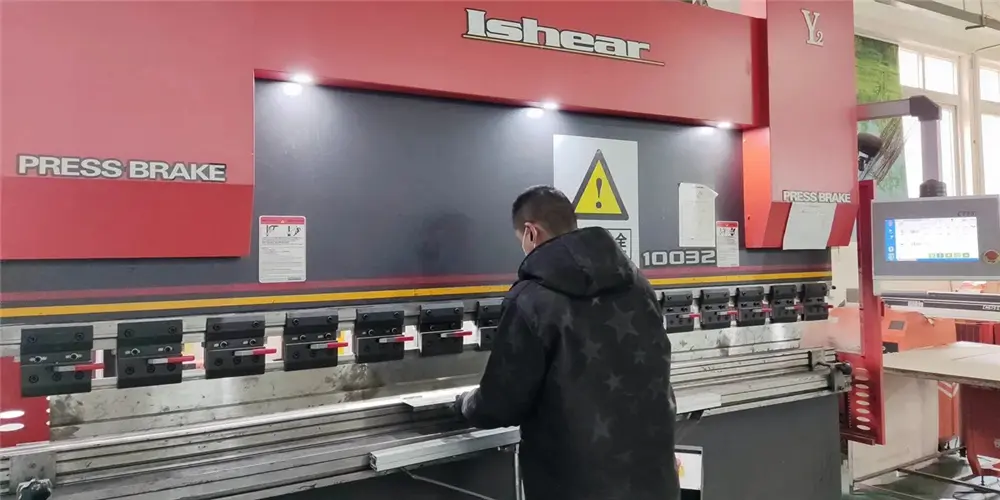
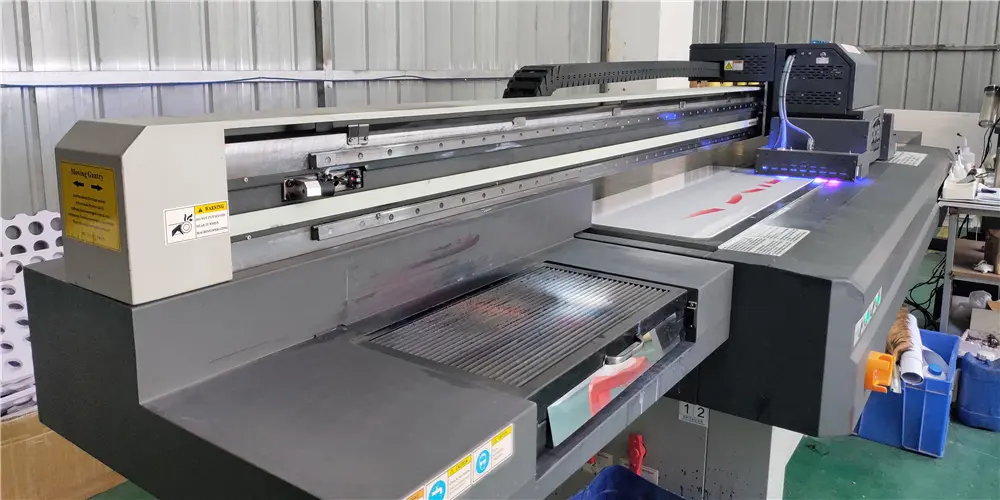
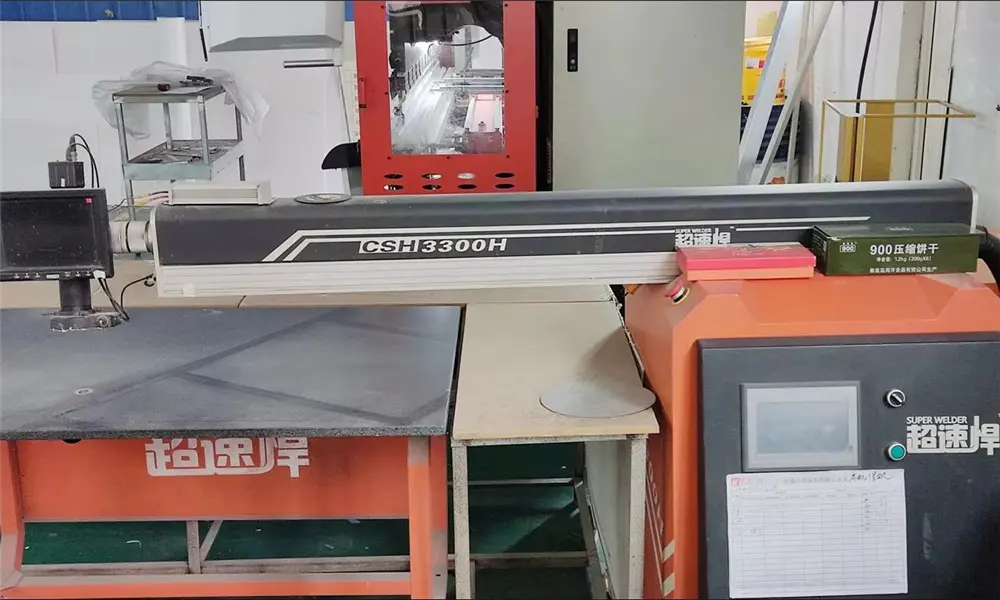
Kexian Equipment
State-of-the-art machinery enabling high-precision metal fabrication and custom signage production.




Qualifications & Honors
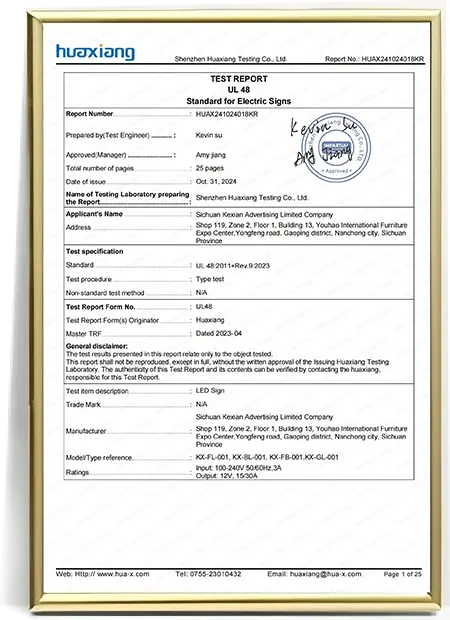
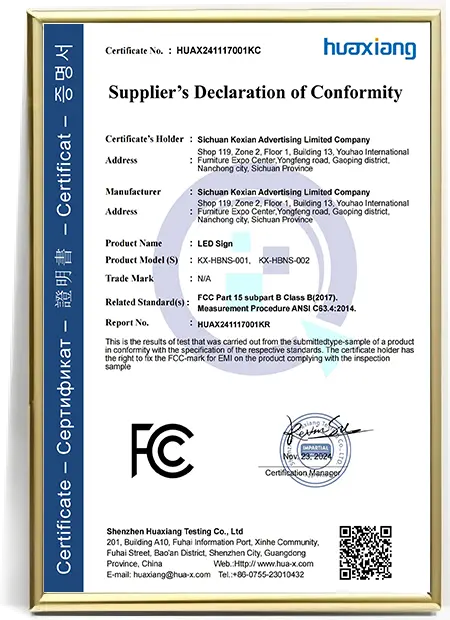
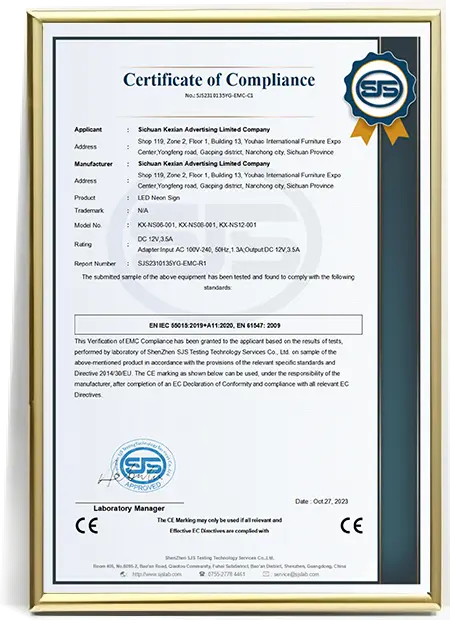
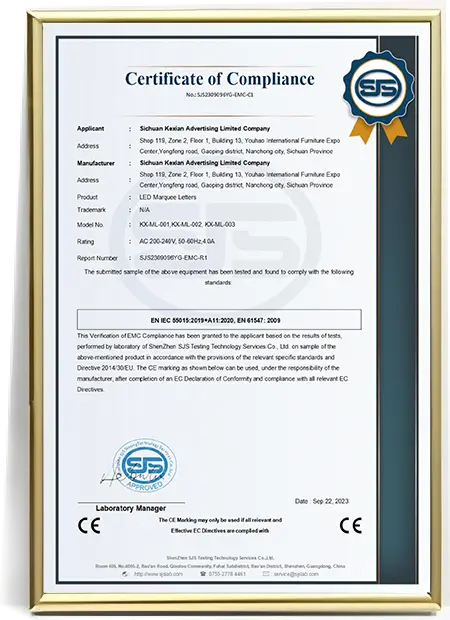
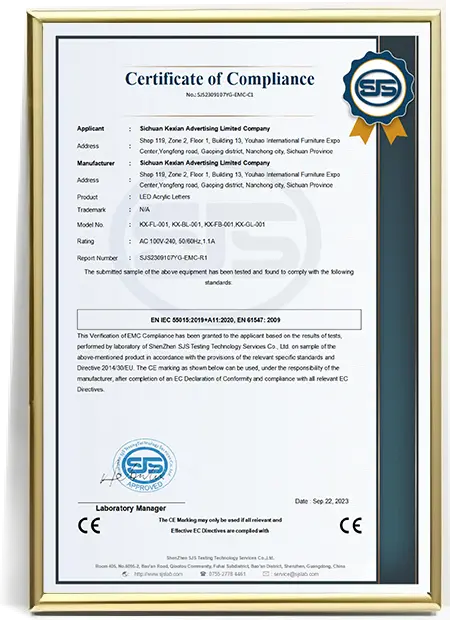
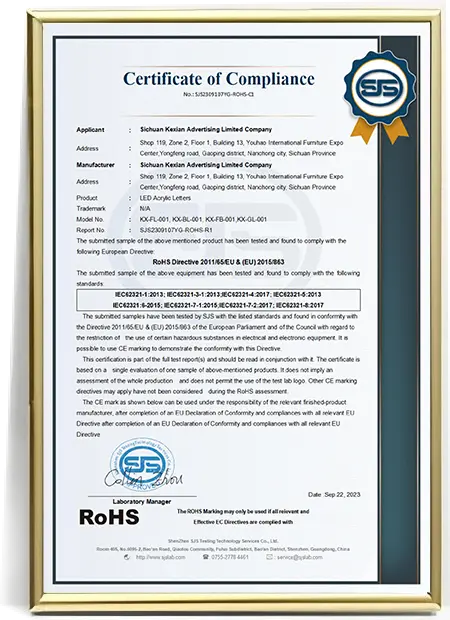
Sticking to the principle of excellence, Kexian with various quality certificates like CE, RoHs, FCC and UL, all items are 100% tested before shipping.